
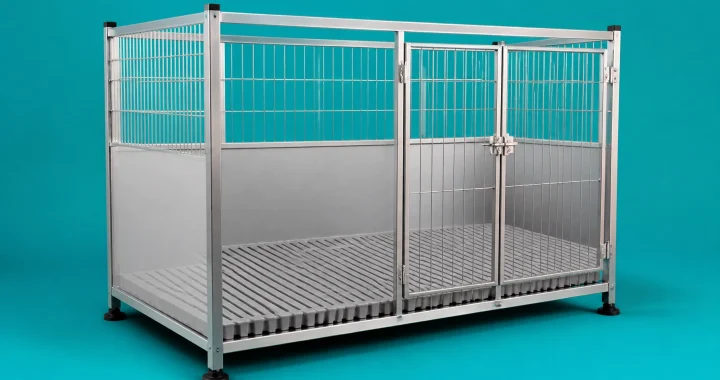
Clean, dry, easy-to-sanitize flooring plays a major role in the daily operation of veterinary clinics, shelters, and rescue facilities. When dogs spend hours or days in kennels, the surface beneath them affects hygiene, comfort, odor control, cleaning time, and even recovery. Choosing the right flooring is not just a maintenance decision. It is part of creating a healthier environment for animals and a more manageable workflow for staff.
Why sanitary flooring matters
In busy care settings, kennel floors are exposed to repeated moisture, waste, cleaning chemicals, and heavy traffic. If the flooring holds water, absorbs waste, or stays damp between cleanings, it can contribute to lingering odors, harder sanitation routines, and an overall less comfortable space for dogs.
For veterinary teams and shelter staff, sanitary flooring helps support:
- faster daily cleanup
- better drainage after washing
- reduced odor buildup
- cleaner, drier resting areas
- improved comfort for dogs during short- and long-term stays
A floor that stays cleaner more easily can make a noticeable difference in both animal care and staff efficiency.
The problem with traditional kennel surfaces
Concrete is common because it is durable, but it often creates challenges in animal environments. It can feel hard and cold, and if it is not sealed and maintained properly, it may hold moisture and contribute to odor problems over time. Wood can absorb waste and cleaning solutions. Dirt and gravel runs may drain unpredictably and can be difficult to disinfect thoroughly.
These issues matter in veterinary and shelter settings, where sanitation standards are high and turnover may be constant. Flooring that is easy to wash but hard to truly sanitize can create extra work every single day.

What to look for in sanitary dog flooring
The best flooring for clinics, shelters, and kennel spaces should do more than simply cover the ground. It should actively support cleaner housing conditions and safer footing.
Key features to look for include:
- Non-porous material: Helps prevent liquids and waste from soaking into the surface.
- Effective drainage: Allows urine and rinse water to move away from the dog instead of pooling.
- Air circulation underneath: Helps the area dry more quickly after cleaning.
- Slip-resistant texture: Supports steadier footing for dogs of different ages and mobility levels.
- Comfortable flat surface: Reduces stress on paws and joints compared with uneven or abrasive materials.
- Chemical resistance: Holds up to repeated use of disinfectants and routine washdowns.
- Modular sizing: Makes it easier to fit different kennel layouts and replace sections if needed.
When these features are combined, the result is a kennel area that is easier to maintain and more comfortable for the animals housed there.
How raised flooring improves sanitation
Raised kennel flooring is especially helpful in environments where washdown and drainage are part of the daily routine. By lifting the dog slightly above the base surface, raised flooring allows moisture and waste to pass below the walking surface instead of remaining in contact with the animal.
That means dogs are more likely to stay dry after accidents, rinsing, or regular cleaning. It also means staff can flush underneath the flooring, helping remove buildup that would otherwise remain trapped on the surface.
This type of design can be valuable in:
- veterinary recovery areas
- boarding and holding kennels
- animal shelter runs
- breeder kennel setups
- isolation or intake spaces where frequent cleaning is required

Why high-density plastic resin is a strong fit
High-density plastic resin flooring is a popular option for sanitary kennel applications because it combines durability with ease of maintenance. A non-absorbent resin surface does not hold moisture the way porous materials can, which helps keep sanitation focused on the surface where disinfectants can do their job effectively.
The Kennel Deck system is designed with this purpose in mind. Its raised, slatted construction helps liquids drain away while allowing air to circulate underneath. The flat, non-skid top surface gives dogs a steadier, more comfortable place to stand or rest than many hard or uneven alternatives.
For facilities that clean often, this combination can save time while supporting a more sanitary setup.
Cleaning and disinfection benefits
One of the biggest advantages of sanitary kennel flooring is the ability to clean thoroughly without fighting the floor itself. In practical terms, that means less scrubbing of soaked-in residue and fewer areas where waste can linger unnoticed.
A typical cleaning routine with raised resin flooring may include:
- removing solid waste from the surface
- rinsing the flooring and the area beneath it
- applying an appropriate disinfectant
- allowing the surface to dry with the help of airflow underneath
Because the material is built to handle regular exposure to cleaning agents, it is well suited for facilities that rely on repeat disinfection throughout the day.

Comfort matters too
Sanitation is the main priority, but comfort should not be overlooked. Dogs in shelters and veterinary settings may be stressed, recovering, aging, or spending extended periods in confinement. The surface they stand and lie on can affect how clean and secure they feel.
Raised resin flooring helps by keeping dogs off cold, damp ground. A flat, supportive surface can also be easier on paws than wire or rougher materials. For senior dogs, post-procedure patients, and dogs who are already anxious, those small improvements can contribute to a better overall kennel experience.
A practical option for many facility types
Sanitary flooring is not one-size-fits-all, so flexibility matters. Modular flooring panels can be adapted for a range of kennel sizes and layouts, from single recovery cages to large shelter runs. Interlocking sections also make installation and reconfiguration more straightforward when spaces need to change.
This makes sanitary resin flooring a practical option for:
- veterinary clinics
- animal shelters
- rescue organizations
- boarding kennels
- breeding facilities
Whether the goal is improving daily cleanup, reducing damp resting surfaces, or upgrading an older kennel area, modular flooring can offer a manageable path forward.

Final thoughts
For vets and shelters, sanitary dog flooring is more than a convenience. It is part of maintaining a cleaner, healthier, and more efficient care environment. Floors that drain well, resist absorption, and support regular disinfection can help reduce odor, simplify cleaning, and keep dogs more comfortable day to day.
The Kennel Deck system is designed to meet those needs with high-density plastic resin construction, raised airflow, and a non-skid surface that helps keep dogs high and dry. For facilities looking to improve kennel hygiene without making daily care more complicated, it is a solution worth considering.