Safe, Clean, and Easy: 5 Dog Kennel Floor Ideas You Haven’t Tried

Picking the right kennel floor can make a huge difference in how easy your space is to clean and how comfortable it feels for your dog. If you're tired of the same old suggestions, here are five dog kennel floor ideas that deserve a closer look.

1. Raised Plastic Decking

Samoyed dog on a grey Kennel Deck system in an outdoor run

If you haven't looked into raised plastic flooring yet, this is one of the smartest options out there. Instead of having your dog stand directly on concrete, dirt, or grass, raised decking lifts them up onto a flat surface while letting moisture and mess fall through.

That means better drainage, better airflow, and less time spent dealing with puddles or muddy spots. It's especially helpful in outdoor runs, breeder setups, and shelter environments where staying clean matters every single day.

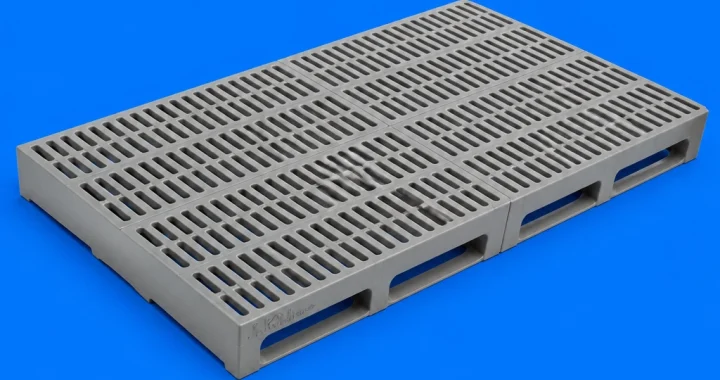
A good example is Kennel Deck, which uses high-density plastic resin in easy-to-place 2' x 4' sections. The surface is flat, non-skid, and designed to help keep dogs high and dry.

2. Rubber Pavers Instead of One-Piece Mats

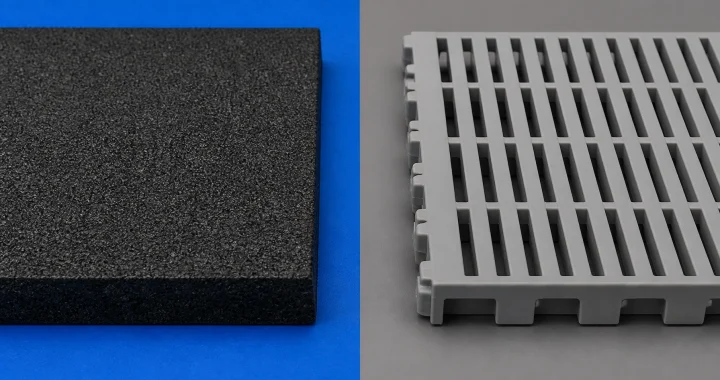
Black rubber interlocking kennel mat isolated against a flat orange background

A lot of people try heavy rubber stall mats and stop there. But rubber pavers or smaller modular rubber tiles can be a more flexible idea, especially if you want a little cushion without wrestling with one giant mat.

They can be easier to move, easier to replace one section at a time, and often give you more control over the layout. If you go this route, it's worth looking for options that are designed to drain well and hold up to repeated cleaning.

The key here is to avoid anything that traps moisture underneath. Rubber can be comfortable, but it works best when the setup is planned with drainage and cleanup in mind.

3. Sealed Pea Gravel with Border Framing

Pea gravel usually gets dismissed because it can shift around, but some dog owners are using it in a more controlled way. When it's installed inside a framed perimeter and paired with proper grading underneath, it can become a budget-friendly option for outdoor dog runs.

The big benefit is drainage. Water moves through it quickly, and that can help reduce standing mess after rain. It also has a softer feel underfoot than plain concrete.

That said, it works better for some setups than others. It usually needs occasional leveling, and it isn't the easiest surface to sanitize fully. But for lightly used outdoor spaces, it can still be a creative option many people overlook.

4. Artificial Turf Over a Draining Base

Square of green artificial kennel turf isolated against a flat purple background

Artificial turf can be a good fit for people who want a cleaner look than dirt and a softer feel than concrete. The trick is not just the turf itself, but what goes underneath it.

When artificial turf is installed over a well-draining base, it can work nicely in exercise pens or outdoor runs where appearance matters as much as function. It can make the space feel more finished and can be easier on paws than rough surfaces.

You'll still want to stay on top of cleaning, especially in warm weather, but as a kennel floor idea, it's definitely one many people don't think through all the way before ruling it out.

5. Concrete Base with a Raised Floor Layer

Industrial grey concrete slab isolated against a flat yellow background

Here's an idea that often works better than choosing just one material: use concrete as your base, then add a raised flooring layer on top. Concrete alone can be hard, hot, and not very forgiving, but it becomes much more practical when it serves as the foundation instead of the actual dog surface.

This approach gives you the durability of concrete with the comfort and drainage benefits of a better top layer. It also makes wash-down cleaning easier in many kennel designs because the base can support runoff while the raised surface keeps dogs out of the mess.

For a lot of people, this ends up being the sweet spot between long-term durability and day-to-day comfort.

Final Thoughts

If you're planning a new kennel or trying to improve an old one, it helps to think beyond the usual dirt-or-concrete debate. Raised plastic decking, modular rubber pieces, framed gravel, artificial turf, and layered floor systems can all bring something useful to the table.

If your top priorities are cleanliness, comfort, and easy maintenance, Kennel Deck is one of the easiest upgrades to consider. It gives dogs a sanitary, non-slip place to stand while helping you spend less time dealing with wet, messy kennel floors.

Kennel Flooring Drainage Matters: Why Your Dog Is Still Getting Wet

If your dog keeps ending up wet in the kennel, the problem usually is not the weather alone. In many cases, the real issue is that the flooring is not draining water, urine, or wash-down runoff fast enough to get your dog up and out of the moisture.

That matters more than a lot of people realize. A wet kennel floor does not just look messy. It can leave dogs standing or lying on damp surfaces for hours, which can lead to dirty coats, irritated paws, odor buildup, and a space that is much harder to keep clean. If you have ever cleaned a kennel and wondered why it still feels damp afterward, poor drainage is often the reason.

Why Drainage Matters So Much

Good drainage helps keep the surface your dog stands on dry. That is important because dogs do better when they are not in constant contact with moisture. Wet surfaces can soften paw pads, irritate skin, and create conditions where bacteria and mildew are more likely to grow. Over time, that can turn a simple flooring problem into a comfort and hygiene problem.

Drainage also affects how the whole kennel feels day to day. When water has nowhere to go, it sits on the surface or soaks into the material underneath. That means more odor, more scrubbing, and more time waiting for things to dry out. For breeders, shelters, and veterinary settings, that extra moisture can make routine cleaning much less efficient. For pet owners at home, it just means a kennel that never seems fully clean or comfortable.

Why Some Kennel Floors Stay Wet

A lot of traditional kennel flooring options simply are not built to move moisture away quickly.

Concrete is tough, but it can stay damp, especially if it is slightly uneven or if drainage is poor. Dirt and grass can turn muddy fast and hold onto moisture after rain or cleaning. Solid mats may seem comfortable at first, but they can trap water on top or underneath, leaving the area damp longer than expected.

That is why a kennel can still feel wet even after it has been rinsed. The water may be gone from one spot, but it is still lingering on the surface, pooled in low areas, or trapped where air cannot reach it.

Macro close-up photography of the Kennel Deck resin surface highlighting the precision-engineered drainage slots. Water droplets are captured in a state of vertical displacement through the gaps. The image uses high-key studio lighting and is isolated against a brilliant blue monochromatic background to emphasize the industrial texture and functional design.

What Better Drainage Looks Like

Effective kennel drainage is about more than just sloping water away. Ideally, the dog should be standing on a surface that lets moisture pass through quickly instead of collecting underfoot.

That is where Kennel Deck works differently. Each section is made from high-density plastic resin and designed with drainage openings that allow liquids to pass through the surface instead of sitting on top of it. Because the material is non-porous, it does not absorb moisture the way other surfaces can. That helps the kennel dry faster and stay cleaner between washings.

The raised design also helps with airflow beneath the deck. That airflow matters because it helps reduce the damp, trapped-moisture effect that often happens with solid surfaces or mats. The result is a kennel floor that helps keep dogs high and dry instead of leaving them in contact with standing water.

How Dry Flooring Helps Dogs Stay Healthier

Dry footing is not just a convenience. It can make a real difference in your dog's comfort and overall kennel environment.

When dogs spend too much time on wet surfaces, their paws can become irritated. Skin can soften, and damp conditions can make it easier for minor issues to turn into bigger ones. Hard, wet surfaces can also be less comfortable for resting, especially for older dogs or dogs that spend long stretches in a kennel.

A drier surface helps reduce those problems. It also helps keep coats cleaner, cuts down on odor, and creates a more sanitary space overall. Whether you are caring for one dog at home or managing multiple runs in a professional setup, drainage plays a big role in keeping the kennel healthier.

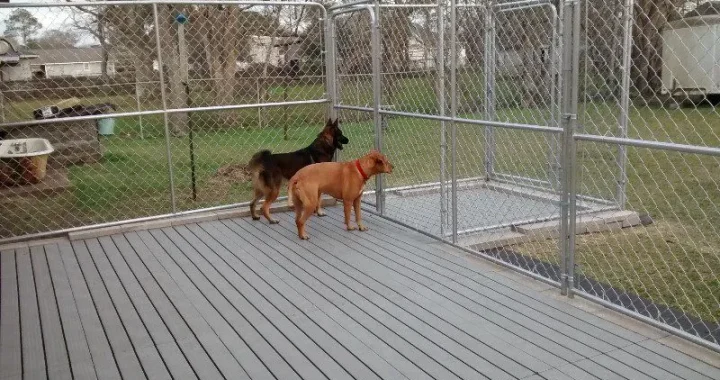
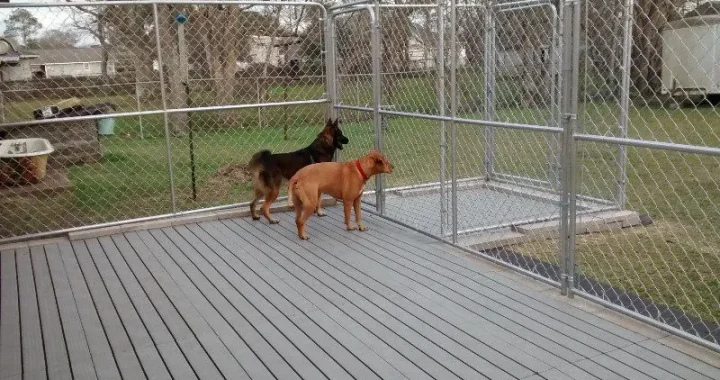
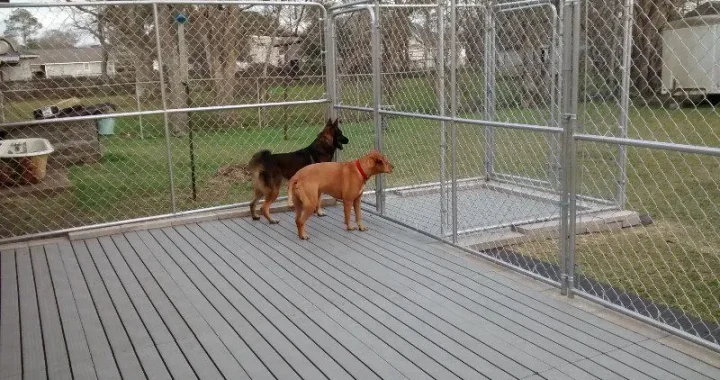
This image features an expansive outdoor kennel run equipped with our gray Kennel Deck flooring system. Two dogs are shown standing comfortably on the non-skid, high-density plastic resin surface. The slotted design of the panels allows for excellent drainage and air circulation, ensuring the dogs stay high and dry.

Cleaning Gets Easier Too

One of the most overlooked benefits of good drainage is how much easier it makes cleanup. When liquids can move through the floor instead of spreading across it, the whole wash-down process becomes simpler.

With Kennel Deck, debris can be removed from the surface, water can be used to flush waste through the drainage slots, and disinfectants can be rinsed away more completely because the resin does not soak them up. The raised, slatted design also helps the surface dry faster after cleaning.

That can save time in busy facilities, but it also makes life easier for homeowners who want a kennel area that is simpler to maintain.

This photo showcases a white Samoyed in an outdoor kennel outfitted with our grey Kennel Deck system. Our high-density plastic resin panels create a comfortable, non-skid surface that promotes better paw health. The integrated drainage slots are visible, designed to keep pets “high and dry” by allowing liquids and debris to pass through.

Kennel Deck vs. Common Kennel Flooring Options

Feature Kennel Deck (Resin) Concrete Dirt / Grass Rubber Mats
Drainage Rate Immediate (Vertical) Slow (Horizontal) Poor After Rain Poor (Surface Pooling)
Moisture Absorption 0% Moderate to High High 0% (but traps underneath)
Cleaning Ease Easy Moderate to Difficult Difficult Moderate
Dry Surface for Dogs Yes Not consistently Rarely Not consistently
Comfort Flat, non-skid, raised Hard and often damp Muddy or uneven Can stay damp

The Bottom Line

If your dog is still getting wet in the kennel, there is a good chance the flooring is part of the problem. Drainage matters because it affects comfort, cleanliness, odor control, drying time, and your dog's health.

A raised, non-porous surface like Kennel Deck helps liquids move away quickly so dogs are not left standing on wet flooring. At $45.00 per section, it is a practical way to build a cleaner, drier kennel setup that is easier to manage and more comfortable for your dog.

The Ultimate Guide to Sanitary Dog Flooring for Vets and Shelters

Clean, dry, easy-to-sanitize flooring plays a major role in the daily operation of veterinary clinics, shelters, and rescue facilities. When dogs spend hours or days in kennels, the surface beneath them affects hygiene, comfort, odor control, cleaning time, and even recovery. Choosing the right flooring is not just a maintenance decision. It is part of creating a healthier environment for animals and a more manageable workflow for staff.

Why sanitary flooring matters

In busy care settings, kennel floors are exposed to repeated moisture, waste, cleaning chemicals, and heavy traffic. If the flooring holds water, absorbs waste, or stays damp between cleanings, it can contribute to lingering odors, harder sanitation routines, and an overall less comfortable space for dogs.

For veterinary teams and shelter staff, sanitary flooring helps support:

  • faster daily cleanup
  • better drainage after washing
  • reduced odor buildup
  • cleaner, drier resting areas
  • improved comfort for dogs during short- and long-term stays

A floor that stays cleaner more easily can make a noticeable difference in both animal care and staff efficiency.

The problem with traditional kennel surfaces

Concrete is common because it is durable, but it often creates challenges in animal environments. It can feel hard and cold, and if it is not sealed and maintained properly, it may hold moisture and contribute to odor problems over time. Wood can absorb waste and cleaning solutions. Dirt and gravel runs may drain unpredictably and can be difficult to disinfect thoroughly.

These issues matter in veterinary and shelter settings, where sanitation standards are high and turnover may be constant. Flooring that is easy to wash but hard to truly sanitize can create extra work every single day.

Top-down technical view of high-density plastic resin drainage slots showing non-skid surface texture.

What to look for in sanitary dog flooring

The best flooring for clinics, shelters, and kennel spaces should do more than simply cover the ground. It should actively support cleaner housing conditions and safer footing.

Key features to look for include:

  • Non-porous material: Helps prevent liquids and waste from soaking into the surface.
  • Effective drainage: Allows urine and rinse water to move away from the dog instead of pooling.
  • Air circulation underneath: Helps the area dry more quickly after cleaning.
  • Slip-resistant texture: Supports steadier footing for dogs of different ages and mobility levels.
  • Comfortable flat surface: Reduces stress on paws and joints compared with uneven or abrasive materials.
  • Chemical resistance: Holds up to repeated use of disinfectants and routine washdowns.
  • Modular sizing: Makes it easier to fit different kennel layouts and replace sections if needed.

When these features are combined, the result is a kennel area that is easier to maintain and more comfortable for the animals housed there.

How raised flooring improves sanitation

Raised kennel flooring is especially helpful in environments where washdown and drainage are part of the daily routine. By lifting the dog slightly above the base surface, raised flooring allows moisture and waste to pass below the walking surface instead of remaining in contact with the animal.

That means dogs are more likely to stay dry after accidents, rinsing, or regular cleaning. It also means staff can flush underneath the flooring, helping remove buildup that would otherwise remain trapped on the surface.

This type of design can be valuable in:

  • veterinary recovery areas
  • boarding and holding kennels
  • animal shelter runs
  • breeder kennel setups
  • isolation or intake spaces where frequent cleaning is required

An expansive outdoor kennel run equipped with a gray high-density plastic resin flooring system.

Why high-density plastic resin is a strong fit

High-density plastic resin flooring is a popular option for sanitary kennel applications because it combines durability with ease of maintenance. A non-absorbent resin surface does not hold moisture the way porous materials can, which helps keep sanitation focused on the surface where disinfectants can do their job effectively.

The Kennel Deck system is designed with this purpose in mind. Its raised, slatted construction helps liquids drain away while allowing air to circulate underneath. The flat, non-skid top surface gives dogs a steadier, more comfortable place to stand or rest than many hard or uneven alternatives.

For facilities that clean often, this combination can save time while supporting a more sanitary setup.

Cleaning and disinfection benefits

One of the biggest advantages of sanitary kennel flooring is the ability to clean thoroughly without fighting the floor itself. In practical terms, that means less scrubbing of soaked-in residue and fewer areas where waste can linger unnoticed.

A typical cleaning routine with raised resin flooring may include:

  1. removing solid waste from the surface
  2. rinsing the flooring and the area beneath it
  3. applying an appropriate disinfectant
  4. allowing the surface to dry with the help of airflow underneath

Because the material is built to handle regular exposure to cleaning agents, it is well suited for facilities that rely on repeat disinfection throughout the day.

A chocolate Labrador Retriever resting on a grey Kennel Deck, highlighting the slatted surface for drainage.

Comfort matters too

Sanitation is the main priority, but comfort should not be overlooked. Dogs in shelters and veterinary settings may be stressed, recovering, aging, or spending extended periods in confinement. The surface they stand and lie on can affect how clean and secure they feel.

Raised resin flooring helps by keeping dogs off cold, damp ground. A flat, supportive surface can also be easier on paws than wire or rougher materials. For senior dogs, post-procedure patients, and dogs who are already anxious, those small improvements can contribute to a better overall kennel experience.

A practical option for many facility types

Sanitary flooring is not one-size-fits-all, so flexibility matters. Modular flooring panels can be adapted for a range of kennel sizes and layouts, from single recovery cages to large shelter runs. Interlocking sections also make installation and reconfiguration more straightforward when spaces need to change.

This makes sanitary resin flooring a practical option for:

  • veterinary clinics
  • animal shelters
  • rescue organizations
  • boarding kennels
  • breeding facilities

Whether the goal is improving daily cleanup, reducing damp resting surfaces, or upgrading an older kennel area, modular flooring can offer a manageable path forward.

A white Samoyed in an outdoor kennel outfitted with a grey flooring system for better paw health and drainage.

Final thoughts

For vets and shelters, sanitary dog flooring is more than a convenience. It is part of maintaining a cleaner, healthier, and more efficient care environment. Floors that drain well, resist absorption, and support regular disinfection can help reduce odor, simplify cleaning, and keep dogs more comfortable day to day.

The Kennel Deck system is designed to meet those needs with high-density plastic resin construction, raised airflow, and a non-skid surface that helps keep dogs high and dry. For facilities looking to improve kennel hygiene without making daily care more complicated, it is a solution worth considering.


7 Mistakes You’re Making with Your Outdoor Dog Kennel Flooring (and How to Fix Them)

Choosing the right outdoor dog kennel flooring can make a big difference in how clean, dry, and comfortable your space stays. The wrong surface can lead to mud, odors, standing water, and more time spent scrubbing than necessary.

If your kennel has been hard to keep fresh or your dogs never seem fully comfortable, the flooring may be the real issue. Below are seven of the most common outdoor kennel flooring mistakes, along with simple ways to fix them.

1. Using Grass, Dirt, or Loose Gravel

Grass and dirt may seem like an easy starting point, but they quickly turn into a mess in outdoor kennels. After rain or routine cleaning, these surfaces can become muddy, uneven, and difficult to sanitize. Loose gravel helps with drainage at first, but it can shift over time, trap waste, and create an uncomfortable surface for dogs to stand or lie on.

A better solution is a non-porous kennel flooring system that keeps dogs off the ground. Kennel Deck is made from high-density plastic resin, so moisture does not soak in, and waste can be cleaned from the surface more easily.

Expansive outdoor kennel run featuring the grey Kennel Deck flooring system, providing a clean and dry environment for multiple dogs.

2. Ignoring Drainage

Poor drainage is one of the biggest reasons outdoor kennels stay wet, smell bad, or become harder to clean over time. If the base underneath your kennel is flat or sloped the wrong way, water can pool instead of running off properly.

When planning your kennel, make sure the base has a slight slope so water moves away from the main living area. Many kennel owners aim for about 1/8 inch to 1/4 inch of slope per foot. Pairing that slope with raised flooring helps even more, because liquid can pass through the surface instead of sitting where your dog rests.

3. Choosing a Surface That Absorbs Moisture and Odors

Concrete and wood are common kennel flooring materials, but both can cause problems over time. Concrete can absorb urine and hold odors, especially if it is unsealed or older. Wood can stay damp, rot, or splinter, which creates cleaning and safety concerns.

Non-absorbent flooring is much easier to maintain. Raised plastic resin flooring offers a surface that does not soak up moisture and is less likely to hold lingering smells. That means faster cleanup and a kennel that stays fresher between washings.

A single grey Kennel Deck panel displayed in an eye-level three-quarter perspective against a vibrant electric blue backdrop, showing the industrial resin texture.

4. Overlooking Cracks, Gaps, and Hard-to-Clean Edges

Even a kennel that looks fine at first can become harder to maintain if the flooring has gaps, seams, or rough joints that collect grime. Dirt, hair, and moisture tend to build up in those tight areas, and they are often the hardest spots to clean well.

Look for flooring that creates a more uniform surface and fits together securely. Interlocking kennel flooring helps reduce places where debris can collect, which can save time during cleaning and help the whole kennel stay more sanitary.

5. Keeping Dogs on Wet Surfaces

When dogs spend time standing or lying on wet concrete, rubber mats, or poorly draining ground, it can lead to discomfort and constant moisture exposure. In outdoor kennels, that moisture can linger longer than many people realize, especially in humid weather or shaded runs.

Raised flooring helps solve this by lifting dogs above wet ground and allowing air to move underneath. That “high and dry” setup helps the surface dry faster and gives dogs a more comfortable place to rest.

Technical close-up of the high-density resin drainage slots and non-skid surface texture of a Kennel Deck panel against a bright yellow background.

6. Relying on Flooring That Becomes Slippery

Outdoor kennels get wet. Between rain, washing, and daily use, the floor needs to stay safe when moisture is present. Slick concrete or smooth sealed surfaces can become slippery, especially for older dogs or high-energy dogs that move quickly around the run.

A flat, non-skid surface gives dogs better footing and helps reduce slips. That is especially important in kennel areas where dogs eat, turn quickly, or move in and out often.

7. Picking Flooring That Makes Cleaning Take Too Long

Some kennel flooring choices create extra work every single day. If waste gets trapped in the surface, if odors linger after washing, or if water takes too long to dry, routine maintenance becomes more frustrating than it should be.

The easiest kennels to maintain are designed with cleaning in mind from the start. A raised, non-porous surface with good drainage and airflow can cut down on scrubbing time and help keep the entire area more manageable.

A Samoyed resting on a grey Kennel Deck in an outdoor kennel, illustrating the comfort and sanitary benefits of the slatted flooring system.

How to Fix These Outdoor Kennel Flooring Mistakes

If you are dealing with one or more of these issues, the fix usually comes down to a few smart changes:

  1. Replace dirt, grass, or gravel with a cleaner, more stable surface.
  2. Make sure the kennel base is properly sloped for drainage.
  3. Choose a flooring material that does not absorb moisture or odors.
  4. Reduce cracks and gaps where debris can collect.
  5. Use raised flooring to keep dogs off wet ground.
  6. Pick a non-skid surface for better traction.
  7. Make cleanup easier with flooring designed for drainage and airflow.

The Kennel Deck system was designed to help solve exactly these kinds of kennel flooring problems. Each section is made from high-density plastic resin and priced at $45.00, offering a durable, sanitary, and comfortable option for outdoor kennels, runs, and dog housing areas.

Plastic vs. Concrete: Which Is Better For Your Dog Kennel?

Choosing the right flooring for your dog kennel can make a bigger difference than many people expect. It affects cleanliness, comfort, odor control, and how much time you spend on daily upkeep. If you're deciding between plastic and concrete, the good news is that the comparison is pretty simple once you look at how each one performs in real life.

Concrete has been a common kennel flooring choice for years. It's strong, familiar, and often already in place. But while it seems practical at first, it comes with a few downsides for both dogs and the people caring for them. Concrete is hard on joints, tough on paws, and not always easy to keep fresh and sanitary over time. Even when it looks clean, it can still hold moisture and odors below the surface.

Plastic kennel flooring, especially raised high-density resin systems like Kennel Deck, solves many of those everyday problems. Instead of forcing dogs to stand or lie on a hard slab, it creates a flat, raised surface that helps keep them dry, more comfortable, and easier to care for. For many dog owners, breeders, shelters, and clinics, that makes a noticeable difference right away.

Concrete Kennel Flooring: The Pros and Cons

Concrete does have a few advantages. It's durable, it stays in place, and it can handle heavy use. For large outdoor runs or permanent kennel setups, that can sound appealing. But when you look beyond strength alone, concrete starts to show some real drawbacks.

One of the biggest issues is that concrete is porous. That means urine, water, and messes can soak in, especially if the surface is older or the sealant has worn down. Over time, this can lead to stubborn odors that are hard to remove no matter how often the area is cleaned.

Concrete can also be uncomfortable for dogs. It has no give, so dogs are resting their weight on a hard surface all day. That can be especially rough on senior dogs, large breeds, or dogs with joint issues. In cold weather, concrete gets cold fast. In hot weather, especially outdoors, it can heat up quickly and become uncomfortable on paws.

Another challenge is traction. When wet, concrete can get slick, increasing the chance of slips and falls. That may not seem like a major issue until you have an excited dog running in from outside or an older dog trying to get up after resting.

Two dogs standing on a grey Kennel Deck flooring system in an outdoor run.

Plastic Kennel Flooring: Why So Many People Prefer It

Raised plastic flooring is designed with kennel use in mind. Instead of absorbing moisture, it lets liquids pass through and away from the surface. That helps keep dogs high and dry rather than standing in puddles or damp bedding.

With a system like Kennel Deck, the surface is non-porous, so it doesn't absorb urine or trap odor the way concrete can. That alone can make cleaning simpler and help the whole kennel smell fresher.

Comfort is another big advantage. High-density plastic resin has a little more forgiveness than concrete, which makes it easier on a dog's joints and pressure points. Dogs that spend a lot of time in kennels often do better on a surface that isn't rock hard. The molded non-skid texture also gives them better footing, which is helpful for puppies, seniors, and active dogs alike.

Plastic flooring is also more flexible when it comes to setup. It can be installed over existing concrete, gravel, or dirt, and it doesn't require the time, mess, or permanence of pouring a slab. If you ever need to change your kennel layout or move panels around, modular flooring makes that much easier.

Plastic vs. Concrete: Side-by-Side

Here’s the simple version:

Feature Concrete Plastic Kennel Flooring
Comfort Very hard on joints and pressure points More comfortable for standing and resting
Odor Control Can absorb urine and hold smells Non-porous and easier to keep fresh
Drainage Water can pool unless the slope is perfect Liquids pass through the surface
Traction Can become slippery when wet Non-skid surface helps dogs keep footing
Temperature Gets very hot or cold depending on weather More comfortable than bare concrete
Cleaning Often takes more scrubbing and drying time Faster cleanup and easier maintenance
Installation Permanent and labor-intensive Modular and easier to install

Which One Is Better for Dogs?

If the main goal is simply having a hard surface that lasts, concrete can do the job. But if the goal is giving dogs a cleaner, drier, safer, and more comfortable kennel, plastic flooring is usually the better option.

That matters even more if you're caring for multiple dogs, older dogs, recovering dogs, or dogs that spend long hours in a kennel. A raised plastic surface helps reduce contact with moisture, supports cleaner conditions, and gives dogs a better place to stand and rest.

A dog walking on grey Kennel Deck flooring in a professional outdoor kennel setting.

Which One Is Better for You?

This choice isn't only about the dogs. It's also about how much work your kennel creates for you.

Concrete often means more scrubbing, more odor control effort, and more frustration when moisture sticks around. If drainage isn't just right, puddles can become a regular problem. And once concrete starts holding smells, it can be difficult to fully fix.

Plastic kennel flooring is easier to manage day to day. Because waste and water move through the surface instead of sitting on top of it, cleanup is quicker and the kennel stays drier. That can save time every single day, which adds up fast whether you're caring for one dog or a full kennel.

Final Verdict

When comparing plastic vs. concrete for dog kennels, plastic comes out ahead for comfort, cleanliness, drainage, and ease of maintenance. Concrete may be common, but it isn't always the most dog-friendly option.

A raised resin system like Kennel Deck gives dogs a flat, non-skid place to stand and rest while helping keep the kennel cleaner and drier. If you're looking for a kennel floor that's easier on dogs and easier on you, plastic is the better choice.

Chocolate Labrador Retriever on a grey Kennel Deck with a blue promotional background.

Whether you're upgrading one run or improving an entire facility, choosing the right flooring can make everyday kennel care a whole lot easier.

How to Build a Maintenance-Free Dog Run

Building a maintenance-free dog run starts with choosing materials that stay clean, drain well, and do not trap moisture or odors. If you want less scrubbing, less mess, and a more comfortable space for your dogs, the goal is simple: create a surface that keeps them high and dry while making daily cleanup fast.

Start With the Right Base

A good dog run begins with a solid, level foundation. Many people use concrete as a base because it is durable and stable, but concrete alone is not always the easiest surface to live with day to day. It can hold moisture, show stains, and create more cleanup work when waste sits directly on the surface.

That is why many dog owners add a raised flooring system on top of the base instead of relying on bare concrete or dirt alone. A raised surface helps liquids pass through while keeping dogs out of the mess.

Choose Flooring That Drains Fast

If your dog run is going to be easy to maintain, drainage matters. Water from rain, hosing, and cleanup needs a place to go. Waste needs to move away from the surface quickly instead of spreading around.

Kennel Deck is designed for exactly that. Its slatted surface allows liquids to pass through, while the raised design helps keep the walking area drier. Instead of standing in water, mud, or urine, dogs stay on a flat, non-skid surface that is more comfortable and easier to keep clean.

Outdoor kennel run using the Kennel Deck system for clean drainage and easier maintenance

Skip Materials That Create More Work

A lot of dog run surfaces sound good at first but become high-maintenance over time.

  • Dirt turns muddy, holds odor, and needs frequent refreshing.
  • Gravel can be difficult to sanitize and uncomfortable for some dogs.
  • Bare concrete is sturdy but often requires more scrubbing because mess stays on the surface.
  • Rubber mats can trap moisture underneath if they are not moved and cleaned often.

If the goal is a maintenance-free setup, it makes sense to choose a flooring system that works with your cleaning routine instead of slowing it down.

Make Cleaning as Simple as Possible

The easiest dog runs are the ones that can be cleaned quickly with basic tools. When flooring is raised and open for drainage, cleanup becomes much more straightforward.

With Kennel Deck, solid waste can be picked up easily, and the surface can be hosed down without forcing dogs to stand in dirty water. Because the material is made from high-density plastic resin, it does not absorb moisture the way some other surfaces can. That helps reduce lingering smells and cuts down on the time spent scrubbing.

For many owners, that means a faster routine:

  1. Pick up solid waste.
  2. Hose off the surface.
  3. Let drainage and airflow do the rest.

That is a big difference compared with surfaces that need repeated soaking, brushing, or disinfecting just to feel clean.

Build for Comfort Too

A low-maintenance dog run should also be comfortable for the dogs using it every day. Hard or damp surfaces can make a run less inviting, especially for older dogs or dogs that spend extended time in kennels and runs.

The raised design of Kennel Deck helps with airflow underneath the panels, which supports quicker drying. The flat, non-skid surface also gives dogs better footing than uneven ground or loose fill materials.

A chocolate Labrador Retriever standing on a grey Kennel Deck panel with a stable, non-skid surface

Use a Layout That Saves Time

When planning your dog run, try to keep the design simple.

  • Make sure the area is easy to reach with a hose.
  • Leave enough room to move around during cleaning.
  • Avoid awkward corners where debris can collect.
  • Use modular flooring that can be expanded as needed.

A modular system is especially helpful if your setup changes over time. Whether you are building a small backyard run or a larger kennel space, Kennel Deck gives you flexibility without forcing a full rebuild later.

Why Kennel Deck Makes a Dog Run Feel Maintenance-Free

No dog run is literally zero-maintenance, but the right setup can get very close. The secret is reducing the time and effort needed for daily care.

Kennel Deck helps by:

  • keeping dogs elevated above moisture
  • allowing waste and water to drain through
  • resisting odor absorption
  • creating a surface that is easy to hose down
  • reducing the need for constant heavy scrubbing

Each Kennel Deck unit is $45.00, making it a practical upgrade for dog owners, breeders, clinics, and shelters that want a cleaner setup without adding more work.

Final Thoughts

If you are wondering how to build a maintenance-free dog run, the answer is not just in the frame or fencing. It is in the flooring. When you choose a raised, sanitary surface that drains well and cleans up fast, the entire space becomes easier to manage.

If your goal is to save time and make cleanup a breeze, Kennel Deck is one of the simplest ways to build a dog run that stays cleaner, dries faster, and works better every day.

The Best Flooring for Senior Dogs

As dogs get older, comfort matters more than ever. Senior dogs often deal with stiff joints, sore hips, weaker muscles, and less stability on their feet. That means the surface they stand and rest on every day can make a real difference in how they feel.

A hard surface like concrete may seem practical, but it can be tough on aging bodies. It puts constant pressure on joints, offers no give under tired legs, and can feel cold in cooler weather. Gravel brings a different set of problems. It is uneven, can shift underfoot, and may be uncomfortable for older dogs to walk or lie on for long periods.

That is why a raised floor can be such a smart choice for senior dogs. A supportive raised surface helps create a flatter, steadier place to stand, turn around, and rest. Instead of forcing older dogs to deal with cold, damp, or rough ground, it gives them a cleaner and more comfortable space that is easier on their bodies.

Why hard surfaces can be difficult for older dogs

As dogs age, they commonly become more sensitive to pressure and impact. Concrete does not cushion their weight, so every step and every nap happens on a hard, unforgiving surface. For dogs with arthritis or joint stiffness, that daily strain can add up.

Gravel may look like a simple outdoor flooring option, but it is often a poor fit for senior dogs. The loose, uneven texture can make walking less stable, especially for dogs that already struggle with balance. Small stones can also create pressure points under paws and legs when a dog tries to rest.

Why a raised floor makes a difference

A raised kennel floor helps senior dogs stay more comfortable in several ways:

  • It creates a flat, stable surface that is easier to walk on than rough or uneven ground.
  • It helps reduce direct contact with hard concrete, which can be rough on aging joints.
  • It keeps dogs up off wet or dirty areas, helping them stay drier and more comfortable.
  • It allows air to move underneath, which can help the surface dry faster after cleaning or rain.
  • It provides better footing than slick or shifting surfaces, which is helpful for dogs that need a little extra confidence when moving around.

Outdoor kennel run with gray flooring system showing dogs on non-skid surface

Joint support matters more in the senior years

Older dogs do not move the same way they did when they were young. Some take slower steps. Some struggle getting up after lying down. Some are dealing with arthritis, hip issues, or general stiffness that affects how long they can stand comfortably.

A raised plastic floor gives them a more forgiving place to spend their time than bare concrete or gravel. While no floor can solve every mobility issue, choosing a surface that is flat, supportive, and non-skid can help reduce everyday stress on the body.

Clean, dry conditions are better for comfort too

Comfort is not only about softness. For senior dogs, staying dry and clean matters too. Damp ground, standing water, and muddy areas can make resting unpleasant and can create slippery conditions. A raised flooring system with drainage helps move moisture away so dogs are not forced to stand or lie in wet spots.

That simple difference can be especially helpful for older dogs that spend more time resting or may not move away from moisture as quickly as younger dogs.

Technical detail of a high-density plastic resin drainage slat on a yellow background

Why Kennel Deck works well for senior dogs

Kennel Deck was designed to help dogs stay high and dry, and that benefit is especially valuable for seniors. The high-density plastic resin surface is flat, non-skid, and raised off the ground, which helps create a more comfortable everyday environment.

Because the material is non-porous, it is also easy to clean and does not absorb waste or moisture the way some other surfaces can. That makes it easier to maintain a sanitary area without giving up the comfort older dogs need.

Each panel measures 2' x 4', so you can cover small or large kennel spaces as needed. And at $45.00 per unit, it can be a practical upgrade for dog owners, breeders, clinics, and shelters that want to make life easier for aging dogs.

White Samoyed dog on a grey Kennel Deck system in an outdoor enclosure

A better everyday surface for aging dogs

If you are caring for a senior dog, flooring is not a small detail. The right surface can help support better footing, better comfort, and a cleaner place to rest. Compared with hard concrete or uneven gravel, a raised floor offers a more thoughtful setup for older dogs who need a little extra support.

For dogs in their golden years, that extra comfort can go a long way.

Interlocking grey resin flooring sections on a cyan background

5 Ways to Keep Your Kennel Cool This Summer

When summer temperatures rise, kennels can heat up fast. The good news is that a few simple changes can make a big difference in how comfortable your dogs stay throughout the day.

1. Start with a Raised Floor

One of the easiest ways to keep a kennel cooler is to get dogs up off hot concrete. Concrete holds heat and can stay warm long after the sun moves away. A raised floor creates space for air to circulate underneath the dog, which helps reduce trapped heat and keeps the surface more comfortable.

Kennel Deck is designed to do exactly that. Its raised design promotes airflow below the dog while also helping moisture drain away, so the kennel stays drier and fresher in summer weather.

2. Add Plenty of Shade

Direct sun can turn any kennel into a heat trap. Shade cloths, roof panels, tarps, or natural tree cover can all help block harsh sunlight and lower the overall temperature inside the run. Even partial shade can make a noticeable difference during the hottest part of the afternoon.

3. Keep Air Moving

Good airflow matters just as much as shade. Open-sided kennel areas, fans, and thoughtful placement can all help prevent hot, stagnant air from building up. When air is able to move freely through the space and under raised flooring, dogs are more likely to stay comfortable.

4. Use Water the Smart Way

Fresh, cool water should always be available, but cooling the kennel itself can help too. Light misting around the area, cooling buckets, or splash-safe water stations can take the edge off on especially hot days. Just be careful not to create standing water, which can lead to odor and cleanup problems.

5. Choose Easy-to-Clean Flooring

Summer heat can make odors worse, especially when moisture gets trapped on the floor. A flooring system that drains well and cleans easily helps maintain a cleaner, cooler kennel environment. Raised plastic flooring is a practical option because it allows airflow, supports drainage, and keeps dogs high and dry.

Keep It Cool and Comfortable

If you want a cooler kennel this summer, the floor matters more than most people think. Raised flooring helps separate dogs from hot ground, allows air to circulate underneath them, and creates a more comfortable place to rest. Combined with shade, airflow, and fresh water, it can make summer kennel care a whole lot easier.

A close-up studio shot of two Kennel Deck panels being joined together, showing the modular clips and precise alignment, isolated on a vibrant red background.

Plastic Vs. Gravel: Which Is Better For Your Outdoor Dog Run?

Choosing the right surface for an outdoor dog run makes a big difference in how clean, comfortable, and easy to maintain the space will be. Gravel may seem like a simple option at first, but it often creates more cleanup and sanitation problems over time. Raised plastic decking gives dogs a cleaner, drier place to stand and rest while making daily kennel care much easier.

Expansive outdoor kennel run with grey plastic flooring system

How Gravel Holds Up in an Outdoor Dog Run

Gravel is commonly used because it is inexpensive and easy to spread. In the beginning, it can look like a practical outdoor kennel flooring choice. The problem is that gravel does not stay clean for long.

Urine, waste, mud, spilled water, and debris work their way down between the stones. Once that happens, cleanup becomes much harder than a simple rinse. Even when the surface looks acceptable, contamination and odor can remain trapped below. Over time, many gravel runs develop muddy spots, lingering smells, and uneven areas that need to be raked and refilled.

Gravel can also shift under a dog’s feet. That movement may make the surface feel unstable, especially for older dogs or dogs that spend a lot of time in the run. Sharp or rough stones can also be tough on paws.

Why Raised Plastic Decking Stays Cleaner

Raised plastic kennel flooring is designed to keep dogs up off the ground instead of directly on top of moisture and waste. With Kennel Deck, liquid drains through the openings while the raised design allows air to circulate underneath. That helps the surface dry faster and helps keep dogs “high and dry.”

Because the material is non-porous, it is also much easier to clean than gravel. Waste does not soak into the flooring itself. In most cases, cleaning is as simple as spraying the surface and letting the drainage design do the work. That can save a lot of time compared with raking, replacing, and trying to sanitize dirty gravel.

Dog walking on non-skid, high-density plastic resin deck

Plastic Vs. Gravel: The Biggest Differences

When comparing dog run flooring, the biggest differences usually come down to cleanliness, drainage, comfort, and maintenance.

1. Cleanliness

Gravel tends to trap waste, bacteria, and odor below the surface. Even with regular maintenance, it can be difficult to fully clean. Raised plastic decking keeps dogs separated from the mess and provides a surface that can be washed down more completely.

2. Drainage

Gravel depends heavily on what is happening underneath it. If the ground becomes saturated, drainage can slow down and muddy conditions can develop. Raised decking allows moisture to pass through while airflow underneath helps the area dry out faster.

3. Maintenance

Gravel usually needs ongoing attention. Stones get kicked around, low spots develop, and dirty material often has to be replaced. Raised plastic decking is much simpler to manage day to day, especially in busy kennels, breeding setups, shelters, or backyard dog runs.

4. Comfort for Dogs

A flat, non-skid surface is easier for many dogs to walk and stand on than loose stone. This can be especially helpful for senior dogs, large breeds, or dogs recovering from injury. Raised decking also helps keep dogs off cold, wet, or muddy ground.

White Samoyed on grey modular kennel flooring

Which Option Is Better?

If the goal is the lowest upfront cost, gravel may look appealing. But if the goal is a dog run that stays cleaner, dries faster, smells better, and takes less work to maintain, raised plastic decking is usually the better long-term choice.

That is why many dog owners, breeders, veterinary clinics, and shelters choose Originalz Kennel Deck for outdoor runs. Each 2' x 4' section is priced at $45.00 and provides a durable, non-skid surface that resists rot and corrosion while helping dogs stay cleaner and more comfortable.

Feature Gravel Raised Plastic Decking
Cleanliness Traps waste and odor Easy to rinse clean
Drainage Can become muddy when saturated Lets moisture pass through
Maintenance Needs raking and replacement Low-maintenance daily care
Comfort Loose and uneven underfoot Flat, stable, non-skid surface
Dryness Dogs stay on top of damp material Dogs stay high and dry

Chocolate Labrador on promotional kennel deck display

Final Thoughts

For outdoor dog runs, gravel can create ongoing sanitation and maintenance issues that are hard to solve once they start. Raised plastic decking offers a cleaner, more practical setup that helps keep moisture, waste, and odor from becoming part of the surface your dogs use every day.

If you want a dog run that is easier to clean and more comfortable for your dogs, Kennel Deck is a smart solution to consider.

Is Concrete Bad for Your Dog’s Joints? The Truth About Kennel Flooring

Concrete may be tough, but it is not always the best surface for dogs. When a dog spends a lot of time standing, walking, or lying on concrete, that hard surface can put extra stress on the joints. Over time, that can mean more stiffness, less comfort, and more wear on the body.

This is especially important for older dogs, large breeds, dogs recovering from injury, and puppies whose bodies are still developing. A kennel floor should do more than hold up over time. It should help support the dog using it every day.

Why concrete can be hard on dogs

Concrete has almost no give. Every step your dog takes lands on a hard, unforgiving surface. That repeated impact can be rough on hips, knees, elbows, and paws.

Concrete can also get very cold, which may make resting uncomfortable, especially for senior dogs. And when it gets wet, it can become slick, which increases the chance of slipping and straining a joint.

Common problems with concrete flooring include:

  • added pressure on joints
  • discomfort while standing or resting
  • slippery conditions when wet
  • cold surface temperatures
  • hard landings for active or aging dogs

An expansive outdoor kennel run featuring grey Kennel Deck panels installed over a sub-base, showing two dogs standing on the non-skid surface.

Why raised plastic flooring is a better option

A raised plastic floor like Kennel Deck gives dogs a more comfortable surface to stand and rest on. It is firm enough to provide support, but it has a little more forgiveness than bare concrete.

That difference matters. A better surface can help reduce everyday impact on joints while also making the kennel cleaner and easier to manage.

Kennel Deck helps by offering:

  • a flat, comfortable surface
  • non-skid footing for better traction
  • raised design that keeps dogs up and off wet ground
  • drainage that helps liquid pass through
  • airflow underneath to help keep the area drier

Comfort matters more than most people think

If a dog is in a kennel, run, or cage for any regular amount of time, the floor matters. Dogs do not just walk on it. They stand on it, turn on it, sit on it, and sleep on it.

A hard surface like concrete can be tough on the body day after day. A raised plastic surface can make that space more comfortable and easier on joints without making cleaning harder.

A white Samoyed standing on a grey Kennel Deck system in an outdoor run, highlighting the drainage slots and paw support.

A healthier kennel setup

Kennel Deck was made to give dogs a cleaner, drier, and more comfortable place to be. Because the panels are raised, moisture can drain away instead of pooling around your dog. That helps support cleaner conditions while also keeping dogs high and dry.

For dog owners, breeders, shelters, and clinics, that means a kennel floor that works better for both daily care and long-term comfort.

The bottom line

Yes, concrete can be hard on a dog’s joints, especially with daily exposure over time. If you want a better alternative, Kennel Deck offers a raised plastic flooring system that is more comfortable, better for traction, and designed to help keep dogs healthier and happier in their space.