System Status: Canine Behavioral Anomaly Detected (Error Code: ERR-PACE-772)
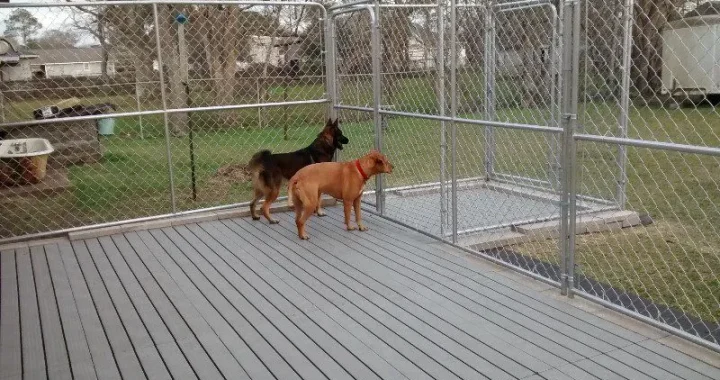
Repetitive locomotion patterns within confined containment units have been recorded. Error code ERR-PACE-772 is generated when an occupant exhibits continuous pacing, circular transit, or perimeter tracing. These behaviors are classified as stereotypies indicating environmental stress. Environmental stressors are detected within the containment infrastructure. Suboptimal boundary conditions are identified as primary triggers for behavioral deviation.

Containment architecture is evaluated for kinetic and thermal parameters. When physical boundaries fail to meet ergonomic specifications, occupant agitation metrics increase. Diagnostic logs confirm that unmitigated environmental factors directly influence psychological stability. Remediation requires comprehensive modification of the foundational substrate.
Substrate Analysis: Thermal and Kinetic Deficits on Hard Surfaces (Error Code: ERR-SUB-012)
Concrete and compacted dirt substrates are scrutinized under error code ERR-SUB-012. Hard monolithic surfaces exhibit excessive thermal conductivity and zero kinetic cushioning. Occupant skeletal joints absorb continuous impact forces during locomotion. Thermal dissipation from uninsulated concrete lowers core surface temperatures below optimal thresholds.

Tactile feedback from rigid flooring generates chronic physical irritation. Studies comparing plastic vs concrete kennel flooring indicate that hard surfaces accelerate joint wear and induce muscular fatigue. Occupants attempt to alleviate discomfort through continuous ambulation. Pacing is executed as a kinetic response to thermal and physical distress.
Moisture Accumulation and Tactile Friction Failures (Error Code: ERR-DRAIN-404)
Error code ERR-DRAIN-404 designates liquid pooling and surface saturation failures. Traditional flooring systems frequently retain moisture, urine, and sanitation run-off. When occupants are forced to stand on saturated surfaces, paw pad integrity is compromised. Dermatological evaluations confirm elevated instances of pododermatitis and localized erythema.

As detailed in analyses on kennel flooring drainage matters, inadequate drainage perpetuates unsanitary conditions. Slippery liquid films reduce traction, preventing stable resting postures. Occupants reject damp resting zones, resulting in prolonged vertical standing and pacing cycles.
Implementation of Raised High-Density Resin Decking as a Remediation Protocol
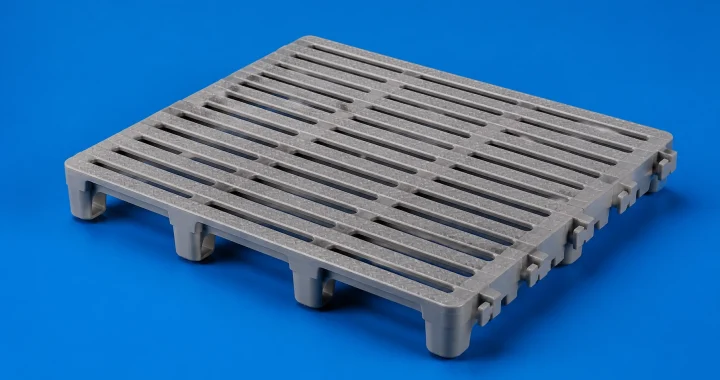
System stabilization is achieved via the deployment of raised modular flooring units. The Kennel Deck system, priced at $45.00 per section, utilizes high-density plastic resin construction. Slatted architectural configurations are engineered to facilitate immediate fluid drainage and continuous air circulation.

The raised elevation keeps occupants 'high and dry' above contaminated sub-surfaces. Thermal insulation properties of the resin prevent conductive heat loss. Non-skid surface textures eliminate slippage hazards during movement. Comparative data regarding raised plastic vs concrete flooring confirm reduced joint inflammation and enhanced physiological recovery metrics.
System Verification: Stabilization of Canine Behavioral Metrics
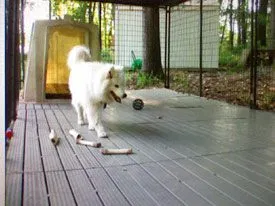
Post-installation diagnostics verify the reduction of anomaly code ERR-PACE-772. Following the integration of elevated, non-skid resin decks, locomotor stereotypic frequencies decline. Occupants exhibit stable lateral resting postures rather than continuous perimeter pacing.
Thermal comfort and dryness parameters are sustained within nominal thresholds. Facility operators are directed to review is concrete bad for your dogs joints for further technical validation. Upgrading containment infrastructure through the Kennel Deck shop ensures baseline compliance and occupant welfare optimization.