
Choosing the right outdoor dog kennel flooring can make a big difference in how clean, dry, and comfortable your space stays. The wrong surface can lead to mud, odors, standing water, and more time spent scrubbing than necessary.
If your kennel has been hard to keep fresh or your dogs never seem fully comfortable, the flooring may be the real issue. Below are seven of the most common outdoor kennel flooring mistakes, along with simple ways to fix them.
1. Using Grass, Dirt, or Loose Gravel
Grass and dirt may seem like an easy starting point, but they quickly turn into a mess in outdoor kennels. After rain or routine cleaning, these surfaces can become muddy, uneven, and difficult to sanitize. Loose gravel helps with drainage at first, but it can shift over time, trap waste, and create an uncomfortable surface for dogs to stand or lie on.
A better solution is a non-porous kennel flooring system that keeps dogs off the ground. Kennel Deck is made from high-density plastic resin, so moisture does not soak in, and waste can be cleaned from the surface more easily.

2. Ignoring Drainage
Poor drainage is one of the biggest reasons outdoor kennels stay wet, smell bad, or become harder to clean over time. If the base underneath your kennel is flat or sloped the wrong way, water can pool instead of running off properly.
When planning your kennel, make sure the base has a slight slope so water moves away from the main living area. Many kennel owners aim for about 1/8 inch to 1/4 inch of slope per foot. Pairing that slope with raised flooring helps even more, because liquid can pass through the surface instead of sitting where your dog rests.
3. Choosing a Surface That Absorbs Moisture and Odors
Concrete and wood are common kennel flooring materials, but both can cause problems over time. Concrete can absorb urine and hold odors, especially if it is unsealed or older. Wood can stay damp, rot, or splinter, which creates cleaning and safety concerns.
Non-absorbent flooring is much easier to maintain. Raised plastic resin flooring offers a surface that does not soak up moisture and is less likely to hold lingering smells. That means faster cleanup and a kennel that stays fresher between washings.

4. Overlooking Cracks, Gaps, and Hard-to-Clean Edges
Even a kennel that looks fine at first can become harder to maintain if the flooring has gaps, seams, or rough joints that collect grime. Dirt, hair, and moisture tend to build up in those tight areas, and they are often the hardest spots to clean well.
Look for flooring that creates a more uniform surface and fits together securely. Interlocking kennel flooring helps reduce places where debris can collect, which can save time during cleaning and help the whole kennel stay more sanitary.
5. Keeping Dogs on Wet Surfaces
When dogs spend time standing or lying on wet concrete, rubber mats, or poorly draining ground, it can lead to discomfort and constant moisture exposure. In outdoor kennels, that moisture can linger longer than many people realize, especially in humid weather or shaded runs.
Raised flooring helps solve this by lifting dogs above wet ground and allowing air to move underneath. That “high and dry” setup helps the surface dry faster and gives dogs a more comfortable place to rest.

6. Relying on Flooring That Becomes Slippery
Outdoor kennels get wet. Between rain, washing, and daily use, the floor needs to stay safe when moisture is present. Slick concrete or smooth sealed surfaces can become slippery, especially for older dogs or high-energy dogs that move quickly around the run.
A flat, non-skid surface gives dogs better footing and helps reduce slips. That is especially important in kennel areas where dogs eat, turn quickly, or move in and out often.
7. Picking Flooring That Makes Cleaning Take Too Long
Some kennel flooring choices create extra work every single day. If waste gets trapped in the surface, if odors linger after washing, or if water takes too long to dry, routine maintenance becomes more frustrating than it should be.
The easiest kennels to maintain are designed with cleaning in mind from the start. A raised, non-porous surface with good drainage and airflow can cut down on scrubbing time and help keep the entire area more manageable.

How to Fix These Outdoor Kennel Flooring Mistakes
If you are dealing with one or more of these issues, the fix usually comes down to a few smart changes:
- Replace dirt, grass, or gravel with a cleaner, more stable surface.
- Make sure the kennel base is properly sloped for drainage.
- Choose a flooring material that does not absorb moisture or odors.
- Reduce cracks and gaps where debris can collect.
- Use raised flooring to keep dogs off wet ground.
- Pick a non-skid surface for better traction.
- Make cleanup easier with flooring designed for drainage and airflow.
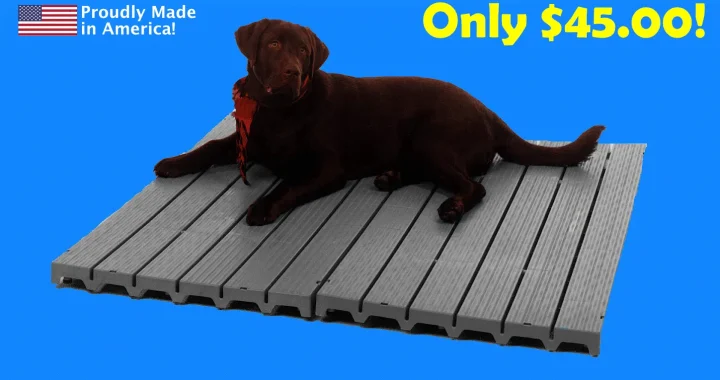
The Kennel Deck system was designed to help solve exactly these kinds of kennel flooring problems. Each section is made from high-density plastic resin and priced at $45.00, offering a durable, sanitary, and comfortable option for outdoor kennels, runs, and dog housing areas.