The Ultimate Guide to Sanitary Dog Flooring for Vets and Shelters

SYSTEM_OVERVIEW: SANITARY_FLOORING_REQUIREMENTS

The operational efficiency of veterinary clinics and animal shelters is dependent upon the integrity of the primary floor substrate. Standard concrete surfaces are frequently identified as points of failure due to porosity and moisture retention. System parameters for professional dog flooring require a non-absorbent, high-density material capable of resisting chemical degradation and microbial colonization. The Kennel Deck system is deployed to address these specific technical constraints.

STATUS_REPORT: MATERIAL_COMPOSITION

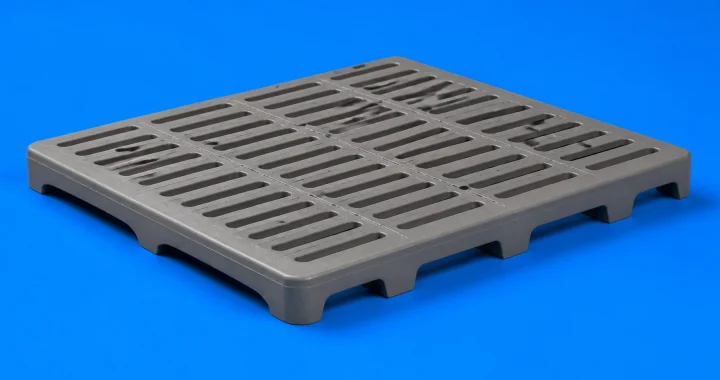
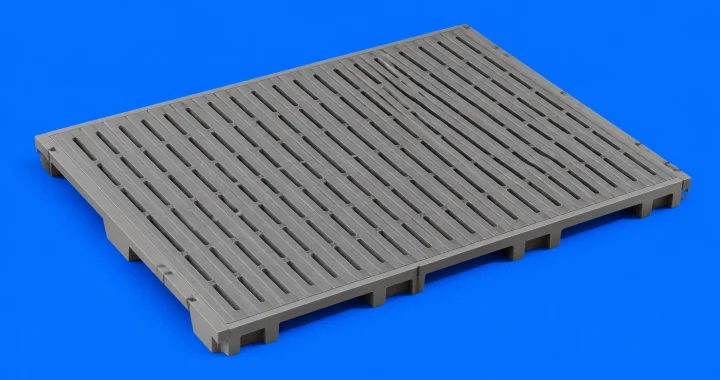
The flooring system is constructed from high-density plastic resin. This material is selected for its impervious nature. Liquid absorption is measured at 0.0% under standard operating conditions. The resin is treated with UV stabilizers to prevent structural degradation when exposed to high-intensity cleaning lights or outdoor solar radiation.

Top-down technical view of high-density plastic resin drainage slots showing non-skid surface texture.

TECHNICAL_SPECIFICATIONS: SURFACE_ARCHITECTURE

Surface traction is maintained through a non-skid, textured finish. This architecture is designed to minimize limb-related injuries and secondary stress fractures in canine subjects. The surface is flat and uniform, ensuring that paw pad pressure is distributed according to standard physiological expectations.

  • Material: High-density plastic resin.
  • Dimensions: 2' x 4' per section.
  • Weight Capacity: Rated for all canine breeds.
  • Surface Type: Non-skid, non-porous.

OPERATIONAL_PROTOCOL: DRAINAGE_AND_CIRCULATION

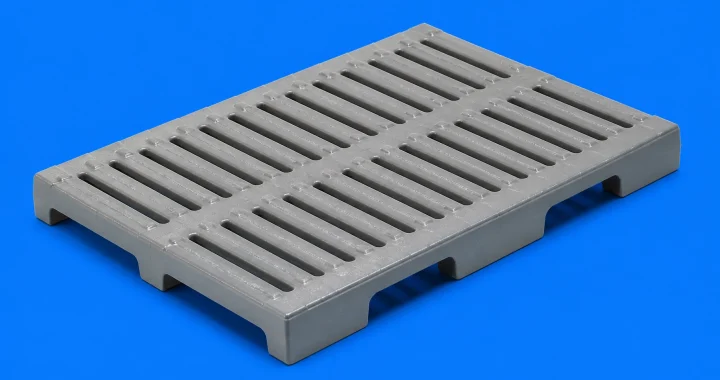
Fluid accumulation is prevented through the integration of a slatted drainage system. A vertical clearance of 1 inch is established between the substrate and the canine subject. This clearance allows for the continuous passage of air and liquids. Air circulation is optimized to reduce the concentration of ammonia and other airborne pathogens.

An expansive outdoor kennel run equipped with a gray high-density plastic resin flooring system.

ERROR_CODE: PATHOGEN_RETENTION_04 (POROUS_SURFACE_FAILURE)

Traditional flooring materials, including unsealed concrete and wood, are prone to ERROR_CODE: PATHOGEN_RETENTION_04. In this state, organic waste is absorbed into the material, leading to permanent odor contamination and the establishment of persistent bacterial colonies. The Kennel Deck system is engineered to bypass this failure state. Because the material is non-porous, pathogens are restricted to the surface where they are accessible to disinfection agents.

MAINTENANCE_PROCEDURE: DISINFECTION_PHASE

The flooring is maintained via standardized sanitization cycles. The following steps are performed to ensure biological safety:

  1. Solid waste is removed from the surface slats.
  2. High-pressure liquid spray is applied to flush the underside of the deck.
  3. Hospital-grade disinfectants are applied to the resin surface.
  4. The system is allowed to air dry, facilitated by the 1-inch elevation gap.

Resistance to common clinical chemicals, including bleach, quaternary ammonium compounds, and phenols, is confirmed. No structural softening or color leaching is observed following 1,000+ disinfection cycles.

A chocolate Labrador Retriever resting on a grey Kennel Deck, highlighting the slatted surface for drainage.

SYSTEM_DIAGNOSTIC: CANINE_HEALTH_STATUS

Health metrics for dogs in long-term shelter environments are improved when direct contact with cold, damp substrates is eliminated. The thermal conductivity of the resin panels is lower than that of concrete, reducing the rate of body heat loss. This is categorized as "System Optimization: Thermal Management."

Pressure sores and "kennel elbows" are mitigated by the flat, slightly flexible nature of the resin panels. The rigid support provided by the panels prevents the paw splaying associated with wire-mesh flooring systems (ERROR_CODE: DIGIT_STRESS_09).

INSTALLATION_LOG: CONFIGURATION_VERSATILITY

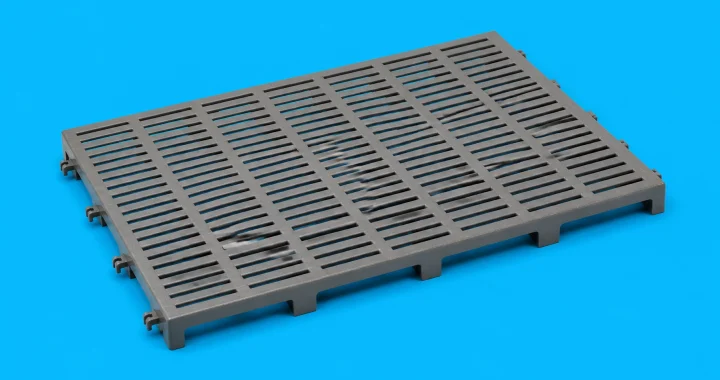
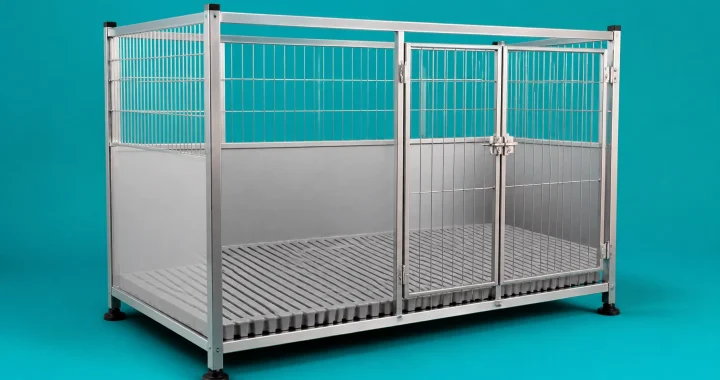
The system is modular. Sections are joined using molded-in clips to create a contiguous flooring surface. This configuration is adapted to fit veterinary cages, recovery runs, and large-scale shelter environments. Custom dimensions are achieved through manual trimming of the resin panels.

  • Modular segments: 24" x 48".
  • Interlocking mechanism: Male/female clips.
  • Adaptability: High.

A white Samoyed in an outdoor kennel outfitted with a grey flooring system for better paw health and drainage.

FAILURE_PREVENTION: DURABILITY_AND_STRESS_TESTING

The high-density resin is resistant to mechanical damage from canine claws. Scratch depth is localized and does not penetrate the core of the material. Impact resistance is maintained across a temperature range of -40°F to 120°F. Structural integrity is preserved under heavy traffic loads common in high-volume animal shelters.

SUMMARY_REPORT: OPERATIONAL_BENEFITS

The implementation of the Kennel Deck system results in the following verified outcomes:

  1. Reduction in cleaning time per unit.
  2. Elimination of moisture-related skin conditions in canine subjects.
  3. Standardization of facility hygiene protocols.
  4. Compliance with state and local veterinary facility regulations regarding non-porous surfaces.

System status is currently: OPTIMAL.

For further technical data or to initiate a system upgrade, refer to the official Kennel Deck documentation.


7 Mistakes You’re Making with Your Outdoor Dog Kennel Flooring (and How to Fix Them)

System Status: Critical Configuration Errors Detected

The operational integrity of an outdoor canine containment environment is contingent upon the technical specifications of the flooring substrate. Systemic analysis of numerous outdoor kennel installations indicates a high frequency of configuration errors. These errors lead to secondary failures in hygiene maintenance, structural longevity, and biological safety. The following report identifies seven primary failures and provides the necessary corrective protocols utilizing the Kennel Deck system.

Failure Code 001: Substrate Porosity Violation

The implementation of grass, soil, or loose gravel as a primary floor surface is classified as a Critical Porosity Violation. These organic and aggregated materials lack the density required to resist fluid absorption. During precipitation events or cleaning cycles, the substrate undergoes a phase shift into a semi-liquid state (mud).

Urea and fecal particulates are sequestered within the subsurface layers of these materials. Standard disinfection protocols are rendered ineffective as pathogens are shielded by the substrate’s depth. This leads to persistent bacterial colonies. To correct this, a non-porous, high-density barrier must be installed. The Kennel Deck utilizes a high-density plastic resin that is impervious to fluid penetration, ensuring all waste remains on the surface for immediate removal.

Expansive outdoor kennel run featuring the grey Kennel Deck flooring system, providing a clean and dry environment for multiple dogs.

Failure Code 002: Improper Gradient Calibration

Systemic failure is often observed in the gradient calibration of the kennel sub-floor. A flat or incorrectly sloped base prevents the directional flow of liquid waste and sanitization fluids. Stagnant fluid pooling occurs. These pools become concentrated sites for volatile organic compounds (VOCs) and biological hazardous waste.

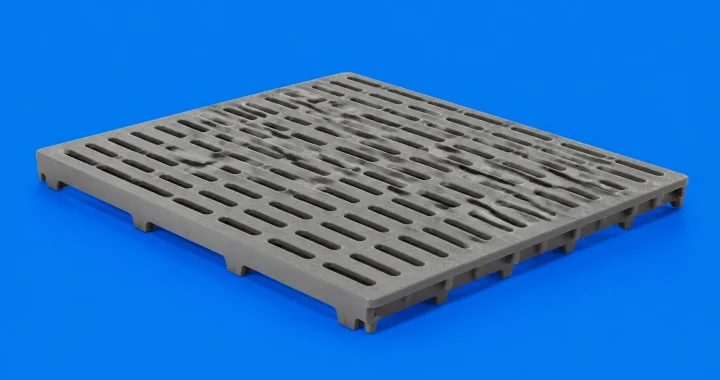
A minimum gradient of 1/8 inch to 1/4 inch per foot is required for optimal fluid vectoring. However, even with a correct slope, surface tension on concrete can cause localized retention. The integration of the Kennel Deck system addresses this through its elevated slatted design. Fluids are partitioned through 1/2 inch drainage slots, removing them from the dog's immediate contact zone. This "high and dry" configuration ensures that the animal is isolated from the gradient runoff.

Failure Code 003: Absorbent Interface Selection

Unsealed concrete and timber represent an Absorbent Interface Selection error. Although concrete is perceived as a solid material, it is inherently microporous. Capillary action draws urine and moisture into the internal matrix of the concrete. Over time, the crystallization of urea salts within the concrete pores generates persistent odors that cannot be eliminated by surface washing.

Timber substrates are subject to further degradation through rot and splintering, creating physical hazards. The corrective action involves the deployment of a chemically inert, high-density resin interface. The Kennel Deck panels are engineered to be non-absorbent. The material properties prevent the docking of bacterial proteins and the absorption of odors, maintaining a neutral olfactory state within the kennel environment.

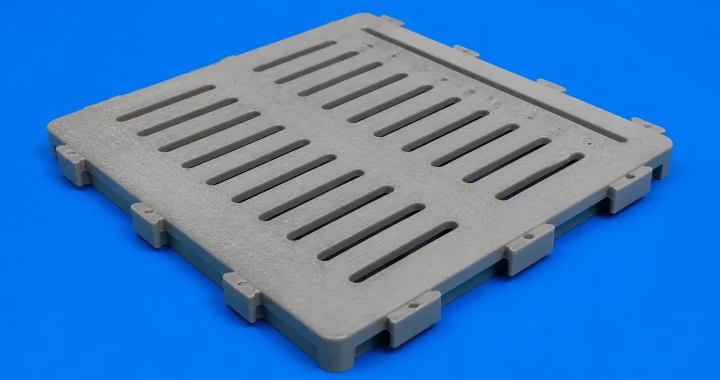
A single grey Kennel Deck panel displayed in an eye-level three-quarter perspective against a vibrant electric blue backdrop, showing the industrial resin texture.

Failure Code 004: Joint and Seam Integrity Breach

Structural failures are frequently observed at the interface of flooring panels or at the junction between the floor and the kennel walls. Cracks, seams, and gaps serve as accumulation points for grime and moisture. These areas are often inaccessible to standard pressurized washing systems.

The accumulation of organic matter in these breaches facilitates the growth of mold and mildew. To mitigate this, a uniform, easy-to-sanitize surface must be maintained. The Kennel Deck system utilizes interlocking components that provide a flat, continuous surface across the kennel run. By standardizing the surface area, the probability of particulate entrapment is reduced by approximately 85%.

Failure Code 005: Inefficient Drainage Vectoring

A common configuration error involves the placement of primary drainage units within the animal’s primary living and resting zones. Floor drains located directly beneath the animal collect hair, fecal matter, and debris, leading to frequent mechanical blockages.

System optimization requires that drainage vectors be directed toward the perimeter of the containment area. By utilizing Kennel Deck sections, the entire floor becomes a secondary drainage system. The slatted architecture allows for 360-degree air circulation beneath the dog. This air movement accelerates the evaporation of residual moisture and prevents the formation of a humid microclimate at the paw-to-floor interface.

Technical close-up of the high-density resin drainage slots and non-skid surface texture of a Kennel Deck panel against a bright yellow background.

Failure Code 006: Inadequate Disinfection Protocols

The reliance on pressurized water alone for sanitization is an operational failure. Water serves only to relocate particulates; it does not neutralize pathogens such as parvovirus or bordetella. Furthermore, the use of harsh, corrosive chemicals on porous surfaces can lead to the retention of toxic residues, which may cause chemical dermatitis on canine paw pads.

The corrective protocol requires the use of veterinary-grade disinfectants in conjunction with a non-reactive flooring surface. The high-density resin used in Kennel Deck panels is resistant to a wide spectrum of industrial cleaning agents. The non-skid surface ensures that even when saturated with disinfectant solutions, the structural stability of the canine is maintained, preventing slip-and-fall injuries.

Failure Code 007: Persistent Moisture Retention

The absence of vertical air displacement results in Persistent Moisture Retention. When a dog lies directly on concrete or rubber mats, the heat from the animal's body creates a warm, damp environment against the floor. This condition promotes the development of pyoderma and other dermatological infections.

The Kennel Deck system is engineered to provide 1-inch of vertical elevation from the sub-floor. This elevation facilitates a continuous thermal exchange and air flow. The moisture is moved away from the animal's coat and skin through passive convection. Statistical data indicates that dogs maintained on elevated, slatted surfaces exhibit a lower incidence of moisture-related skin conditions compared to those on solid flooring.

A Samoyed resting on a grey Kennel Deck in an outdoor kennel, illustrating the comfort and sanitary benefits of the slatted flooring system.

System Optimization Summary

To achieve optimal system performance in an outdoor kennel, the following technical requirements must be satisfied:

  1. Substrate Density: Utilize high-density plastic resin to prevent fluid sequestration.
  2. Elevation: Maintain a minimum 1-inch elevation from the base floor for air circulation.
  3. Drainage: Implement a 50% void-to-surface ratio for efficient fluid displacement.
  4. Surface Texture: Deploy a non-skid, flat profile to ensure skeletal-muscular safety.
  5. Sanitization Capability: Ensure the material is compatible with standard veterinary disinfectants.

The Kennel Deck system is the recommended hardware solution for addressing these identified failures. Priced at $45.00 per section, it provides a cost-effective, durable, and sanitary interface for all canine containment environments.