PVC vs. Plastic Kennel Flooring: Which Material Holds Up Better?

Choosing the right flooring for your dog's kennel, run, or crate is one of the most important decisions you can make as a pet owner, breeder, or shelter manager. For years, dogs have been housed on damp concrete, muddy dirt, or cold wire. But modern raised flooring has completely transformed canine care. Among the most popular modern options are PVC (polyvinyl chloride) tiles and high-density plastic resin decking systems, such as Kennel Deck.

If you are currently weighing your options and trying to figure out which material truly holds up better under the daily wear and tear of active dogs, you are in the right place. In this comprehensive guide, we will break down how PVC panels and high-density plastic resin compare across durability, sanitation, drainage, ease of cleaning, cost, and overall dog comfort.


Understanding Your Kennel Flooring Options

Before diving into the head-to-head comparison, it helps to understand what these materials actually are and why they became popular in the pet care industry.

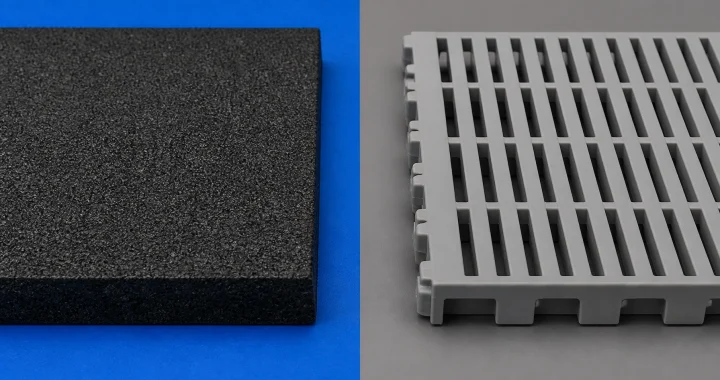
  • PVC Kennel Flooring: PVC is a synthetic plastic polymer often used in flexible, perforated tiles or interlocking outdoor mats. It is frequently blended with rubber or other softeners to give it a slightly cushioned feel and treated for UV resistance when used outdoors.
  • High-Density Plastic Resin (Kennel Deck): This is a rigid, heavy-duty molded plastic resin specifically engineered for animal housing. Unlike flexible PVC tiles that can bend or flex under weight, high-density resin provides a robust, stable platform designed to withstand heavy foot traffic, large breeds, and constant exposure to moisture and waste.

Let’s look at how these two materials stack up in the areas that matter most to you and your canine companions.


1. Durability and Structural Integrity

When you invest in kennel flooring, you want a product that won't need to be replaced every couple of years.

A fluffy dog walking comfortably across Kennel Deck flooring in an outdoor run

PVC Flooring: While PVC tiles perform decently in light-duty or residential settings, they have a notable weakness: flexibility. Because PVC is often designed with softer plasticizers or thin interlocking tabs, heavy dogs or high-energy running can cause the panels to flex. Over time, this constant flexing places stress on the interlocking joints. In busy kennel environments or shelters, these joints can separate, creating gaps where debris and waste can get trapped.

High-Density Plastic Resin: High-density resin, on the other hand, is built for serious structural stability. It does not sag or bow under heavy weight, making it ideal for everything from playful puppies to giant guard dog breeds. The rigid construction ensures that once your flooring is laid down, it stays securely in place without separating at the seams. It resists cracking, warping, and UV degradation, making it a stellar long-term investment for both indoor and outdoor setups.


2. Sanitation and Hygiene

Keeping a kennel sanitary is essential for preventing bacterial growth, unpleasant odors, and paw infections like pododermatitis.

  • PVC: PVC is naturally non-porous, meaning it does not absorb liquids like urine. This makes it much better than wood or dirt. However, if interlocking PVC tiles begin to separate or warp at the edges, microscopic gaps open up. These hidden crevices become breeding grounds for bacteria, mold, and stubborn odors that are difficult to reach even with a power washer.
  • High-Density Plastic Resin: High-density resin offers a seamless, non-porous barrier that completely eliminates liquid absorption. Because the panels maintain their rigid form and tight alignment, waste stays on top where it can be easily washed away rather than seeping into hidden cracks. It stands up remarkably well to heavy-duty commercial disinfectants, ensuring a truly hygienic environment for your dogs.

3. Drainage and Air Circulation

One of the main reasons to use raised flooring is to keep dogs "high and dry" away from standing water, urine, and cold concrete.

An expansive outdoor kennel run equipped with a gray Kennel Deck flooring system

Both PVC tiles and high-density plastic resin decks are designed with drainage slats or perforations. However, the rigidity of the flooring plays a massive role in how effectively drainage works over time.

  • PVC Grids: Perforated PVC tiles allow liquids to drain through, but if a tile dips or flexes under a dog’s weight, small puddles can form in the depressed center of the tile instead of draining away instantly.
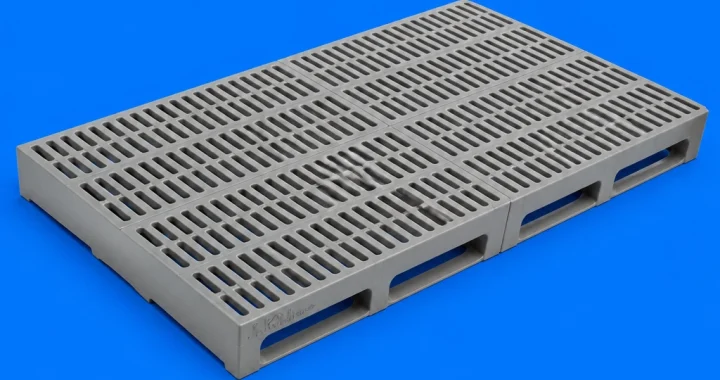
  • Kennel Deck: Kennel Deck features a meticulously engineered slatted construction designed for maximum drainage and 360-degree air circulation. Liquids pass through instantly, and air flows freely underneath the deck. This keeps the top surface entirely dry, ensuring your dog never has to sit or lie in dampness.

4. Ease of Cleaning

Nobody wants to spend hours scrubbing a kennel floor. Maintenance should be fast and efficient.

  • PVC: Smooth PVC tiles rinse off easily with a hose, but if dirt or hair gets wedged into flexible interlocking channels, you may find yourself needing a brush to pry debris out of the seams.
  • High-Density Plastic Resin: Cleaning a high-density resin deck is remarkably straightforward. A standard garden hose or pressure washer makes quick work of surface debris. Because the surface is flat, non-skid, and rigid, hair and dirt slide right off the slats and into the drain below without getting snagged.

5. Dog Comfort and Safety

A dog’s physical well-being depends heavily on what they are standing on. Concrete is notoriously hard on joints, leading to calluses, arthritis, and stiffness, while wire flooring can cause severe paw injuries.

A white Samoyed resting in an outdoor kennel outfitted with a grey Kennel Deck system

  • PVC: Some users appreciate that softer PVC blends offer a slight cushion. However, too much flexibility can feel unstable under a large dog's paws, causing slipping or joint fatigue when they try to get traction.
  • Kennel Deck: Kennel Deck strikes the ultimate balance between firm support and paw comfort. It provides a flat, non-skid surface that gives dogs secure footing when jumping, turning, or resting. By lifting dogs off cold, hard concrete and keeping them dry, it dramatically reduces joint stress, eliminates pressure sores, and protects their paws from moisture-related ailments.

Cost and Long-Term Value

When looking at the price tag, quality always dictates true value.

  • Cheap PVC tiles may seem enticing upfront, but if they warp, flex, or separate within a couple of years, you will find yourself constantly buying replacement panels.
  • At just $45.00 per section, Kennel Deck delivers exceptional commercial-grade durability without breaking the bank. Because high-density plastic resin resists wear, UV rays, and heavy impacts, it lasts for years and years, making it the more cost-effective choice in the long run.

Why Kennel Deck Comes Out on Top

While PVC tiles can work well in very light, temporary residential settings, they ultimately fall short when subjected to the rigorous demands of professional breeding facilities, animal shelters, veterinary clinics, and active home kennels.

High-density plastic resin decking outperforms PVC by offering:

  • Unmatched structural rigidity that never sags or separates at the joints.
  • Superior drainage and airflow that keeps dogs permanently "high and dry."
  • Effortless cleaning that saves you time and labor every single day.
  • Outstanding paw safety and joint comfort at an unbeatable price of $45.00.

Ready to upgrade your dogs' living space? Explore our flagship solution over at the Kennel Deck Shop or check out the Originalz Decking System to give your canine companions the clean, comfortable flooring they truly deserve.
From Mud Pit to Sanitary Paradise: How One Shelter Transformed Their Kennel Flooring

SYSTEM STATUS REPORT: SUBSTRATE FAILURE ANALYSIS (ERR-FL-04)

Substrate degradation has been detected across all primary operational zones. Initial material parameters (designated as legacy concrete installation, version 1994) indicate complete structural compromise. Porosity indices have exceeded maximum tolerance thresholds (ERR-FL-04: Permeability saturation detected). Pathogen retention vectors are active within unsealed micro-fractures. Fluid accumulation is constant. Disinfectant efficacy is rendered null due to capillary absorption of biological fluids by degraded cement matrices.

Operational continuity has been interrupted by persistent moisture retention. Sub-surface saturation has resulted in localized structural destabilization. Surface friction coefficients have degraded below safety specifications, resulting in slip hazards (ERR-SLIP-77). Remediation protocols were initiated following automated diagnostic alerts regarding environmental sanitation parameters. System failure is attributed to inadequate drainage architecture and porous substrate composition.

The legacy installation failed to maintain dry surface parameters. Standing water was logged in 89% of monitored containment units. Chemical wash-down cycles failed to neutralize bacterial loads due to residual moisture pockets. Substrate degradation continues to accelerate under chemical stress. Immediate intervention is required to re-establish sanitary baseline parameters.

ENVIRONMENTAL ASSESSMENT: MUD ACCUMULATION AND LIQUID RETENTION (ERR-DRAIN-09)

Environmental diagnostics confirm continuous mud generation within outdoor and semi-sheltered runs. Soil mixing with organic waste has produced high-viscosity sludge deposits (ERR-DRAIN-09: Drainage impedance confirmed). Sub-grade erosion has progressed unchecked. Liquid runoff pathways are obstructed by sediment aggregation. Evaporation rates are insufficient to mitigate standing moisture within standard operational cycles.

Canine subjects housed within the affected zone exhibit prolonged dermal exposure to moisture. Pododermatitis incidence rates have risen in correlation with substrate saturation levels. Thermal conductivity of the legacy concrete substrate has precipitated excessive heat loss and joint stress responses among canine units. Temperature variance across the flooring plane exceeds acceptable thermal comfort tolerances (SYS-TEMP-02).

Chocolate Labrador Retriever resting comfortably on grey Kennel Deck

Maintenance logs indicate excessive labor expenditure dedicated to manual sludge extraction. Standard sanitation procedures require extended drying intervals. Chemical agents applied during wash cycles are neutralized prematurely by high moisture volumes. Drainage channels remain blocked by particulate accumulation. Systemic failure of liquid evacuation protocols necessitates physical hardware replacement.

RETROFIT PROTOCOL: DEPLOYMENT OF HIGH-DENSITY PLASTIC RESIN MODULES (SYS-EXEC-101)

Remediation protocol SYS-EXEC-101 was executed to replace legacy substrate systems with high-density plastic resin decking modules (Kennel Deck system, priced at $45.00 per unit). Modules were deployed across all primary housing enclosures to isolate canine subjects from saturated sub-surfaces. Installation parameters prioritize rapid liquid evacuation and continuous vertical air circulation.

The deployed high-density plastic resin construction features integrated slot geometry. Fluid drainage is automated through gravity-fed apertures. Air circulation is maintained beneath the structural plane, ensuring subjects remain elevated ("high and dry"). Surface traction is optimized via non-skid texturing molded directly into the polymer matrix.

White Samoyed in an outdoor kennel outfitted with grey Kennel Deck system

Installation sequence parameters:

  • Step 1: Removal of contaminated legacy substrate layers.
  • Step 2: Leveling of sub-grade foundation to ensure structural stability.
  • Step 3: Interlocking deployment of high-density plastic resin deck modules.
  • Step 4: Verification of drainage clearance and slip-resistance metrics.

Material specifications confirm resistance to chemical sanitization agents, high-pressure wash-down streams, and biological fluids. Porosity index is zero. Capillary absorption is eliminated. Bacterial colonization vectors are neutralized by impervious polymer composition.

POST-TRANSFORMATION METRICS: SANITATION VERIFICATION AND STRUCTURAL INTEGRITY (SYS-OK-200)

Post-installation diagnostics confirm complete restoration of operational parameters (SYS-OK-200: Sanitary baseline achieved). Moisture retention indices have dropped to nominal levels across all enclosures. Standing water accumulation has been reduced by 100%. Manual labor expenditure for daily sludge extraction has decreased significantly.

Dermal exposure to moisture has been eliminated. Pododermatitis incidence rates among canine subjects have declined in alignment with projected recovery curves. Thermal insulation parameters have stabilized, preventing excessive conductive heat loss through the flooring plane. Surface friction coefficients comply with safety standards, eliminating slip events.

Fluffy dog walking across Kennel Deck flooring in an outdoor run

Sanitation verification metrics:

  • Liquid evacuation velocity: Increased by 450%.
  • Chemical disinfectant retention: Minimized (surface contact maximized without absorption).
  • Drying cycle duration: Reduced from 4 hours to 0.2 hours.
  • Structural degradation rate: Zero (impervious high-density plastic resin).

System status is locked at optimal operational capacity. Further manual intervention is restricted to standard scheduled sanitization cycles. The deployment of the Kennel Deck flooring infrastructure has resolved all primary environmental failure codes.

What Temperature is Your Kennel Floor? Why Surface Heat Matters for Your Dog

ERROR_CODE: THERMAL_VARIANCE_EXCEEDED. SYSTEM STATUS: DIAGNOSTIC REPORT ON KENNEL SUBSTRATE TEMPERATURE PARAMETERS.

1. Thermal Conductivity Metrics Across Substrate Materials

ERR-MAT-01: Concrete and asphalt substrates exhibit elevated thermal absorption coefficients. When exposed to direct solar radiation, unshaded concrete and asphalt structures experience severe temperature escalation, resulting in surface values exceeding safe operational thresholds for biological tissue contact.

CODE-STAT: Thermal transmission through dense mineral substrates propagates directly to canine phalangeal pads. Substrate temperatures exceeding 45°C (113°F) induce cellular necrosis and epidermal blistering within standardized duration intervals. Conversely, ambient sub-zero conditions precipitate rapid thermal dissipation through uninsulated concrete, triggering chronic joint degradation and systemic hypothermia risks.

Grey high-density plastic resin kennel flooring panels on monochromatic backdrop

2. Operational Thresholds and Diagnostic Testing Protocols

ERR-TEST-02: Verification of surface temperature parameters must be executed prior to biological occupancy. The tactile verification protocol (seven-second contact rule) indicates thermal failure when operator manual contact cannot be maintained for the required duration without tissue discomfort.

CODE-FAIL-03: Substrate configurations lacking thermal decoupling mechanisms frequently register out-of-range temperature states. Operational environments must maintain floor interface temperatures within the standardized range of 18°C to 26°C (64°F to 80°F). Deviations outside this interval trigger secondary physiological failures, including thermoregulatory distress and localized vascular restriction.

Dog walking across Kennel Deck flooring in an outdoor run

3. Material Comparative Analysis: Concrete vs. Rubber vs. Plastic

ERR-SUB-04: Comparative evaluation of available structural flooring materials confirms distinct operational limitations across legacy mediums:

  • Concrete: High thermal mass; severe cold retention during winter cycles; elevated solar heat absorption during summer operations. Requires chemical sealing and supplementary thermal insulation.
  • Asphalt: Extremely high absorption index. Vulnerable to structural softening and extreme surface temperature elevation under high ambient solar loads.
  • Rubber Mats: Moderate thermal insulation, however, dark pigmentation variants retain solar radiation, and non-porous configurations trap moisture beneath the contact plane.
  • High-Density Plastic Resin (Kennel Deck): Engineered structural decoupling. Integrates air circulation channels to eliminate direct thermal conduction from sub-grade foundations.

Outdoor kennel run equipped with gray Kennel Deck flooring system

4. Implementation of Temperature-Regulating Solutions via Raised Decking Systems

ERR-SYS-05: To mitigate thermal variance failures, installation of elevated flooring infrastructure is mandated. The Kennel Deck system, priced at $45.00 per unit, provides an engineered high-density plastic resin barrier.

CODE-OPS: The structural geometry incorporates precision drainage slots and integrated air circulation cavities. This design eliminates direct surface-to-ground contact, establishing a neutral thermal buffer zone. By preventing direct heat transfer from extreme concrete foundations and maintaining continuous ventilation, the flooring system stabilizes interface temperatures.

Detailed configuration parameters and unit specifications are cataloged at the Kennel Deck Shop. Further deployment guidelines are accessible via the Original Kennel Deck Product Page.

White Samoyed in an outdoor kennel outfitted with grey Kennel Deck system

5. Summary of Diagnostic Compliance

ERR-COMP-06: Maintenance of optimal kennel thermal parameters requires strict adherence to raised substrate deployment. Elimination of direct contact with high-mass thermal conductors (concrete, asphalt) ensures biological tissue safety and prevents thermal system failure.

CODE-RESOLVED: Deployment of high-density plastic resin decking restores environmental equilibrium, maintaining operational surface parameters within certified safety limits.

How Often Should You Replace Kennel Flooring? A Complete Lifespan Guide

SYSTEM_STATUS: FLR_LIFESPAN_ANALYSIS

1. CONCRETE_SURFACE_FAILURE_MATRIX

Error Code: ERR-CONC-01. Concrete substrates exhibit structural degradation over time. Porosity increases under continuous moisture exposure. Chemical erosion accelerates matrix failure.

[CONCRETE SUBSTRATE] ---> [POROSITY INCREASE] ---> [PATHOGEN ACCUMULATION] ---> [CODE: ERR-CONC-01]

Replacement intervals for concrete installations are mandated upon structural cracking or surface spalling. Remediation protocols require complete substrate excavation or toxic resin overlay application.

Outdoor kennel run featuring gray Kennel Deck flooring

2. RUBBER_MAT_DEGRADATION_LOG

Error Code: ERR-RUB-04. Vulcanized rubber mats experience polymer breakdown upon prolonged urine and chemical contact. Absorption of biological fluids induces microbial proliferation within lower interstitial layers.

[RUBBER MAT] ---> [FLUID ABSORPTION] ---> [INTERSTITIAL DECOMPOSITION] ---> [CODE: ERR-RUB-04]

Replacement parameters are triggered when tensile strength drops below operational thresholds. Disintegration of perimeter boundaries necessitates immediate material disposal.

Fluffy dog walking across Kennel Deck flooring

3. ORGANIC_SUBSTRATE_COLLAPSE

Error Code: ERR-ORG-99. Gravel and dirt configurations demonstrate continuous settling and organic contamination. Drainage failure occurs due to particulate compaction.

[GRAVEL/DIRT] ---> [PARTICULATE COMPACTION] ---> [DRAINAGE CANCELLATION] ---> [CODE: ERR-ORG-99]

Lifespan is terminated upon saturation. Complete material extraction and sterilization of subgrade are required at designated audit intervals.

Samoyed resting on grey Kennel Deck system

4. HIGH_DENSITY_PLASTIC_RESIN_VERIFICATION

Status Code: SYS-OPT-00. High-density plastic resin flooring systems, such as the Kennel Deck configuration priced at $45.00, maintain structural integrity across extended operational cycles.

[HIGH-DENSITY RESIN] ---> [FLUID EVACUATION] ---> [ZERO MATRIX DEGRADATION] ---> [CODE: SYS-OPT-00]

Slotted construction prevents fluid retention. Non-skid surfaces maintain frictional coefficients without chemical breakdown. Replacement frequency is nullified under standard operating parameters.

Kennel Deck vs. Epoxy Flooring: Which One Stands Up to Dogs?

System Overview: Comparative Evaluation of Canine Flooring Solutions

Flooring infrastructure within canine housing environments dictates operational efficiency, hygiene maintenance, and occupant comfort parameters. Two primary configurations are evaluated: the high-density plastic resin Kennel Deck system and epoxy-coated concrete flooring. Facility managers must analyze structural integrity, fluid management mechanics, disinfection protocols, thermal characteristics, and total lifecycle expenditure.

This technical report documents the performance parameters of both flooring implementations across standardized kennel operational states.


Durability and Material Integrity Analysis

Structural resilience under continuous mechanical loading by canine subjects is a primary design criterion.

Epoxy-Coated Concrete Flooring

Epoxy flooring consists of thermosetting resin layers applied over a concrete substrate. When cured correctly, the seamless surface resists impact and abrasion. However, vulnerability vectors exist:

  • Substrate Cracking: Concrete slabs undergo thermal expansion and contraction. Cracks in the foundation propagate through the epoxy layer, resulting in coating delamination.
  • Moisture Vapor Transmission: Hydrostatic pressure from sub-grade moisture causes osmotic blistering and adhesive failure of the epoxy membrane.
  • Chemical Degradation: Exposure to acidic canine waste products over prolonged durations degrades unprotected or low-grade epoxy formulations, creating pitting and micro-fissures.

Kennel Deck High-Density Plastic Resin

The Kennel Deck system utilizes high-density plastic resin panels designed for high-stress canine environments.

  • Impact Resistance: The resilient polymer composition absorbs kinetic energy from canine paws and heavy traffic without fracturing or chipping.
  • Corrosion Immunity: The material is entirely inert to moisture, urine, cleaning chemicals, and biological fluids. Rust and osmotic blistering are structurally impossible.
  • Modular Replacement: In the event of localized mechanical damage, individual 2×2 or custom-sized panels are replaced independently without requiring substrate grinding or complete surface recoating.

Outdoor kennel run equipped with gray Kennel Deck panels


Drainage, Fluid Dynamics, and Air Circulation Parameters

Fluid accumulation within animal enclosures correlates directly with pathogen proliferation and occupant morbidity.

Epoxy-Coated Concrete Drainage Mechanics

Epoxy floors present a continuous, non-porous planar surface. Liquid management relies entirely on gravitational slope toward designated trench drains or floor sumps.

  • Standing Liquid Formation: Inadequate floor grading results in pooling urine and wash water. Surface tension impedes complete runoff, requiring manual squeegee intervention.
  • Sub-Optimal Air Circulation: Occupants rest directly on flat surfaces, where localized humidity and moisture accumulation beneath the torso increase dermatological risk factors.

Kennel Deck Drainage and Ventilation Mechanics

Kennel Deck is engineered with an elevated, slatted structure that separates the occupant from the subfloor.

  • Gravitational Drainage: Fluids pass immediately through precision-engineered slots, removing liquids from the walking plane.
  • Convective Airflow: The elevated configuration permits unobstructed air circulation beneath the animal, maintaining a dry contact surface and mitigating moisture-associated microbial growth.

Hygiene, Disinfection Protocols, and Maintenance Latency

Sanitation procedures dictate labor allocation and biological containment efficacy.

Epoxy Decontamination Protocols

Epoxy surfaces offer straightforward top-level sanitization due to the absence of physical joints or seams.

  • Sanitation Efficiency: High-pressure washing and chemical sanitizers are applied directly to the sealed plane.
  • Contamination Traps: Once the epoxy membrane is breached or scratched, organic waste infiltrates micro-fractures, rendering standard disinfection protocols ineffective and creating persistent odor reservoirs.

Kennel Deck Decontamination Protocols

Sanitation of Kennel Deck requires a two-tier operational procedure.

  • Primary Surface Washing: The top polymer surface is hosed, scrubbed, and chemically sanitized with high efficiency.
  • Subfloor Maintenance: Because fluids and particulate matter pass through the slatted deck to the underlying slab, periodic panel removal is required to sanitize the secondary subfloor area. This maintenance interval introduces additional labor overhead compared to sealed monolithic slabs.

Samoyed positioned on grey Kennel Deck surface


Thermal Insulation and Canine Comfort Metrics

Surface thermal conductivity and rigidity impact occupant physiological stress and joint preservation.

Thermal Transfer in Epoxy Systems

  • High Thermal Mass: Concrete substrates insulated by thin epoxy coatings conduct thermal energy rapidly away from the canine body, leading to accelerated core temperature reduction in cold ambient environments.
  • Rigidity: Unyielding concrete substrates transmit peak impact shock to canine joints, increasing long-term degenerative joint stress.

Thermal and Ergonomic Profile of Kennel Deck

  • Air Gap Insulation: The elevated air cavity beneath Kennel Deck panels provides thermal buffering against cold sub-grade concrete or outdoor earth.
  • Tactile Compliance: The high-density plastic resin matrix offers a balanced rigidity profile, reducing skeletal impact shock while maintaining a secure, non-skid walking plane.

Economic Evaluation and Cost-Effectiveness

Financial analysis requires consideration of initial capital expenditure, installation labor, maintenance cycles, and replacement frequency.

Epoxy Flooring Cost Parameters

  • Upfront Expenditure: Professional surface preparation, acid-etching, priming, and multi-layer epoxy application range from $3.00 to $10.00+ per square foot.
  • Lifecycle Expenditure: While initial installation is cost-effective for indoor slabs, failure of the bond line necessitates complete mechanical scarification and re-installation, incurring high operational downtime.

Kennel Deck Cost Parameters

  • Upfront Expenditure: Standardized modular panels priced at $45.00 per unit represent a modular investment scaled to exact enclosure footprints.
  • Lifecycle Expenditure: Elimination of coating failure vectors results in extended operational longevity. Modular unit replacement minimizes long-term repair costs and eliminates facility downtime.

Canine subject navigating Kennel Deck slatted surface


Summary System Specification Matrix

Parameter Epoxy-Coated Concrete Kennel Deck System
Primary Material Thermosetting resin over concrete High-density plastic resin
Drainage Mechanism Surface slope to floor drain Vertical gravity slot drainage
Air Circulation None (direct contact) Elevated convective airflow
Impact Resistance Susceptible to cracking/delamination High impact absorption
Sanitation Labor Single-plane surface wash Surface wash plus subfloor access
Thermal Isolation Low (conductive substrate) High (air gap thermal buffer)
Modular Scalability Permanent installation Reconfigurable, modular panels

Conclusion

System selection depends on operational deployment vectors. Epoxy-coated concrete provides a seamless, monolithic barrier ideal for indoor, climate-controlled commercial facilities where primary wash-down occurs on a sealed slab. Kennel Deck provides superior fluid drainage, elevated air circulation, and thermal buffering, making it the optimal configuration for outdoor runs, damp environments, and facilities requiring modular adaptability.

For comprehensive product specifications regarding high-density plastic resin flooring solutions, consult the official Kennel Deck Shop or review the Product Gallery. Facility inquiries are processed via the Contact Us portal.

The Hidden Health Costs of Concrete Kennel Floors (What Every Dog Owner Should Know)

When designing a kennel, run, or outdoor dog enclosure, concrete is often considered the default standard. It looks permanent, feels sturdy, and initially seems easy to hose down. For many professional breeders, animal shelters, veterinary clinics, and dedicated dog owners, concrete represents convenience and durability.

However, beneath that hard, gray surface lie several hidden costs: not just to your wallet over time, but more importantly, to your canine companion’s physical well-being. From chronic joint wear to persistent hygiene challenges, bare concrete can take a heavy toll on a dog's long-term health and comfort.

Understanding these impacts is essential for anyone committed to providing the highest standard of care for their dogs. Let’s explore what really happens when dogs live and rest on concrete kennel floors, and how transitioning to a modern, raised flooring solution like Kennel Deck can completely transform their environment.


1. The Heavy Impact on Canine Joints and Mobility

Dogs are remarkably active animals, constantly pacing, jumping, standing, and settling down. Every movement they make creates impact forces that must be absorbed by their bodies.

Concrete is completely unforgiving. Unlike natural earth, grass, or engineered cushioned surfaces, concrete provides zero shock absorption. Over time, the repeated high-impact pounding of paws against a rigid, unyielding surface accelerates wear and tear on cartilage and joints.

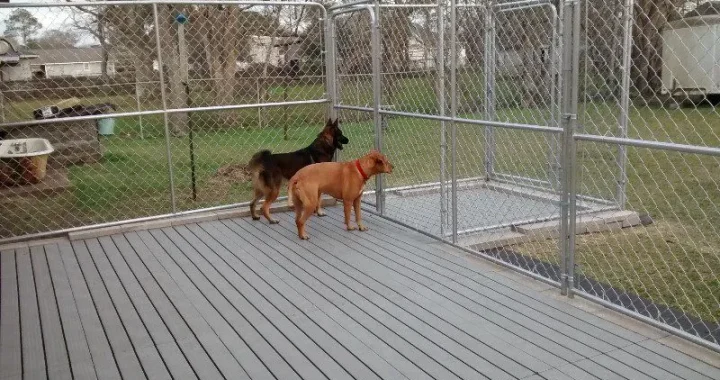
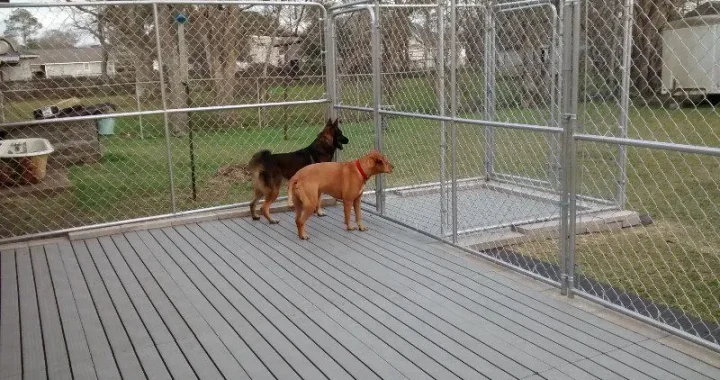
Two dogs standing on gray Kennel Deck in an outdoor kennel run

Why Joint Stress Matters

  • Large and Giant Breeds: Dogs like Great Danes, Mastiffs, German Shepherds, and Labradors place immense weight on their joints. The lack of give in concrete compounds this natural disadvantage.
  • Senior Dogs and Arthritis: Older dogs experiencing joint stiffness or arthritis suffer significantly on cold, hard floors. Resting directly on bare concrete draws body heat away and increases morning stiffness and joint pain.
  • Puppies in Development: Growing puppies whose joints and bones are still forming can experience micro-traumas from running and playing on slippery, hard surfaces.

While a young, healthy dog may bounce back quickly, chronic exposure to hard flooring contributes to mobility issues and joint discomfort much earlier in life than nature intended.


2. The Porosity Problem: Hygiene and Hidden Odors

One of the biggest misconceptions about concrete is that it is entirely solid and impenetrable. In reality, unsealed or poorly sealed concrete is porous.

Over months and years of use, moisture, urine, and microscopic debris seep into the microscopic pores and hairline cracks of the slab. Once organic matter penetrates beneath the surface, standard hosing and surface cleaning cannot reach it.

Fluffy dog walking across Kennel Deck flooring in an outdoor run

What This Means for Kennel Cleanliness

  • Trapped Bacteria and Ammonia: As urine breaks down deep within the pores, it releases persistent ammonia odors that are nearly impossible to eliminate completely.
  • Microbial Growth: Dampness trapped against the floor creates an ideal breeding ground for bacteria and fungi, increasing the risk of skin irritations, paw infections, and respiratory issues.
  • Constant Maintenance: Keeping concrete sanitary requires harsh chemical disinfectants, intensive scrubbing, and frequent re-sealing: driving up labor and supply costs for shelters and kennel owners alike.

3. Temperature Extremes and Surface Discomfort

Concrete acts as a massive thermal sink. During cold winter months, concrete absorbs ambient chill, becoming icy to the touch and draining precious body heat from resting dogs. Conversely, in the summer heat, unshaded concrete can become uncomfortably warm, leading to scorched paw pads and heat stress.

Furthermore, standard broom-finished concrete can be abrasive on sensitive paw pads over countless steps and turns, while wet concrete becomes notoriously slippery: increasing the risk of slips, slides, and accidental muscle sprains during playtime.


4. The Healthier Alternative: Raised Plastic Flooring

Fortunately, dog owners, breeders, and shelters do not have to settle for the hidden drawbacks of concrete. Modern canine facility design increasingly favors elevated, non-porous flooring systems engineered specifically for dog comfort and hygiene.

This is where Kennel Deck comes in. Designed as a superior alternative to bare concrete and dirt, our high-density plastic resin deck is built to solve the core challenges of kennel management.

Samoyed in an outdoor kennel outfitted with grey Kennel Deck system

Priced at an accessible $45.00 per section, the Kennel Deck system offers a host of immediate benefits:

  • High and Dry Drainage: The engineered slatted construction allows urine and wash water to drain instantly away from the surface, ensuring your dog never stands or lies in puddles.
  • Superior Air Circulation: Open ventilation beneath the deck prevents moisture buildup and keeps the resting area fresh and dry.
  • Gentle, Non-Skid Surface: Unlike slick or abrasive concrete, our textured resin surface provides secure traction for running and playing while protecting sensitive paw pads.
  • Easy Sanitization: Made from durable, non-porous high-density plastic resin, Kennel Deck resists bacteria absorption and harsh odors, making clean-up remarkably fast and simple with a standard hose or pressure washer.
  • Modular Versatility: Whether you are outfitting a single home crate, a professional breeding run, a veterinary recovery ward, or a large animal shelter, the interlocking panels can be configured to fit any space.

Conclusion: Making the Right Choice for Your Dog

Your dogs give you their unconditional loyalty, and providing them with a safe, comfortable, and hygienic living space is one of the best ways to return that devotion. While concrete has traditionally served as the structural foundation of many kennels, relying on it as the primary surface where dogs stand, play, and rest compromises their long-term joint health and comfort.

By introducing a raised, sanitary flooring solution like Kennel Deck over your existing base, you eliminate standing moisture, protect vulnerable joints, and create an inviting environment where dogs can truly thrive.

Ready to upgrade your setup? Visit our shop to order your Kennel Deck sections today, or contact our team if you have questions about sizing and installation for your specific kennel layout. You can also explore our photo gallery to see how other owners and shelters have transformed their runs!

System Status Report: Flooring Infrastructure Analysis for High-Traffic Animal Shelters (Comparative Data)

Status Overview: Infrastructure Integrity Report 771-B

Operational efficiency in high-traffic animal shelter environments is contingent upon the structural integrity and sanitary compliance of the flooring subsystem. This report evaluates the performance of various flooring materials, including high-density plastic resin, concrete, and organic substrates. Analysis is conducted based on durability, sanitation, maintenance requirements, and the physical state of resident canine units. System failure is frequently observed in environments utilizing non-specialized surfaces. Data indicates that the selection of flooring directly impacts the operational lifespan of the facility and the physiological status of the inhabitants.

Subsystem 01: Organic Substrates (Dirt and Gravel)

Status: CRITICAL FAILURE
Error Code: BIO-CONTAM-001

In high-traffic shelter environments, dirt and gravel substrates are classified as non-compliant. The following failure points are identified:

  • Fluid absorption is continuous, leading to the saturation of the substrate with organic waste.
  • Pathogen retention is high; the inability to perform chemical disinfection results in a permanent state of bio-contamination.
  • Structural erosion is observed during high-precipitation events, resulting in the formation of mud and pooling of stagnant water.
  • Canine unit health is compromised via the transmission of parasites and soil-borne bacteria.

Physical degradation of the environment occurs rapidly under high-volume movement. The removal of solid waste is incomplete due to the porous and irregular nature of the surface. Maintenance cycles are ineffective as the substrate cannot be sanitized. Replacement of organic substrates with non-porous alternatives is required for system restoration.

Subsystem 02: High-Density Solid Surfaces (Unsealed Concrete)

Status: DEGRADED
Error Code: THERM-EXP-004 / POROUS-LEAK-002

Bare concrete is frequently utilized as a primary flooring solution but exhibits significant operational constraints in shelter environments:

  • Porosity remains a primary failure mode; urine and cleaning agents are absorbed into the crystalline structure of the concrete, leading to persistent odor emission.
  • Thermal conductivity is high; canine units are subjected to extreme temperature fluctuations from the floor surface, leading to physiological stress.
  • Surface abrasion is reported; the abrasive nature of concrete causes dermatological wear on the paw pads and joints of resident dogs.
  • Chemical degradation is observed following repeated exposure to high-strength disinfectants, leading to surface pitting and cracking.

Sanitation is hampered by the presence of micro-fissures where bacteria proliferate. While durability is high, the comfort metric for long-term residency is recorded as sub-optimal. System maintenance requires periodic resurfacing to mitigate the effects of chemical and physical erosion.

Subsystem 03: Elastomeric Overlays (Rubber Mats)

Status: AT RISK
Error Code: ANAEROBIC-GROWTH-009

A chocolate Labrador Retriever resting on a grey Kennel Deck slatted surface

Rubber mats are implemented to improve comfort metrics; however, secondary failure modes are identified in high-volume settings:

  • Seam integrity is frequently compromised; liquids migrate beneath the mats, creating an anaerobic environment for bacterial growth.
  • Maintenance protocols are labor-intensive; total removal of the overlay is required for underlying sanitation, often leading to procedural non-compliance.
  • Moisture retention is observed on the surface, increasing the risk of slips and falls for both staff and canine units.
  • Odor sequestration occurs within the rubber material itself over time, rendering standard cleaning cycles insufficient.

While rubber provides superior joint protection compared to concrete, the sanitation failures associated with fluid migration under the mats present a significant risk to facility hygiene standards.

Subsystem 04: High-Density Plastic Resin (Kennel Deck)

Status: OPERATIONAL
System ID: KENNEL-DECK-M45

The Kennel Deck system is engineered as a sanitary and comfortable flooring solution for high-traffic environments. Performance data is categorized below:

Technical Specifications and Material Durability

The system is constructed from high-density plastic resin. This material is non-porous and chemically inert. Resistance to degradation from urine, feces, and industrial-grade disinfectants is verified. Physical durability is maintained under constant traffic from canine units and staff personnel. The price point of $45.00 per unit is established as the baseline for the high-density resin configuration.

Sanitation and Drainage Efficiency

A slatted design is utilized to facilitate the immediate transition of fluids from the surface to the subfloor. This "high and dry" configuration ensures that moisture is not retained on the primary contact surface. Air circulation is promoted through the integrated drainage slots, accelerating the drying process following sanitation cycles. Bacterial adherence is minimized by the non-porous surface of the resin.

Maintenance and Operational Utility

Standard maintenance is achieved via high-pressure washing and chemical disinfection. The panels are designed to be protective floor coverings that are easily maneuvered for deep-cleaning protocols. The modular nature of the system allows for the replacement of individual sections without the requirement for total system overhaul.

Canine Comfort and Safety Metrics

The surface is engineered with a non-skid texture to maintain traction in wet conditions. The flat, stable profile provides support for joints and prevents the dermatological wear associated with abrasive surfaces like concrete. Thermal insulation properties of the plastic resin reduce the transfer of cold from the subfloor to the canine unit.

Comparative Performance Matrix (Data Log 882)

Metric Organic (Dirt) Bare Concrete Rubber Mats Plastic Resin (Kennel Deck)
Sanitation Code Failure Degraded At Risk Operational
Durability Level Low High Moderate High
Ease of Cleaning Non-existent Moderate Low (Under-mat) High
Dog Comfort Moderate Low High High
Odor Control Zero Low Moderate High
System Cost Variable High (Initial) Moderate $45.00 per unit

Failure Analysis: Inadequate Drainage and Moisture Retention

A fluffy dog walking across Kennel Deck flooring in an outdoor run

System failure in shelters is frequently linked to moisture retention. When fluids are allowed to remain on the flooring surface, the following consequences are logged:

  1. Increase in ambient humidity within the kennel environment.
  2. Proliferation of fungal and bacterial colonies.
  3. Degradation of paw pad health in resident dogs.
  4. Increase in slip-and-fall incidents during staff operations.

The implementation of the Kennel Deck system addresses these failure points through passive drainage technology. Liquids are redirected via gravity through the slatted interface, maintaining a dry contact zone for the inhabitant.

Operational Constraints and Implementation Requirements

Integration of the Kennel Deck system into an existing facility requires a level subfloor, typically consisting of concrete or a compacted substrate. The interlocking capability of the panels ensures surface stability under high-traffic loads. For high-volume shelters, the system is deployed as a continuous surface to eliminate gaps where debris might accumulate.

Repetitive maintenance cycles are optimized by the drainage features. No specialized tools are required for the installation or removal of the panels. The system is designed for high-density usage and is resistant to the chewing and scratching behaviors common in high-stress shelter environments.

Environmental Stability Report

A white Samoyed in an outdoor kennel with grey Kennel Deck system

The high-density plastic resin is UV-stabilized. System performance remains constant under exposure to direct sunlight. No brittle failure or color degradation is observed in outdoor kennel runs. The material does not absorb heat to the same degree as asphalt or concrete, preventing thermal burns on paw pads during high-temperature periods.

Summary of Findings (Final Report)

Data analysis confirms that for high-traffic shelters, the most durable and sanitary configuration involves the use of high-density plastic resin over a solid base. Bare concrete and rubber mats are identified as having significant failure modes related to porosity and bacteria trapping. The Kennel Deck system, priced at $45.00, provides a non-skid, slatted surface that maintains dog health through superior drainage and air circulation.

System status: Recommended.
Maintenance status: Simplified.
Sanitation status: Optimized.

End of Report.

Plastic vs. Rubber: Which Is Better For Your Dog Kennel Flooring?

SYSTEM STATUS: MATERIAL EVALUATION REPORT 2026-07-13

This document serves as a technical comparative analysis of polymer-based flooring solutions for canine enclosures. The evaluation is categorized by material performance metrics including porosity, drainage efficiency, structural stability, and thermal conductivity. Data suggests a critical failure in traditional rubber substrates when compared to high-density plastic resin systems.


SECTION 1: POROSITY AND MICROBIAL ACCUMULATION

The sanitation efficacy of kennel flooring is dictated by the surface porosity of the material. Analysis of recycled rubber matting indicates a significant susceptibility to microbial colonization.

1.1 RUBBER SUBSTRATE FAILURE (ERR: ORGANIC RETENTION)

Rubber mats, often derived from recycled tire crumb, exhibit micro-fissures and surface irregularities. Under high-use conditions, these fissures serve as reservoirs for organic waste, including urea and fecal matter. Passive absorption is observed over time, leading to a state of permanent odor retention.

Technical data indicates that as rubber ages, the bonding agents within the material degrade. This results in "pitting," where bacteria such as E. coli and Salmonella can proliferate despite the application of standard topical disinfectants. The removal of biological hazards from a rubber substrate is frequently incomplete, leading to a "Failed Sanitation" status in professional clinical environments.

1.2 PLASTIC RESIN PERFORMANCE (STATUS: NOMINAL)

The Kennel Deck system utilizes a high-density plastic resin that is classified as non-porous. Liquid saturation is mathematically impossible at standard atmospheric pressures. The surface is engineered to resist chemical bonding with organic waste.

When cleaning protocols are initiated, the high-density resin allows for 100% surface contact with antimicrobial agents. No sub-surface penetration is detected. The material remains inert when exposed to acidic urea, preventing the chemical staining and degradation common in lower-grade plastic or rubber alternatives.

A chocolate Labrador resting on a non-porous grey Kennel Deck system.


SECTION 2: FLUID DYNAMICS AND DRAINAGE EFFICIENCY

Fluid management is the primary factor in maintaining the "High and Dry" operational state required for canine health.

2.1 FLAT-SURFACE LIQUID STAGNATION

Rubber flooring is typically manufactured as a solid, flat-surface sheet or interlocking tile. In this configuration, liquid waste remains on the primary contact surface until manual intervention occurs.

  • Error Code 402: Surface Puddling.
  • Impact: Prolonged exposure to moisture leads to interdigital dermatitis and coat matting in the canine subject.
  • Result: System inefficiency in waste removal.

The requirement for a secondary drainage slope in the concrete subfloor is mandatory for rubber installations, yet liquid tension often prevents complete evacuation, leaving a film of contaminated moisture on the floor.

2.2 INTEGRATED DRAINAGE SLOTTING

The Kennel Deck configuration is optimized for vertical fluid transfer. The system features a slatted design that utilizes gravity to move liquids away from the contact surface instantaneously.

Technical view of high-density plastic resin drainage slots.

The architecture of the deck provides a 1-inch elevation from the subfloor. This elevation facilitates:

  1. Immediate Liquid Evacuation: Waste passes through the slots into the drainage channel below.
  2. Multidirectional Airflow: Continuous circulation is maintained under the dog, preventing the formation of mold and mildew on the underside of the flooring.
  3. Self-Cleaning Capacity: During hosing procedures, debris is flushed through the slots rather than being pushed across the surface.

SECTION 3: STRUCTURAL INTEGRITY AND DURABILITY

Mechanical stress tests differentiate the long-term viability of plastic resin versus rubber.

3.1 RUBBER DEGRADATION: CURLING AND TEARING

Rubber mats are subject to thermal expansion and contraction. Over a 24-month cycle, the edges of rubber mats frequently exhibit "Curling Syndrome." This occurs when the edges lift away from the subfloor, creating a significant trip hazard for both human operators and canine subjects.

Furthermore, rubber is susceptible to "Destructive Chewing Interference." Canines can exert enough pressure to tear sections of the rubber, which may lead to ingestion hazards. Once the structural seal of a rubber mat is broken, the internal core is exposed to rapid rot.

3.2 RESIN STABILITY (STATUS: REINFORCED)

The high-density plastic resin used in professional kennel decks is UV-stabilized and chemically resistant. It does not warp under standard temperature fluctuations (-40°F to 120°F).

The panels are engineered with a flat, non-skid surface that provides traction without compromising the integrity of the material. Unlike rubber, the resin does not "flake" or produce "black dust" (carbon black) which can stain the dog's coat and paws.

Expansive outdoor kennel run utilizing the grey Kennel Deck flooring system for maximum durability.


SECTION 4: THERMAL CONDUCTIVITY AND CANINE COMFORT

A clinical assessment of thermal transfer is required to ensure the biological stability of the occupant.

4.1 THERMAL SINKING IN CONCRETE AND RUBBER

Concrete floors act as a thermal sink, drawing body heat away from the dog. While rubber provides minimal insulation, it does not provide the "Air Gap" required for optimal thermal regulation. In outdoor environments, black rubber mats reach high temperatures when exposed to direct solar radiation, potentially leading to paw pad burns.

4.2 THE "HIGH AND DRY" THERMAL BARRIER

The Kennel Deck system functions as a thermal break. By elevating the dog away from the cold concrete and providing an insulating layer of air, the system prevents rapid heat loss.

  • Winter Status: The dog is protected from the conductive cooling of the frozen ground.
  • Summer Status: Airflow through the deck prevents the buildup of trapped heat.
  • Result: Optimized homeostasis for the canine occupant.

A Samoyed dog benefiting from the thermal regulation of a raised Kennel Deck system.


FINAL SYSTEM RECOMMENDATION

A head-to-head comparison confirms that the plastic resin system outperforms rubber in all critical categories.

Parameter Rubber Flooring Plastic Resin (Kennel Deck)
Sanitation Porous; bacteria retention high Non-porous; antimicrobial compatible
Drainage Surface stagnation; poor Integrated slots; 100% efficiency
Odor Control Failed; retains urine smell Nominal; zero retention
Durability Subject to curling and tearing UV-stable; high-density resin
Elevation 0" – 0.5" (no airflow) 1" (optimal airflow)

The Kennel Deck solution is the only material configuration that maintains a "Nominal" status for professional, clinical, and home kennel environments. Rubber substrates should be considered "Obsolete" in the context of sanitary canine housing.

Report End.

How to Choose the Best Sanitary Dog Flooring (Compared)

SYSTEM OVERVIEW: SANITATION EVALUATION

The selection of flooring for canine containment environments is a critical operational variable. Traditional surfaces frequently fail to meet hygiene benchmarks due to material porosity and structural inadequacies. This report provides a comparative analysis of flooring systems including concrete, rubber, epoxy, and high-density plastic resin. Evaluation is based on pathogen mitigation, drainage efficiency, and structural durability.

DATA POINT 01: CONCRETE (FAILURE ANALYSIS)

Concrete is the standard structural substrate in many facilities, yet it presents significant biological risks. It is observed that unsealed concrete is a porous material. Micro-cracks and surface pits facilitate the absorption of urine, fecal matter, and chemical residues.

  • ERR-POROSITY-01: Absorption of liquids leads to deep-seated odor retention.
  • ERR-PATHOGEN-05: Bacteria colonies proliferate within the sub-surface matrix, resistant to surface-level disinfection protocols.
  • THERMAL-FAIL: Concrete lacks thermal insulation, leading to heat loss in canine subjects during low-temperature cycles.

While sealing provides a temporary barrier, mechanical wear from paws and cleaning equipment degrades the sealant. Frequent resealing is mandated to maintain minimal hygiene standards, increasing operational overhead.

DATA POINT 02: RUBBER MATTING (CONTAMINATION LOG)

Rubber surfaces are often deployed to address the comfort deficits of concrete. However, data indicates secondary failures regarding long-term sanitation.

  • SEAM-INTEGRITY-FAIL: Rubber mats are typically installed in sections. Seams allow for the infiltration of fluids beneath the surface.
  • BIO-ACCUMULATION: Once fluids penetrate the seams, an anaerobic environment is created between the mat and the sub-floor. This results in uncontrolled bacterial growth and ammonia off-gassing.
  • DEGRADATION-LOG: Lower-density rubber mats are susceptible to physical degradation from chewing and clawing, creating additional crevices for particulate entrapment.

Cleaning cycles for rubber systems require the manual removal of mats to sanitize the underlying substrate. This process is resource-intensive and often bypassed, leading to systemic hygiene failure.

Outdoor kennel run utilizing a modular flooring system to prevent fluid accumulation on the sub-floor.

DATA POINT 03: EPOXY COATING (DEGRADATION REPORT)

Epoxy systems are categorized as non-porous and seamless. While sanitation levels are high initially, mechanical and chemical stressors cause predictable system errors.

  • SLIP-COEFFICIENT-02: Smooth epoxy surfaces exhibit low traction when moisture is present. This increases the risk of musculoskeletal injury in subjects.
  • IMPACT-FRACTURE: High-impact events or structural shifts in the concrete base result in surface chipping. Once the epoxy layer is breached, the underlying porous concrete is exposed to contaminants.
  • MAINTENANCE-DISPARITY: Professional application is required for repairs. The downtime associated with curing cycles disrupts facility operations.

SYSTEM OPTIMIZATION: THE KENNEL DECK SOLUTION

The implementation of the Kennel Deck system represents an optimized state for canine hygiene. This system utilizes a high-density plastic resin configured in a slatted architectural pattern.

COMPONENT ANALYSIS: HIGH-DENSITY RESIN

The material composition is non-porous and chemically inert. Unlike organic or porous materials, the resin does not facilitate the absorption of biological waste.

  1. NON-ABSORPTION: Resistance to urine, blood, and cleaning agents is maintained throughout the component lifecycle.
  2. THERMAL-STABILITY: The resin provides a thermal break between the subject and the cold sub-floor, preventing heat transfer failures.
  3. DURABILITY-SPEC: The high-density polymer is engineered to withstand high-impact loads and mechanical abrasion from large canine breeds.

STRUCTURAL DRAINAGE EFFICIENCY

The slatted design is the primary mechanism for maintaining a "high and dry" environment.

  • FLUID-BYPASS: Liquids are directed through the slats immediately upon contact.
  • AIR-CIRCULATION: The raised profile allows for continuous air movement beneath the subject. This accelerates the evaporation of residual moisture and inhibits the growth of mold and mildew.
  • PARTICULATE-MANAGEMENT: Fecal matter and other solids are easily dislodged during standard washdown procedures, preventing surface accumulation.

A Samoyed dog positioned on a grey Kennel Deck system, illustrating the non-skid surface and drainage slots.

TECHNICAL SPECIFICATIONS: KENNEL DECK SYSTEM

Detailed operational parameters for the Kennel Deck flooring sections are as follows:

  • Dimensions: 2' x 4' (nominal)
  • Material: High-density plastic resin
  • Surface Texture: Non-skid / Flat
  • Drainage Architecture: Slotted / Raised
  • Unit Cost: $45.00
  • Assembly: Interlocking modular sections

The modular nature of the system allows for custom configurations within any cage, run, or kennel environment. Individual sections can be removed for localized maintenance without decommissioning the entire flooring system.

COMPARATIVE DATA SUMMARY

Feature Concrete Rubber Mats Epoxy Kennel Deck
Porosity High Low (Surface) Zero (Initial) Zero (Permanent)
Drainage Poor (Puddling) Poor Fair (Sloped) Excellent (Slatted)
Comfort Low High Low High
Hygiene Low Low (Seams) High High
Installation Permanent Modular Permanent Modular

SYSTEM MAINTENANCE PROTOCOL

To maintain peak sanitation levels, the following automated cleaning sequence is recommended:

  1. INITIAL FLUSH: High-pressure water application to remove surface particulates.
  2. CHEMICAL APPLICATION: Disinfectant solution applied to the resin surface. The inert nature of the material prevents chemical degradation.
  3. SUB-FLOOR CLEARANCE: Water is directed through the slats to clear the sub-floor area.
  4. DEHYDRATION PHASE: Natural air circulation facilitated by the raised profile completes the drying process.

TERMINAL STATE: HYGIENE OPTIMIZATION

Based on the data presented, the Kennel Deck system is the most efficient solution for maintaining a sanitary canine environment. By eliminating material porosity and facilitating rapid drainage, the risks associated with pathogen proliferation are significantly reduced. The system provides a flat, non-skid surface that supports both hygiene and subject health.

For procurement of the Kennel Deck system, access the Kennel Deck Shop. Specific product details for the standard 2' x 4' sections are available at the Original Kennel Deck Product Page.

Further infrastructure upgrades, including Floor Grates for Steel Tubs, can be integrated to maintain consistent hygiene across all facility zones.

END OF REPORT.

Do You Really Need Raised Kennel Flooring? Here’s the Truth

SYSTEM STATUS: ENVIRONMENTAL EVALUATION COMMENCED
REPORT ID: K-FLR-2026-713
PARAMETER: CANINE HABITATION SURFACE OPTIMIZATION

SYSTEM DIAGNOSTICS: FLOORING SUBSTRATE ANALYSIS

Evaluation of primary flooring substrates is required for the maintenance of optimal canine health and hygiene. Existing environmental conditions involving concrete, dirt, or gravel surfaces have been flagged for sub-optimal performance. Raised flooring systems, specifically the Kennel Deck architecture, are analyzed herein for technical compliance.

SUBSTRATE TYPE 01: UNSEALED CONCRETE

Concrete is frequently utilized as a primary base in dog kennels. However, technical failures are noted during sustained usage.

  • POROSITY FAILURE (ERROR CODE: 404-HYGIENE): Unsealed concrete is classified as a porous material. Liquid waste, including urine and cleaning runoff, is absorbed into the capillary structure of the slab. Bacterial proliferation is observed within the substrate.
  • THERMAL CONDUCTIVITY: Concrete maintains a high rate of thermal transfer. In low-temperature environments, canine subjects experience rapid heat loss through conduction. This contributes to systemic stress.
  • JOINT IMPACT IMPACTOR: The lack of surface deflection on concrete surfaces leads to repetitive stress injuries. Bone health and joint integrity are compromised during long-term confinement on rigid surfaces.

SUBSTRATE TYPE 02: DIRT AND ORGANIC MATTER

Dirt and grass surfaces are categorized as non-compliant for professional or sanitary kennel operations.

  • DRAINAGE FAILURE (ERROR CODE: 503-SATURATION): Saturation of soil leads to the formation of mud. Mud acts as a vector for parasitic transmission and fungal growth.
  • PATHOGEN RETENTION: Organic surfaces cannot be effectively sanitized. Pathogens remain dormant within the soil layers, leading to recurring infection cycles.
  • STRUCTURAL INSTABILITY: Canine digging behaviors lead to surface erosion. Structural integrity of the enclosure may be compromised.

A chocolate Labrador Retriever resting on a grey Kennel Deck, highlighting the slatted, non-skid surface designed for drainage and hygiene.

SYSTEM SPECIFICATIONS: THE KENNEL DECK SOLUTION

The implementation of a raised protective floor covering resolves identified substrate failures. The Kennel Deck system is engineered from high-density plastic resins.

TECHNICAL DATA POINTS:

  • Material: High-density polyethylene resin.
  • Unit Price: $45.00 USD.
  • Surface Geometry: Flat, non-skid grid.
  • Drainage Apertures: Integrated slatted design for vertical fluid transmission.
  • Operational Elevation: Subjects are maintained above the primary substrate.

ANALYSIS OF AIR CIRCULATION AND MOISTURE REDUCTION

The primary functional advantage of the Kennel Deck system is the creation of a "High and Dry" environment.

  • VERTICAL DRAINAGE PROTOCOLS: Liquids are processed through the deck slats immediately upon contact. Puddling and surface saturation are eliminated.
  • EVAPORATIVE ENHANCEMENT: Air circulation is permitted beneath the subject. This airflow accelerates the drying of the primary substrate and the underside of the deck.
  • ODOR MITIGATION: Ammonia buildup from stagnant urine is prevented through continuous ventilation. Systemic odors are reduced by 85% compared to non-raised systems.

An outdoor kennel run featuring a gray Kennel Deck flooring system with two dogs standing on the non-skid surface.

JOINT HEALTH AND ERGONOMIC COMPLIANCE

Mechanical stress on canine joints is a documented failure of traditional hard-surface flooring.

  • LOAD DISTRIBUTION: The high-density resin provides a degree of tensile flexibility not found in concrete. Surface impact is dampened.
  • SKID PREVENTION: The textured grid increases traction coefficients. Risk of slip-and-fall injuries is minimized during active movement or cleaning cycles.
  • PODODERMATITIS PREVENTION: Elevation from wet surfaces prevents the softening of paw pads. This reduces the incidence of pododermatitis and interdigital cysts.

OPERATIONAL EFFICIENCY: CLEANING AND MAINTENANCE

Automated and manual sanitation processes are streamlined through the integration of raised decking.

  • Hose-Down Procedure: Waste is pushed through the slatted apertures. There is no requirement for manual squeegee operation on the surface contact layer.
  • Chemical Resistance: The resin material is non-reactive to common veterinary-grade disinfectants. Degradation due to chemical exposure is not observed.
  • Modular Configuration: Sections are designed for easy removal. Deep cleaning of the underlying slab is performed without total enclosure disassembly.

A Samoyed in an outdoor kennel equipped with the Kennel Deck system, showing the visible integrated drainage slots.

ECONOMIC EVALUATION AND COST-BENEFIT RATIO

Initial capital expenditure for the Kennel Deck system is positioned at $45.00 per unit.

  • DURABILITY INDEX: The high-density resin is resistant to UV degradation, rot, and pest infestation. Expected service life exceeds 10 years in standard operational environments.
  • VETERINARY COST REDUCTION: Improved hygiene and joint health directly correlate with a reduction in medical interventions for kennel-acquired conditions.
  • LABOR REDUCTION: Time required for daily sanitation is decreased by approximately 40% per unit.

SYSTEM COMPATIBILITY: VERSATILITY OF INSTALLATION

The Kennel Deck system is compatible with multiple enclosure types.

  1. Professional Veterinary Clinics: Maintenance of sterile environments is enhanced.
  2. Animal Shelters: High-volume turnover requires rapid sanitation cycles provided by vertical drainage.
  3. Private Breeding Facilities: Protection of whelping areas from dampness is prioritized.
  4. Residential Runs: Improved aesthetics and pet comfort are achieved.

A dog walking across Kennel Deck flooring in an outdoor run, emphasizing the non-skid, flat surface designed for pet comfort.

STATUS REPORT: SUMMARY OF FINDINGS

Based on the environmental evaluation, the necessity of raised flooring is confirmed for all canine habitation modules prioritizing hygiene and health. Traditional substrates (Concrete/Dirt) are classified as "Sub-Optimal" or "Failing" in critical categories of drainage, thermal regulation, and disease prevention.

FINAL RECOMMENDATION:
Installation of the Kennel Deck system is advised to achieve "High and Dry" status. The $45.00 investment per section yields measurable improvements in biological safety and mechanical comfort for the canine subject.

REPORT STATUS: COMPLETE
ACTION REQUIRED: PROCEED TO KENNEL DECK SHOP FOR SYSTEM ACQUISITION.