
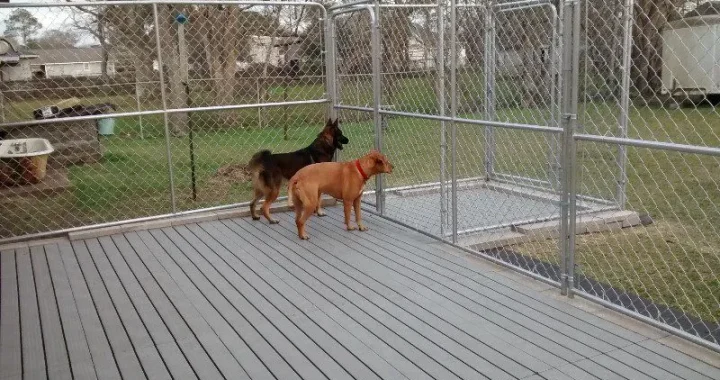
Status Overview: Infrastructure Integrity Report 771-B
Operational efficiency in high-traffic animal shelter environments is contingent upon the structural integrity and sanitary compliance of the flooring subsystem. This report evaluates the performance of various flooring materials, including high-density plastic resin, concrete, and organic substrates. Analysis is conducted based on durability, sanitation, maintenance requirements, and the physical state of resident canine units. System failure is frequently observed in environments utilizing non-specialized surfaces. Data indicates that the selection of flooring directly impacts the operational lifespan of the facility and the physiological status of the inhabitants.
Subsystem 01: Organic Substrates (Dirt and Gravel)
Status: CRITICAL FAILURE
Error Code: BIO-CONTAM-001
In high-traffic shelter environments, dirt and gravel substrates are classified as non-compliant. The following failure points are identified:
- Fluid absorption is continuous, leading to the saturation of the substrate with organic waste.
- Pathogen retention is high; the inability to perform chemical disinfection results in a permanent state of bio-contamination.
- Structural erosion is observed during high-precipitation events, resulting in the formation of mud and pooling of stagnant water.
- Canine unit health is compromised via the transmission of parasites and soil-borne bacteria.
Physical degradation of the environment occurs rapidly under high-volume movement. The removal of solid waste is incomplete due to the porous and irregular nature of the surface. Maintenance cycles are ineffective as the substrate cannot be sanitized. Replacement of organic substrates with non-porous alternatives is required for system restoration.
Subsystem 02: High-Density Solid Surfaces (Unsealed Concrete)
Status: DEGRADED
Error Code: THERM-EXP-004 / POROUS-LEAK-002
Bare concrete is frequently utilized as a primary flooring solution but exhibits significant operational constraints in shelter environments:
- Porosity remains a primary failure mode; urine and cleaning agents are absorbed into the crystalline structure of the concrete, leading to persistent odor emission.
- Thermal conductivity is high; canine units are subjected to extreme temperature fluctuations from the floor surface, leading to physiological stress.
- Surface abrasion is reported; the abrasive nature of concrete causes dermatological wear on the paw pads and joints of resident dogs.
- Chemical degradation is observed following repeated exposure to high-strength disinfectants, leading to surface pitting and cracking.
Sanitation is hampered by the presence of micro-fissures where bacteria proliferate. While durability is high, the comfort metric for long-term residency is recorded as sub-optimal. System maintenance requires periodic resurfacing to mitigate the effects of chemical and physical erosion.
Subsystem 03: Elastomeric Overlays (Rubber Mats)
Status: AT RISK
Error Code: ANAEROBIC-GROWTH-009

Rubber mats are implemented to improve comfort metrics; however, secondary failure modes are identified in high-volume settings:
- Seam integrity is frequently compromised; liquids migrate beneath the mats, creating an anaerobic environment for bacterial growth.
- Maintenance protocols are labor-intensive; total removal of the overlay is required for underlying sanitation, often leading to procedural non-compliance.
- Moisture retention is observed on the surface, increasing the risk of slips and falls for both staff and canine units.
- Odor sequestration occurs within the rubber material itself over time, rendering standard cleaning cycles insufficient.
While rubber provides superior joint protection compared to concrete, the sanitation failures associated with fluid migration under the mats present a significant risk to facility hygiene standards.
Subsystem 04: High-Density Plastic Resin (Kennel Deck)
Status: OPERATIONAL
System ID: KENNEL-DECK-M45
The Kennel Deck system is engineered as a sanitary and comfortable flooring solution for high-traffic environments. Performance data is categorized below:
Technical Specifications and Material Durability
The system is constructed from high-density plastic resin. This material is non-porous and chemically inert. Resistance to degradation from urine, feces, and industrial-grade disinfectants is verified. Physical durability is maintained under constant traffic from canine units and staff personnel. The price point of $45.00 per unit is established as the baseline for the high-density resin configuration.
Sanitation and Drainage Efficiency
A slatted design is utilized to facilitate the immediate transition of fluids from the surface to the subfloor. This "high and dry" configuration ensures that moisture is not retained on the primary contact surface. Air circulation is promoted through the integrated drainage slots, accelerating the drying process following sanitation cycles. Bacterial adherence is minimized by the non-porous surface of the resin.
Maintenance and Operational Utility
Standard maintenance is achieved via high-pressure washing and chemical disinfection. The panels are designed to be protective floor coverings that are easily maneuvered for deep-cleaning protocols. The modular nature of the system allows for the replacement of individual sections without the requirement for total system overhaul.
Canine Comfort and Safety Metrics
The surface is engineered with a non-skid texture to maintain traction in wet conditions. The flat, stable profile provides support for joints and prevents the dermatological wear associated with abrasive surfaces like concrete. Thermal insulation properties of the plastic resin reduce the transfer of cold from the subfloor to the canine unit.
Comparative Performance Matrix (Data Log 882)
| Metric | Organic (Dirt) | Bare Concrete | Rubber Mats | Plastic Resin (Kennel Deck) |
|---|---|---|---|---|
| Sanitation Code | Failure | Degraded | At Risk | Operational |
| Durability Level | Low | High | Moderate | High |
| Ease of Cleaning | Non-existent | Moderate | Low (Under-mat) | High |
| Dog Comfort | Moderate | Low | High | High |
| Odor Control | Zero | Low | Moderate | High |
| System Cost | Variable | High (Initial) | Moderate | $45.00 per unit |
Failure Analysis: Inadequate Drainage and Moisture Retention

System failure in shelters is frequently linked to moisture retention. When fluids are allowed to remain on the flooring surface, the following consequences are logged:
- Increase in ambient humidity within the kennel environment.
- Proliferation of fungal and bacterial colonies.
- Degradation of paw pad health in resident dogs.
- Increase in slip-and-fall incidents during staff operations.
The implementation of the Kennel Deck system addresses these failure points through passive drainage technology. Liquids are redirected via gravity through the slatted interface, maintaining a dry contact zone for the inhabitant.
Operational Constraints and Implementation Requirements
Integration of the Kennel Deck system into an existing facility requires a level subfloor, typically consisting of concrete or a compacted substrate. The interlocking capability of the panels ensures surface stability under high-traffic loads. For high-volume shelters, the system is deployed as a continuous surface to eliminate gaps where debris might accumulate.
Repetitive maintenance cycles are optimized by the drainage features. No specialized tools are required for the installation or removal of the panels. The system is designed for high-density usage and is resistant to the chewing and scratching behaviors common in high-stress shelter environments.
Environmental Stability Report

The high-density plastic resin is UV-stabilized. System performance remains constant under exposure to direct sunlight. No brittle failure or color degradation is observed in outdoor kennel runs. The material does not absorb heat to the same degree as asphalt or concrete, preventing thermal burns on paw pads during high-temperature periods.
Summary of Findings (Final Report)
Data analysis confirms that for high-traffic shelters, the most durable and sanitary configuration involves the use of high-density plastic resin over a solid base. Bare concrete and rubber mats are identified as having significant failure modes related to porosity and bacteria trapping. The Kennel Deck system, priced at $45.00, provides a non-skid, slatted surface that maintains dog health through superior drainage and air circulation.
System status: Recommended.
Maintenance status: Simplified.
Sanitation status: Optimized.
End of Report.