
Common Drainage Problems in Kennels
If kennel drainage is not working well, daily cleanup gets harder fast. Water sits where it should move, odors linger longer than they should, and dogs end up standing on damp surfaces that are harder to keep clean.
These problems show up in home kennels, breeding setups, veterinary spaces, and larger runs. The good news is that most drainage issues come down to a few common flooring mistakes, and once you know what to look for, they are much easier to fix.
Mistake #1: Using Flooring That Holds Moisture
One of the biggest drainage mistakes is using flooring that absorbs or traps moisture instead of letting it move away. Concrete, gravel, and dirt may seem practical at first, but they tend to hold onto urine, rinse water, and organic waste. Even when the surface looks dry, moisture can remain underneath and continue causing odor and sanitation problems.
That is why so many kennel owners find themselves cleaning the same area over and over without really solving the issue. If moisture sinks in, it becomes much harder to wash away completely.

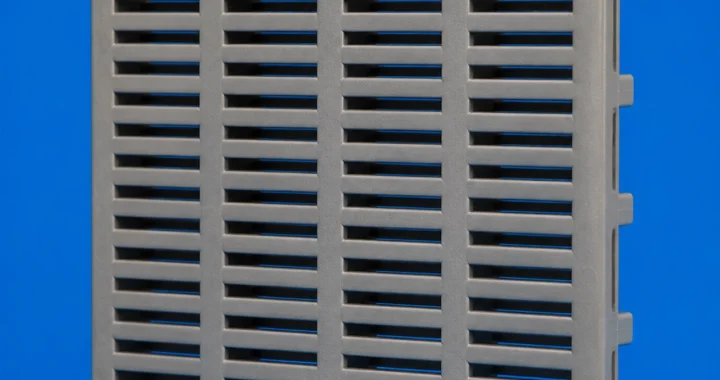
Kennel Deck helps by creating a raised, non-porous surface that does not soak up waste. Instead of letting moisture settle into the floor, it allows it to pass through and away from the standing area, making cleanup more effective and helping the space stay fresher.
Mistake #2: Letting Water Pool Instead of Drain
Another common problem is flat or uneven flooring that allows water to collect in low spots. Once puddles start forming, kennels stay wet longer, cleanup takes more effort, and dogs are left walking through water that should have drained away already.
Even a well-built concrete surface can develop small dips that trap rinse water and waste. That usually means more scrubbing, more squeegeeing, and more time spent trying to dry out the area.
Kennel Deck helps reduce that problem by lifting dogs above the runoff instead of keeping them directly on the wet surface. Water can move below the deck while the top stays flatter, drier, and more comfortable for the dog.
Mistake #3: Forcing Wastewater to Travel Across the Kennel
Drain placement matters more than many people expect. If water has to travel too far across the kennel to reach a drain, it often spreads mess through the run before it ever leaves the space. Hair, debris, and waste can also slow things down and make drainage less reliable during routine washing.

A better setup keeps water moving away from the dog instead of across the area where the dog stands. Kennel Deck supports that by providing open slats and raised clearance underneath, so moisture can pass through the surface rather than collecting around paws during cleanup.
Mistake #4: Keeping Dogs in Contact With Wet Surfaces
The most important drainage issue is also the simplest: dogs should not have to stand or lie on wet flooring. When paws and fur stay in contact with damp, dirty surfaces, the kennel becomes harder to maintain and much less comfortable for the dog.
Raised flooring makes a major difference here. Kennel Deck lifts dogs above the drainage area, giving moisture a place to go while allowing air to circulate underneath.

That means the surface dogs use every day can stay drier, cleaner, and safer under normal kennel conditions. It is an especially helpful upgrade in outdoor runs or humid climates where moisture tends to linger.
How Kennel Deck Solves These Drainage Problems
If you are dealing with repeated drainage issues, the goal is simple: keep dogs up and out of standing moisture while making the kennel easier to clean. That is exactly what the Kennel Deck system is designed to do.
Here is how it helps:
- Non-porous material: Kennel Deck is made from high-density plastic resin, so it will not absorb moisture the way concrete, dirt, or gravel can.
- Raised surface: Each panel creates an elevated platform that keeps dogs high and dry above runoff.
- Open slat design: Liquids can pass through the surface while air continues circulating underneath.
- Stable footing: The flat, non-skid surface gives dogs a more secure place to stand and rest.
- Simple setup: The modular panels can be used in new kennels or added to existing runs without a complicated rebuild.

For many dog owners and kennel operators, that means less standing water, less mess tracked through the run, and less time spent fighting the same cleanup problems day after day. At $45.00 per panel, Kennel Deck offers a practical way to improve both sanitation and comfort without overcomplicating your setup.
Final Thoughts
A lot of kennel drainage problems come back to the same few issues: absorbent flooring, standing water, poor runoff, and too much contact between dogs and wet surfaces. Fix those problems, and the whole kennel becomes easier to manage.
Kennel Deck gives you a simple way to do that by raising dogs above the mess and helping moisture move where it belongs. If you want a cleaner, drier kennel that is easier on dogs and easier on you, it is a smart place to start.