
SYSTEM STATUS: ANIMAL HOUSING FACILITY EVALUATION IN PROGRESS.
REPORT ID: K-DECK-2026-07-01
STATUS: OPERATIONAL
The selection of animal shelter flooring is dictated by strict clinical requirements. Failure to implement appropriate flooring solutions results in systemic failures regarding hygiene and animal welfare. The following technical report outlines ten critical parameters for the evaluation of sanitary dog flooring systems.
01: IMPERMEABILITY AND POROSITY METRICS
The exclusion of porous materials is mandatory for any veterinary kennel flooring system. Porous surfaces, such as unsealed concrete or wood, allow for the absorption of organic waste and fluids. The Kennel Deck system utilizes a high-density plastic resin that is non-porous. Liquid absorption is prevented at the molecular level. This ensures that pathogens cannot be harbored within the flooring substrate. All surfaces must be impermeable to maintain a sterile environment.
02: DRAINAGE PROTOCOLS AND FLUID DYNAMICS
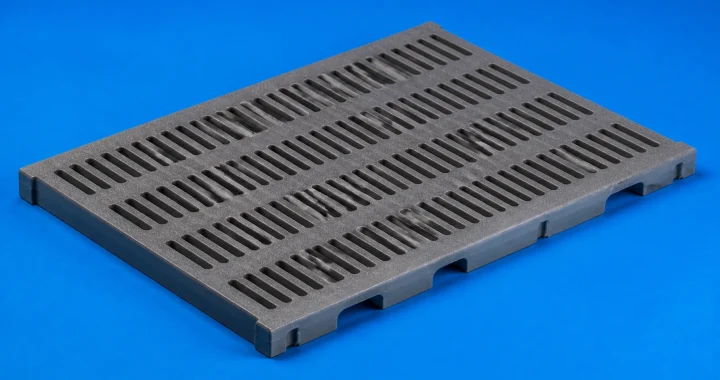
Standing water within a kennel environment is classified as a biological hazard. In animal shelter flooring applications, efficient drainage is required to prevent the cross-contamination of waste. The Kennel Deck system is engineered with a slatted design. Fluids are diverted through the slots immediately upon contact. This "high and dry" mechanism ensures that the canine subject is separated from liquid waste. Proper slope and drainage integration are required for optimal system performance.

03: SURFACE TEXTURE AND TRACTION COEFFICIENTS
Slip-resistance is a primary safety requirement for dog kennel flooring. Smooth surfaces become hazardous when saturated with water or cleaning agents. The Kennel Deck surface is manufactured with a non-skid, flat texture. Traction is maintained during both dry and wet operational cycles. This reduces the risk of musculoskeletal injury to the animal and the facility staff. The integration of a textured surface is a non-negotiable safety standard for all veterinary and shelter environments.
04: JOINT IMPACT MITIGATION AND WEIGHT DISTRIBUTION
Long-term exposure to hard surfaces, such as concrete, is linked to degenerative joint conditions in large breeds. Within a veterinary kennel flooring context, the floor must provide a degree of impact attenuation. The resin material used in Kennel Decks offers a higher flexibility index compared to traditional cement. Weight is distributed across a flat, stable surface. This reduces localized pressure on the paws and joints. Canine comfort is maximized through the use of high-density polymers.

05: PATHOGEN RESISTANCE AND BIOFILM PREVENTION
The prevention of biofilm formation is critical in high-density housing. The Kennel Deck system is designed to withstand repeated exposure to medical-grade disinfectants and cleaning chemicals. Because the material does not degrade or crack, the risk of pathogen colonization is minimized. Standard protocols for sanitation, as outlined by the Association of Shelter Veterinarians (ASV), are easily executed on this surface. Error codes related to infection outbreaks are significantly reduced when non-porous resin systems are implemented.
06: THERMAL CONDUCTIVITY PARAMETERS
Concrete floors act as heat sinks, drawing body heat away from the animal during cold weather cycles. This leads to thermal stress and decreased immune response. Sanitary dog flooring must act as a thermal barrier. The high-density resin panels do not conduct cold like traditional flooring. The canine subject is kept elevated from the subfloor, maintaining a consistent body temperature. Thermal regulation is a core component of biological system stability within the kennel.
07: MODULAR COMPATIBILITY AND INSTALLATION VECTORS
Facility scalability requires a modular approach to infrastructure. The Kennel Deck system consists of panels measuring 2' x 4'. These units are designed to be interlocked or laid side-by-side to accommodate any enclosure size. This modularity allows for the rapid deployment of animal shelter flooring in new or retrofitted facilities. Sections can be removed for deep cleaning of the subfloor without the need for specialized tools.

08: CHEMICAL RESISTANCE AND DEGRADATION LOGS
Shelter environments utilize harsh chemicals for the eradication of parvovirus, distemper, and other infectious agents. Dog kennel flooring must exhibit high chemical resistance. The resins used in the Kennel Deck system are impervious to the acidic nature of animal urine and the caustic nature of bleach-based cleaners. Surface integrity is maintained over thousands of cleaning cycles. System failure due to material erosion is avoided.
09: AIR CIRCULATION AND DRYING INTERVALS
Excess moisture in a kennel environment contributes to respiratory issues and the growth of mold. Air circulation must be maintained beneath the resting surface. The raised design of the Kennel Deck allows for continuous airflow. Drying intervals after cleaning are shortened. The reduction of humidity at the floor level improves the overall atmospheric quality of the veterinary or shelter facility.
10: LONG-TERM LIFECYCLE AND COST ASSESSMENT
Initial capital expenditure for animal shelter flooring must be weighed against long-term maintenance costs. Traditional epoxy coatings require frequent re-application and are subject to peeling and cracking. The Kennel Deck system, priced at $45.00 per unit, provides a durable, long-term solution. The lifecycle of high-density resin exceeds that of many topical coatings. Operational efficiency is increased by reducing the frequency of floor repairs and replacements.

SYSTEM SUMMARY:
The implementation of the Kennel Deck system addresses the ten primary technical constraints of animal housing. By providing a non-porous, raised, and non-skid surface, the system optimizes the health and safety protocols of any modern facility.
For technical specifications and procurement, access the following modules:
- View Kennel Deck Product Details
- Access Installation Photo Gallery
- Enter Online Shop for Inventory Purchase
- Contact System Support for Custom Quotes
END OF REPORT.