
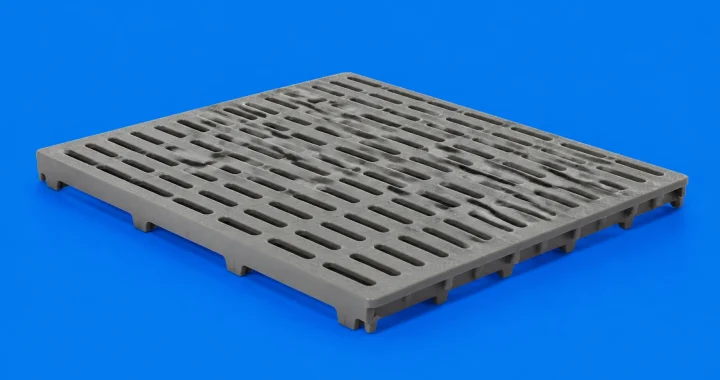
Choosing the right flooring for your dog kennel can make a bigger difference than many people expect. It affects cleanliness, comfort, odor control, and how much time you spend on daily upkeep. If you're deciding between plastic and concrete, the good news is that the comparison is pretty simple once you look at how each one performs in real life.
Concrete has been a common kennel flooring choice for years. It's strong, familiar, and often already in place. But while it seems practical at first, it comes with a few downsides for both dogs and the people caring for them. Concrete is hard on joints, tough on paws, and not always easy to keep fresh and sanitary over time. Even when it looks clean, it can still hold moisture and odors below the surface.
Plastic kennel flooring, especially raised high-density resin systems like Kennel Deck, solves many of those everyday problems. Instead of forcing dogs to stand or lie on a hard slab, it creates a flat, raised surface that helps keep them dry, more comfortable, and easier to care for. For many dog owners, breeders, shelters, and clinics, that makes a noticeable difference right away.
Concrete Kennel Flooring: The Pros and Cons
Concrete does have a few advantages. It's durable, it stays in place, and it can handle heavy use. For large outdoor runs or permanent kennel setups, that can sound appealing. But when you look beyond strength alone, concrete starts to show some real drawbacks.
One of the biggest issues is that concrete is porous. That means urine, water, and messes can soak in, especially if the surface is older or the sealant has worn down. Over time, this can lead to stubborn odors that are hard to remove no matter how often the area is cleaned.
Concrete can also be uncomfortable for dogs. It has no give, so dogs are resting their weight on a hard surface all day. That can be especially rough on senior dogs, large breeds, or dogs with joint issues. In cold weather, concrete gets cold fast. In hot weather, especially outdoors, it can heat up quickly and become uncomfortable on paws.
Another challenge is traction. When wet, concrete can get slick, increasing the chance of slips and falls. That may not seem like a major issue until you have an excited dog running in from outside or an older dog trying to get up after resting.

Plastic Kennel Flooring: Why So Many People Prefer It
Raised plastic flooring is designed with kennel use in mind. Instead of absorbing moisture, it lets liquids pass through and away from the surface. That helps keep dogs high and dry rather than standing in puddles or damp bedding.
With a system like Kennel Deck, the surface is non-porous, so it doesn't absorb urine or trap odor the way concrete can. That alone can make cleaning simpler and help the whole kennel smell fresher.
Comfort is another big advantage. High-density plastic resin has a little more forgiveness than concrete, which makes it easier on a dog's joints and pressure points. Dogs that spend a lot of time in kennels often do better on a surface that isn't rock hard. The molded non-skid texture also gives them better footing, which is helpful for puppies, seniors, and active dogs alike.
Plastic flooring is also more flexible when it comes to setup. It can be installed over existing concrete, gravel, or dirt, and it doesn't require the time, mess, or permanence of pouring a slab. If you ever need to change your kennel layout or move panels around, modular flooring makes that much easier.
Plastic vs. Concrete: Side-by-Side
Here’s the simple version:
| Feature | Concrete | Plastic Kennel Flooring |
|---|---|---|
| Comfort | Very hard on joints and pressure points | More comfortable for standing and resting |
| Odor Control | Can absorb urine and hold smells | Non-porous and easier to keep fresh |
| Drainage | Water can pool unless the slope is perfect | Liquids pass through the surface |
| Traction | Can become slippery when wet | Non-skid surface helps dogs keep footing |
| Temperature | Gets very hot or cold depending on weather | More comfortable than bare concrete |
| Cleaning | Often takes more scrubbing and drying time | Faster cleanup and easier maintenance |
| Installation | Permanent and labor-intensive | Modular and easier to install |
Which One Is Better for Dogs?
If the main goal is simply having a hard surface that lasts, concrete can do the job. But if the goal is giving dogs a cleaner, drier, safer, and more comfortable kennel, plastic flooring is usually the better option.
That matters even more if you're caring for multiple dogs, older dogs, recovering dogs, or dogs that spend long hours in a kennel. A raised plastic surface helps reduce contact with moisture, supports cleaner conditions, and gives dogs a better place to stand and rest.

Which One Is Better for You?
This choice isn't only about the dogs. It's also about how much work your kennel creates for you.
Concrete often means more scrubbing, more odor control effort, and more frustration when moisture sticks around. If drainage isn't just right, puddles can become a regular problem. And once concrete starts holding smells, it can be difficult to fully fix.
Plastic kennel flooring is easier to manage day to day. Because waste and water move through the surface instead of sitting on top of it, cleanup is quicker and the kennel stays drier. That can save time every single day, which adds up fast whether you're caring for one dog or a full kennel.
Final Verdict
When comparing plastic vs. concrete for dog kennels, plastic comes out ahead for comfort, cleanliness, drainage, and ease of maintenance. Concrete may be common, but it isn't always the most dog-friendly option.
A raised resin system like Kennel Deck gives dogs a flat, non-skid place to stand and rest while helping keep the kennel cleaner and drier. If you're looking for a kennel floor that's easier on dogs and easier on you, plastic is the better choice.

Whether you're upgrading one run or improving an entire facility, choosing the right flooring can make everyday kennel care a whole lot easier.