
SYSTEM STATUS: EVALUATION OF CANINE HOUSING SUBSTRATES
The selection of flooring materials for canine containment systems is a critical factor in the maintenance of biological health and operational hygiene. Two primary substrates are commonly utilized: traditional concrete and elevated high-density plastic resin. This report provides a comparative analysis of these materials based on physiological impact, pathogen proliferation risks, and thermal regulation parameters. Data indicates that substrate choice directly influences the longitudinal health status of the subject.
SUBSTRATE ANALYSIS: CONCRETE POROSITY AND PATHOGEN RETENTION
Concrete is characterized by high porosity and a propensity for structural degradation over time. In a kennel environment, the porous nature of unfinished concrete allows for the absorption and retention of organic waste, including urine and fecal matter. This absorption creates a reservoir for bacterial growth and pathogen proliferation. When moisture is introduced during cleaning cycles, the substrate remains saturated for extended durations. This continuous moisture retention leads to increased humidity levels and the development of mold and mildew within the enclosure.
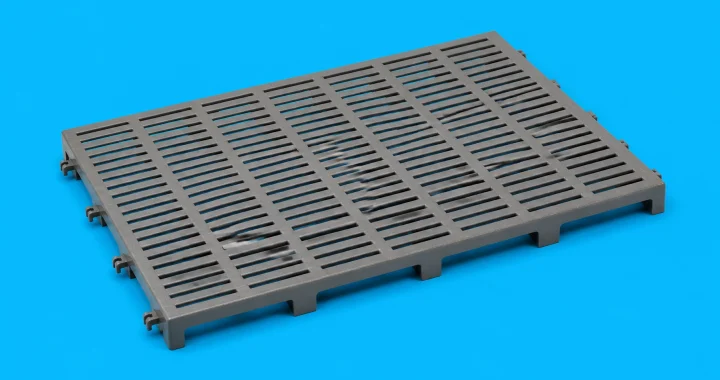
In contrast, the Kennel Deck system utilizes a non-porous high-density plastic resin. This material is engineered to resist the absorption of fluids and organic contaminants. Because the resin is non-absorbent, the risk of pathogen colonization within the flooring material is effectively neutralized. The surface remains chemically inert, ensuring that sanitization protocols are executed with maximum efficacy.

INTERFACE EVALUATION: JOINT DEGRADATION PARAMETERS
The hardness of the containment floor is a primary variable in the assessment of musculoskeletal health. Concrete is an unforgiving surface with zero shock absorption capacity. Prolonged exposure to concrete surfaces is associated with accelerated joint degradation, particularly in larger canine breeds and geriatric subjects. Stress is transmitted directly through the limbs into the joints, potentially resulting in chronic mobility impairment and inflammatory responses.
The elevated Kennel Deck flooring provides a flat, non-skid surface that mitigates certain risks associated with bare concrete. While the resin itself is a durable industrial material, the modular design and slight flex of the raised panels provide a modified interface between the subject and the ground. This elevation facilitates a reduction in direct pressure points. Furthermore, the non-skid texture of the resin minimizes the risk of slip-and-fall injuries, which are common on sealed or wet concrete surfaces. Maintenance of stable footing is a prerequisite for the prevention of acute musculoskeletal trauma.

THERMAL AND MOISTURE LOGISTICS: AIR CIRCULATION PROTOCOLS
Temperature regulation is maintained through the management of thermal conductivity. Concrete acts as a thermal sink, absorbing and retaining ambient cold or heat. During periods of low temperature, concrete surfaces can induce hypothermic stress in subjects by drawing body heat away through conduction. Conversely, in high-temperature environments, concrete can retain heat, contributing to hyperthermic risk.
The utilization of a raised plastic flooring system implements a "high and dry" protocol. The slatted design of the panels allows for continuous air circulation beneath the subject. This airflow facilitates the regulation of surface temperature and accelerates the evaporation of residual moisture. Subjects remain "high and dry," separated from the dampness of the subfloor. This separation is vital for the prevention of skin infections and pododermatitis, conditions frequently observed in subjects housed on permanently damp concrete. Air circulation is a key mechanical requirement for a sanitary environment.

OPERATIONAL MAINTENANCE: SANITIZATION EFFICIENCY
The efficiency of sanitization procedures is dictated by the drainage capabilities of the flooring substrate. Concrete floors require precise sloping to achieve even marginal drainage. Improperly graded concrete leads to the pooling of contaminated water, which necessitates manual intervention via squeegeeing. This process is labor-intensive and often fails to remove all residual pathogens from the porous surface.
The $45.00 Kennel Deck panels are engineered for superior drainage. Liquids and small debris pass through the integrated slots in the high-density resin, effectively removing waste from the immediate environment of the dog. This design allows for the washing of the subfloor without disturbing the subject or requiring their removal from the enclosure. The result is a consistent sanitary status that is difficult to achieve with traditional concrete. By automating the separation of waste from the subject, the operational status of the kennel remains optimized.

SYSTEM OPTIMIZATION: FINAL EVALUATION
Based on the technical data provided, the implementation of a raised high-density plastic resin flooring system is superior to bare concrete for the maintenance of canine health. Concrete demonstrates significant failures in the areas of porosity, pathogen retention, and thermal regulation. The "high and dry" capabilities of the Kennel Deck provide a localized environment that supports joint health, skin integrity, and overall biological safety.
The following technical specifications define the Kennel Deck advantage:
- Material: High-density plastic resin.
- Surface Type: Non-skid, flat.
- Drainage: Integrated slatted design.
- Health Outcome: Enhanced joint protection and moisture reduction.
- Cost Parameter: $45.00 per section.
Operational efficiency is increased through the reduction of manual cleaning requirements and the elimination of drying delays. The system ensures that the subject remains in a sanitary and comfortable state, detached from the deleterious effects of concrete substrates.