
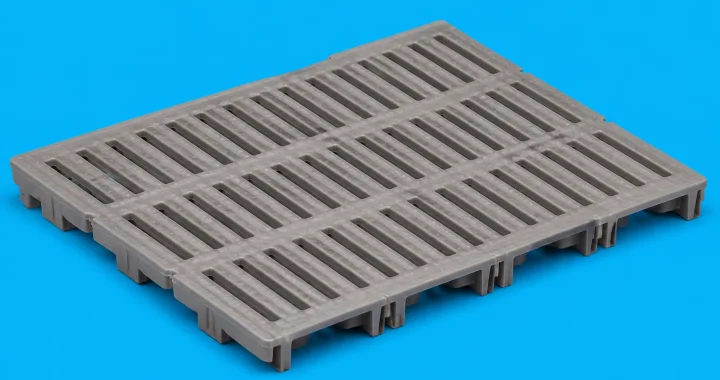
A Closer Look at Plastic Kennel Flooring and Concrete
When you're choosing flooring for a kennel, run, or dog enclosure, comfort matters just as much as cleanliness and durability. This comparison looks at plastic kennel flooring and concrete with a focus on your dog's joints, day-to-day hygiene, and long-term upkeep.
1. Joint Comfort and Everyday Impact
Concrete is hard and unforgiving. When a dog stands, shifts weight, lies down, or jumps on and off the floor throughout the day, that impact goes right back into the body. Over time, that can be especially tough on joints, including the hips, elbows, and hocks.
- Hardness matters. Concrete has no real cushion, so it offers very little relief for dogs spending long periods in kennels or runs.
- Cold surfaces can add to discomfort. Because concrete holds and transfers cold easily, it can feel uncomfortable underfoot and may be harder on dogs already dealing with stiffness or joint soreness.
- Why plastic flooring helps. Plastic kennel flooring offers a bit of give under pressure. That small amount of flexibility can help reduce impact and create a more comfortable standing and resting surface.

2. Traction and Safer Movement
Good footing is a big part of keeping dogs comfortable and reducing strain on their bodies. If a floor is too slick or too rough, it can create problems either way.
- Sealed concrete can get slippery. When water is present, sealed concrete may become slick, which increases the chance of slipping and scrambling for footing.
- Rough concrete has its own downside. A rougher finish may improve traction, but it can also be abrasive on paw pads, especially for dogs that spend a lot of time walking, turning, or standing in one space.
- Why raised dog flooring stands out. The Kennel Deck system has a molded, non-skid surface designed to help dogs keep steady footing, even when the area gets wet. That means better traction, more confident movement, and less risk of slip-related strain.
3. Cleanliness, Drainage, and Paw Health
Flooring doesn't just affect comfort. It also plays a major role in how clean and dry a kennel stays.
- Concrete absorbs more than it seems. Because concrete is porous, it can soak up urine, cleaning products, and other messes. That can make odors harder to remove and deep cleaning more difficult over time.
- Moisture can linger. After washing, concrete often stays damp longer than expected. Constant exposure to wet surfaces can be hard on paws and skin.
- Why drainage matters. Plastic kennel flooring is non-porous, so it doesn't absorb waste or moisture. The slatted design of the Kennel Deck panels allows liquids to drain away while air continues to circulate underneath, helping keep dogs cleaner and drier.

4. Practical Use and Everyday Convenience
Beyond comfort and cleanliness, it also helps to choose flooring that works well for your setup and is easy to manage over time.
| Feature | Concrete Installation | Plastic Resin System |
|---|---|---|
| Porosity | High (Absorbent) | Zero (Non-absorbent) |
| Impact Absorption | 0% | Engineered Resiliency |
| Drainage Speed | Dependent on Slope | Immediate (Slatted Design) |
| Portability | Static | Modular / Reconfigurable |
| Surface Temperature | Conductive (Cold/Hot) | Insulative Properties |
5. Long-Term Maintenance and Durability
Concrete can wear down over time, especially in outdoor or frequently cleaned kennel spaces.
- Cracks can become a problem. Changes in temperature and repeated use can lead to cracking, which creates places for dirt, moisture, and bacteria to collect.
- Cleaning takes more effort. Concrete often needs more scrubbing and more aggressive cleaning to stay sanitary, especially once stains and odors settle in.
- Plastic flooring is easier to maintain. Raised dog flooring made from high-density resin won't absorb moisture, and it won't crack the way concrete can. It can be cleaned with standard hose-down maintenance, and the slatted design helps waste move through to the drainage area below.

Final Thoughts
When the goal is better joint support, cleaner conditions, and easier upkeep, plastic kennel flooring has some clear advantages over concrete.
- Joint comfort: A more forgiving surface helps reduce repeated impact on hips, elbows, and hocks.
- Safer footing: A non-skid surface can help prevent slips and awkward movement.
- Better hygiene: Good drainage helps keep dogs up and away from standing moisture and mess.
- Strong value: At a unit price of $45.00, the Kennel Deck system offers a practical alternative to pouring and sealing concrete.
For dog owners, breeders, shelters, and kennel operators, the right flooring can make a real difference in daily comfort and long-term care.