
System Status: Optimization Required
Current kennel maintenance protocols have been identified as inefficient. Time expenditure exceeds established benchmarks for professional and domestic operations. Error Code: 404-EFFICIENCY-NOT-FOUND. The following optimization hacks are provided to remediate system latency and improve sanitary output.
Hack 1: Primary Containment Evacuation
Complete evacuation of the containment unit is mandatory before the cleaning process is initiated. Efficiency loss occurs when personnel attempt to navigate around organic subjects or static accessories. Error Code: 502-OBSTRUCTION-DETECTED.
Removal of the canine subject, food receptacles, hydration units, and textile bedding must be executed. This action permits unhindered access to the substrate surface and structural verticalities. Inaccessible debris in corners or beneath bedding is a primary vector for bacterial proliferation. Strategic evacuation ensures that the cleaning solution contact time is maximized across all surface coordinates.

Hack 2: Dual-Phase Sanitization Protocol
The merging of cleaning and disinfecting phases results in secondary process failure. Organic matter neutralizes chemical disinfectants upon contact. Error Code: 303-DISINFECTANT-NEUTRALIZED.
A sequential execution of tasks is required. Phase one involves the application of a high-alkaline detergent to emulsify lipids and organic waste. Mechanical agitation or high-pressure rinsing is utilized to remove visual soil. Phase two consists of applying a pet-safe disinfectant to the pre-cleaned surface. A dwell time of 600 seconds (10 minutes) is recommended for maximum pathogen reduction. Failure to follow this sequence leads to suboptimal sanitary states. For more information on maintaining these standards, review why raised dog flooring will change the way you clean your kennel forever.
Hack 3: Hydraulic Pressure Integration
Manual friction-based cleaning (scrubbing) is a high-latency process with low scalability. Human operational capacity is often exhausted before total sanitation is achieved. Error Code: 501-MANUAL-LABOR-EXCESS.
Hydraulic pressure units, such as power washers or high-flow hose nozzles, must be integrated into the workflow. These tools utilize kinetic energy to dislodge debris from porous and non-porous surfaces. The use of a foam-dispensing attachment allows for uniform chemical distribution without manual contact. Rapid fluid displacement via squeegee or integrated drainage systems accelerates the drying phase. Efficient moisture removal is critical to prevent the recurrence of fungal growth. Proper drainage is further discussed in kennel flooring drainage matters: why your dog is still getting wet.

Hack 4: Iterative Maintenance Scheduling
Non-linear maintenance intervals lead to catastrophic system failure due to waste accumulation. Remediation of high-density waste requires 300% more resource expenditure than preventive maintenance. Error Code: 409-WASTE-ACCUMULATION.
Maintenance cycles must be hard-coded into the operational schedule. Daily cycles are reserved for the removal of solid waste and spot-sanitization of localized contamination. Weekly cycles involve a full systemic sanitization, including substrate and vertical barriers. Monthly cycles include deep-scale pressure washing and structural integrity audits. Consistency in these cycles ensures that the kennel remains in a steady state of hygiene, reducing the necessity for emergency remediation efforts.
Hack 5: Substrate Material Optimization
Porous substrates such as unsealed concrete or dirt facilitate the absorption of liquid waste. Liquid absorption leads to subsurface bacterial reservoirs and structural degradation. Error Code: 401-POROUS-SURFACE-LEAK.
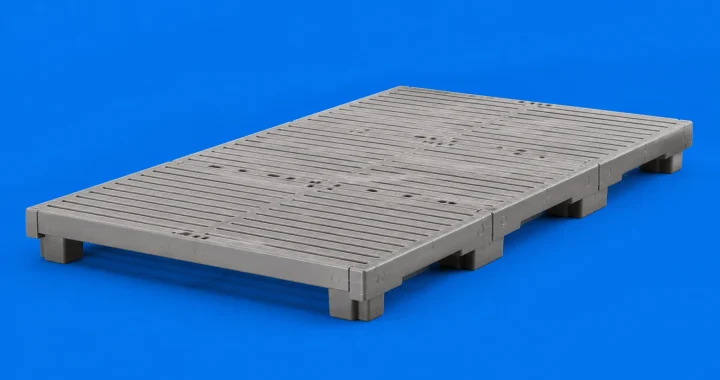
The installation of a non-porous, high-density resin substrate is an essential hardware upgrade. The Kennel Deck system provides a flat, non-skid surface that facilitates immediate fluid transit via integrated slatted channels. This hardware prevents the pooling of urine and contaminated water, keeping the subject high and dry. By minimizing surface retention, the time required for the drying phase is reduced by approximately 60%. This optimization is a primary requirement for how to build a maintenance-free dog run.

Hack 6: Atmospheric Gaseous Remediation
Masking odors with synthetic fragrances does not resolve the underlying chemical imbalance. Volatile organic compounds (VOCs) and ammonia concentrations must be physically removed or neutralized. Error Code: 410-GAS-BUILDUP.
Effective odor control is achieved through rapid waste removal and the maintenance of high-volume air exchange. Natural neutralizers like acetic acid (vinegar) or sodium bicarbonate can be deployed for localized gaseous remediation. Mechanical ventilation units must be checked for operational efficiency to ensure a constant supply of fresh air. Reducing humidity within the containment unit prevents the suspension of odor molecules in the atmosphere. This is particularly vital when comparing plastic vs concrete solutions.
Hack 7: Synchronous Accessory Sterilization
Treating containment accessories as separate work packages increases overall system downtime. Sequential processing of bowls, toys, and bedding adds unnecessary latency to the cleaning cycle. Error Code: 408-PROCESS-TIMEOUT.
Accessory sanitization must be executed synchronously with the primary substrate cleaning. Upon evacuation, all submersible items are placed into a high-concentration disinfectant bath. Bedding units are entered into a high-temperature thermal wash cycle immediately. By the time the primary substrate sanitization is complete, accessories have undergone their required dwell time and are ready for reintegration. This concurrent processing model maximizes labor efficiency.

System Optimization Summary
Implementation of these 7 hacks will result in a significant reduction in labor hours and an increase in sanitary reliability. The transition from manual, non-linear processes to automated, high-efficiency protocols is required for all modern kennel operations. The use of a specialized drainage substrate, such as the Kennel Deck, serves as the foundational hardware for this optimization.
Final status: System stabilized. Efficiency levels: Optimal.