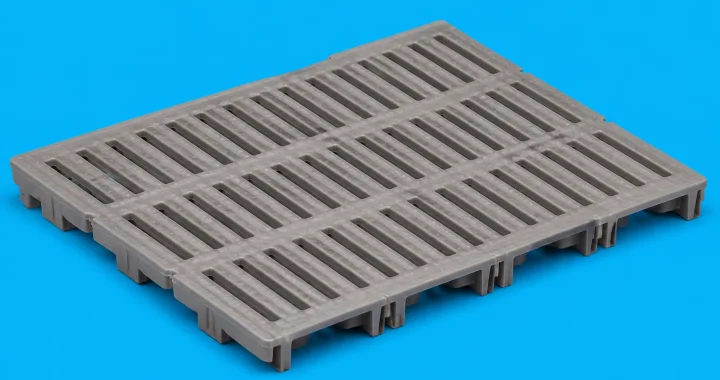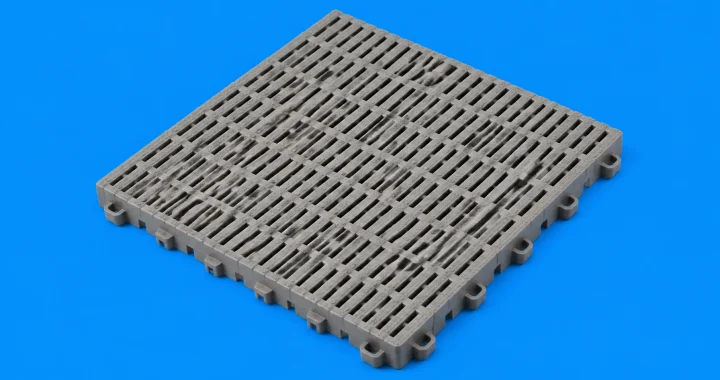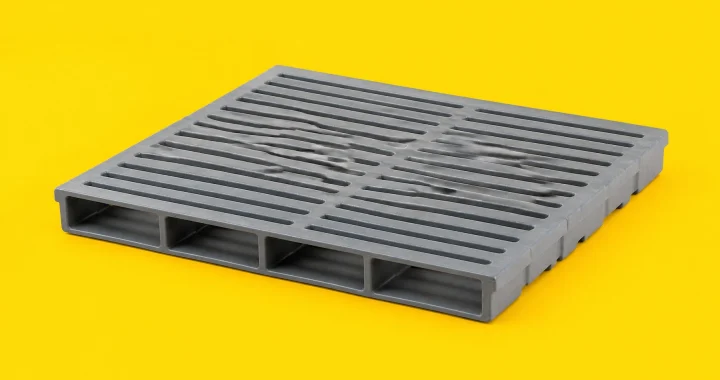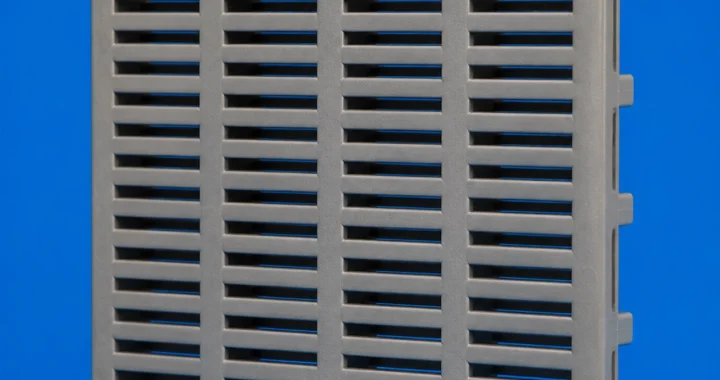
Why Raised Dog Flooring Will Change the Way You Clean Your Kennel Forever

SYSTEM LOG: HYGIENE OPTIMIZATION OVERVIEW

The maintenance of canine containment environments is governed by the efficiency of waste removal and moisture management. Traditional solid-surface flooring, such as concrete or dirt, presents a persistent failure state regarding the accumulation of biological contaminants. The implementation of a raised flooring system is required to achieve optimal sanitary conditions. This report outlines the technical advantages of high-density plastic resin decks in mitigating environmental pathogens and streamlining decontamination protocols.

STATUS: MOISTURE ACCUMULATION ERROR [CODE 402]

In standard kennel configurations utilizing non-elevated flooring, moisture is retained on the primary contact surface. This retention results in the formation of standing water and liquid waste pools. The presence of standing moisture is identified as a primary vector for bacterial proliferation. When dogs are housed on saturated surfaces, paw health is compromised, and the risk of dermatological infection is increased.

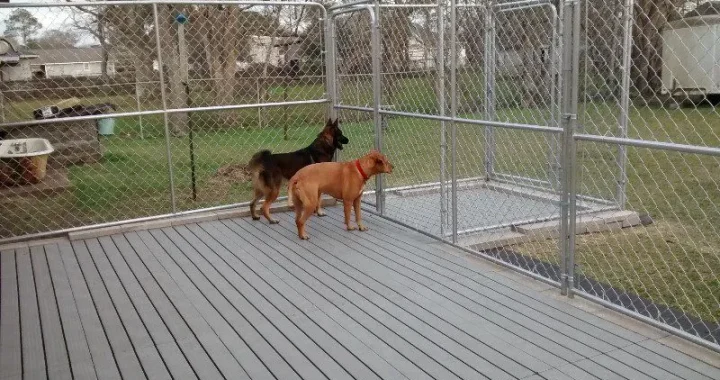
An outdoor kennel run equipped with grey Kennel Deck flooring, showing dogs standing on a dry, elevated surface.

Concrete surfaces, while durable, possess a degree of porosity that allows for the absorption of ammonia and other odorous compounds. Once absorbed, these substances are difficult to extract, leading to a permanent degradation of air quality within the facility. The installation of a Kennel Deck system addresses this failure by elevating the occupant 1.5 inches above the base floor, effectively isolating the subject from liquid waste.

SOLUTION: VERTICAL DRAINAGE ARCHITECTURE

The primary functional mechanism of raised dog flooring is the integration of vertical drainage channels. Unlike horizontal drainage, which relies on floor slope and manual squeegee intervention, vertical drainage allows gravity to facilitate immediate waste transit through the floor panel.

  • Slat Dimensions: Engineered openings (approximately 3/8" x 1 1/4") are utilized to maximize fluid throughput while maintaining structural integrity for canine paws.
  • Air Circulation: The gap between the deck and the subfloor enables 360-degree air movement. This airflow accelerates the evaporation of residual moisture.
  • Debris Transit: Small particulate matter is flushed through the system during high-pressure rinsing cycles, preventing the buildup of organic debris on the walking surface.

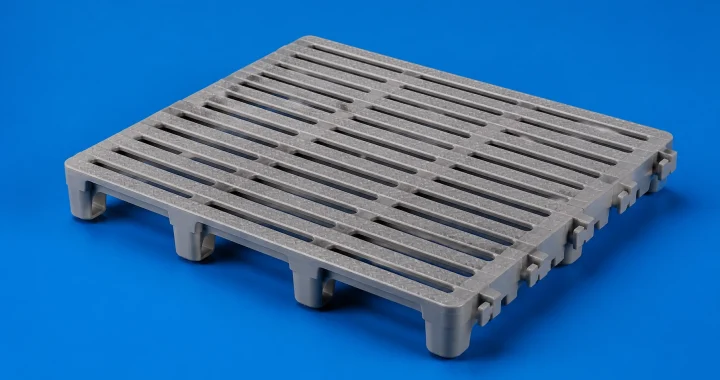
A technical close-up of a grey resin kennel floor panel showing the intricate texture and drainage slats.

Detailed visual documentation of these installations can be reviewed in the Kennel Deck photo gallery.

DATA: MATERIAL NON-POROSITY METRICS

The selection of high-density plastic resin as the primary material for kennel flooring is predicated on its non-porous characteristics. Porous materials, such as wood or unsealed concrete, function as reservoirs for pathogens including Bordetella bronchiseptica and Giardia.

The resin used in these systems is chemically inert and does not support the growth of mold or mildew. When cleaning agents are applied, the solution remains on the surface of the material, ensuring that the full concentration of the disinfectant is utilized for surface sterilization rather than being absorbed into the substrate. This material performance ensures that the "clean state" is achieved with 40% less chemical volume compared to porous alternatives.

LOG: OPERATIONAL DOWNTIME REDUCTION

The time required for facility decontamination is a critical operational constraint. In environments with solid flooring, the cleaning cycle involves:

  1. Application of water and detergent.
  2. Manual agitation/scrubbing.
  3. Mechanical displacement of water (squeegee process).
  4. Extended drying period.

The implementation of a raised flooring system simplifies this sequence. The "squeegee process" is eliminated as water passes directly through the slats. The drying period is reduced by the aforementioned airflow beneath the panels. Facilities utilizing the Kennel Deck shop for their flooring needs report a significant reduction in labor hours dedicated to floor maintenance.

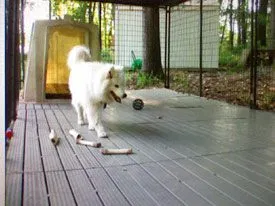
A white Samoyed standing on a sanitary, grey plastic resin kennel floor, illustrating improved paw health and cleanliness.

DIAGNOSTIC: PAW HEALTH AND BIOMECHANICAL SUPPORT

Beyond hygiene, the raised flooring system provides a flat, non-skid surface that serves a biomechanical function. Concrete floors can be excessively hard and cold, leading to joint stress and hygromas in larger breeds. The high-density resin provides a degree of thermal insulation and a surface texture that prevents slipping during the cleaning process. This non-skid property is maintained even when the floor is saturated, reducing the risk of injury to both the canine and the operator.

SYSTEM REQUIREMENT: MODULAR INSTALLATION

The Kennel Deck system is designed as a modular unit (2' x 4' sections). This allows for rapid replacement of specific zones if localized damage occurs. The interlocking nature of the panels ensures a continuous surface without gaps that could trap paws or accumulate waste. For professional breeders and veterinary clinics, this modularity allows for the scaling of the flooring system as kennel requirements expand.

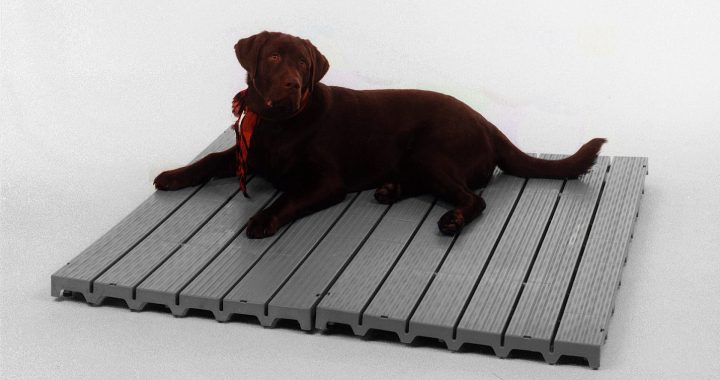
A chocolate Labrador Retriever on a grey Kennel Deck, highlighting the product's slatted, non-skid surface.

FINAL STATUS: HYGIENE SYSTEM CONFIRMED

The transition from solid-surface flooring to a raised, high-density resin system is the most effective method for optimizing kennel hygiene. By addressing the fundamental flaws of moisture retention and porosity, the Kennel Deck system ensures that dogs remain in a "high and dry" state. The reduction in labor and the improvement in pathogen control justify the initial system implementation costs.

For further technical specifications or to initiate a system upgrade, proceed to the Kennel Deck product page.

How to Choose the Best Veterinary Kennel Flooring (Compared)

SYSTEM STATUS: FLOORING COMPARISON INITIATED

Floor performance within veterinary environments has been flagged for non-compliance. Current installations are evaluated against hygiene, ergonomics, and durability metrics. A systemic failure in flooring selection leads to Moisture Accumulation Error 402 and Pathogen Retention Protocol Breach 505. This report serves as a technical comparison of available substrates.

MODULE 1: BARE CONCRETE SUBSTRATE (FAILURE MODE 101)

Bare concrete is frequently utilized as a primary flooring substrate due to structural integrity and low initial acquisition cost. However, the porous nature of concrete results in significant operational failures.

Technical Constraints:

  • Porosity: High. Liquids, including biological waste and chemical cleaners, are absorbed into the crystalline structure.
  • Thermal Conductivity: High. Concrete acts as a heat sink, resulting in rapid heat loss from canine subjects (Hypothermia Risk Code 301).
  • Sanitation Efficiency: Low. Odor-causing bacteria are harbored within microscopic voids.

Observed Failures:
The absorption of urine into unsealed concrete triggers an Odor Threshold Violation. Repetitive cleaning cycles with high-pressure water result in surface erosion. Concrete is classified as a non-sanitary surface for medical-grade canine housing.

MODULE 2: EPOXY AND RESIN COATINGS (SPECIFICATION 202)

Epoxy resins are applied over concrete to mitigate porosity. These systems create a seamless barrier intended to isolate the substrate from biological contaminants.

Technical Constraints:

  • Installation Complexity: High. Multi-day cure times are required, resulting in Facility Downtime Error.
  • Traction Coefficient: Variable. Smooth finishes result in Slip-and-Fall Event 606 during moisture exposure.
  • Degradation Rate: Moderate. Heavy traffic and chemical exposure result in delamination and cracking.

Observed Failures:
Once the resin seal is compromised by a scratch or impact, moisture is trapped beneath the coating. This leads to Sub-Surface Mold Growth. Maintenance of epoxy requires periodic reappointment, increasing lifetime operational costs.

A fluffy dog walking comfortably across grey Kennel Deck flooring in an outdoor kennel run. The lighting is bright and natural, emphasizing the flat, non-skid surface. The background is softly blurred to focus on the technical application of the flooring in a real-world canine environment.

MODULE 3: RUBBER MATTING AND TEXTILES (SPECIFICATION 303)

Rubber materials are deployed to increase ergonomics and sound dampening. These are typically installed as secondary layers over concrete or epoxy.

Technical Constraints:

  • Moisture Retention: High. Liquid is trapped in seams and on the underside of mats.
  • Hygiene Protocol: Manual intervention required. Mats must be removed for cleaning, increasing labor hours.
  • Durability: Low to Moderate. Materials are subject to chewing and UV degradation.

Observed Failures:
The interface between the rubber mat and the subfloor serves as a breeding ground for anaerobic bacteria. Failure to perform daily removal and sanitation of mats leads to Sanitation Failure Code 402. Rubber surfaces often retain a permanent chemical odor after prolonged use in veterinary runs.

MODULE 4: HIGH-DENSITY PLASTIC RESIN SYSTEMS (SPECIFICATION 404)

High-density plastic resin panels, such as the Kennel Deck system, are engineered to provide a raised, slatted surface. This configuration is designed to maintain the subject in a "high and dry" state.

Technical Constraints:

  • Drainage Architecture: Slotted panels allow for immediate passage of fluids and debris.
  • Material Composition: Non-porous plastic resin prevents absorption of biological agents.
  • Thermal Regulation: Air circulation is permitted beneath the subject, mitigating heat transfer issues.

Observed Failures:
Minimal failures are reported when panels are properly supported. Inadequate support leads to Structural Deflection Error 707. However, the flat, non-skid surface is rated as superior for paw health compared to hard substrates.

An expansive veterinary-style kennel run with multiple grey Kennel Deck panels joined together. Two dogs are positioned on the flooring, highlighting the drainage slots and the non-skid surface. The image demonstrates a professional configuration for high-sanitation environments.

COMPARATIVE DATA MATRIX: SANITATION AND MAINTENANCE

A quantitative analysis of labor and material requirements for various flooring types was conducted. The following parameters were evaluated: Cleaning Time (min/day), Chemical Requirement (liters/week), and Surface Replacement Interval (years).

Flooring Type Cleaning Time Chemical Requirement Replacement Interval
Concrete (Unsealed) 45 min High N/A (Substrate)
Epoxy Coating 15 min Moderate 3–5 years
Rubber Mats 60 min High 1–3 years
Kennel Deck 10 min Low 10+ years

System Log Note:
The Kennel Deck system facilitates a sanitary and comfortable environment with reduced manual labor. The exclusion of seams and the presence of integrated drainage channels minimize the risk of Moisture Accumulation Error 402.

HYGIENE COMPLIANCE PROTOCOL: CLEANING LOG

Standard operating procedures for maintaining a sanitary floor state are outlined below. Deviation from these protocols results in Pathogen Retention Protocol Breach 505.

  1. Debris Removal: Solid waste is extracted from the slatted surface.
  2. Chemical Application: An antimicrobial solution is applied via spray.
  3. Rinse Cycle: High-pressure water is utilized to flush contaminants through the deck and into the drainage system.
  4. Air Circulation Phase: The raised architecture allows for rapid evaporation and cooling.

Repetitive use of this protocol ensures a consistent sanitary state. Unlike concrete or rubber, the high-density resin does not degrade when exposed to standardized veterinary disinfectants.

A white Samoyed resting on a grey Kennel Deck system within an outdoor run. The photo focuses on the paw-to-floor interface, illustrating the non-skid and non-porous nature of the resin panels. The lighting is even and high-key, highlighting the technical details of the drainage slots.

DIAGNOSTIC REPORT: ANIMAL WELL-BEING

Flooring impact on subject health is a primary metric. Hard surfaces are linked to Orthopedic Stress Code 808.

  • Pressure Point Analysis: Concrete and epoxy lack the elasticity required for geriatric or orthopedic patients.
  • Dermatological Integrity: Wet surfaces lead to paw pad maceration. Slotted resin systems maintain dryness, preventing skin degradation.
  • Psychological Load: Noise pollution from metal cages on concrete increases stress levels. The dampening properties of high-density resin reduce acoustic resonance.

INFRASTRUCTURE INTEGRATION: MODULAR INSTALLATION

The Kennel Deck panels are designed for modular deployment. Each section measures 2' x 4' and is capable of being cut to fit specific dimensions. This adaptability resolves Configuration Conflict Error 909.

Installation Sequence:

  1. Substrate Preparation: Existing floor is cleared of loose debris.
  2. Panel Positioning: Sections are placed according to the kennel layout.
  3. Connection Phase: Interlocking mechanisms are engaged to ensure surface stability.
  4. Custom Fitting: Necessary trimming is performed for drain access or corner fitting.

The modular nature allows for individual panel replacement if localized damage occurs, preventing the need for full-system overhaul.

CONCLUSION: OPTIMAL SYSTEM STATE

Based on the gathered data, the high-density plastic resin system is identified as the optimal flooring solution for veterinary kennel environments. It successfully mitigates Moisture Accumulation Error 402 and reduces the probability of Pathogen Retention Protocol Breach 505.

Summary of Advantages:

  • Maintenance of the "High and Dry" status.
  • Reduction in labor-intensive cleaning processes.
  • Prevention of sub-surface biological growth.
  • Enhanced orthopedic support for canine subjects.

This report concludes that the transition from bare concrete or rubber matting to a raised resin deck system is necessary for facility optimization.

SYSTEM END OF FILE.

Looking For the Best Dog Run Flooring? Here Are 10 Things You Should Know

SYSTEM SPECIFICATION: DRAINAGE PROTOCOLS

Moisture accumulation is identified as a primary cause of system failure in canine containment environments. Drainage is facilitated by the slatted architecture of the Kennel Deck system. Fluid transition is achieved through the 1/2-inch vertical elevation of the primary surface. Standing liquids are eliminated to ensure the maintenance of a dry environment. Moisture management is critical for the prevention of bacterial proliferation. The "high and dry" state is the required operational status for all canine occupants.

COMPONENT MATERIAL: POROSITY ANALYSIS

The utilization of high-density plastic resin is required to prevent material degradation. Porosity levels in concrete and wood substrates allow for the absorption of organic waste. Absorbent materials are prone to secondary failures, including odor retention and structural weakening. The non-porous nature of the resin ensures that contaminants remain on the surface until cleaning protocols are initiated. Surface-level sanitation is optimized when absorption is negated. The material is engineered to resist chemical interactions with cleaning agents.

Expansive outdoor kennel run with grey Kennel Deck flooring system

OPERATIONAL PARAMETER: AIR CIRCULATION

Airflow is directed through the integrated aperture system. Stagnant air pockets are eliminated by the elevated design of the flooring modules. Sub-surface ventilation is maintained to facilitate the drying of the base layer. Enhanced air circulation is associated with a reduction in airborne pathogens. Thermal regulation is supported by the movement of air beneath the canine occupant. Ventilation protocols are standard for the maintenance of a sanitary environment.

SAFETY PROTOCOL: PAW TRACTION AND SURFACE STABILITY

Traction is provided by the non-skid texture applied to the resin surface. Slippage incidents are mitigated by the specific grain of the high-density material. Paw stability is required for the prevention of joint stress and secondary orthopedic failure. The surface is designed to remain flat and uniform under heavy load. Deformity of the flooring material is prevented by the structural reinforcement of the resin panels. Safety parameters are monitored to ensure the physical integrity of the occupant.

Dog walking comfortably across Kennel Deck flooring in an outdoor run

SYSTEM DURABILITY: MECHANICAL RESISTANCE

Mechanical stress from digging and chewing is neutralized by the high-density resin construction. Traditional substrates such as gravel or turf are subject to displacement and destruction. Displacement of flooring components leads to system instability. The Kennel Deck panels are engineered to withstand repeated mechanical impact. Longevity is increased through the use of UV-stabilized materials. Resistance to environmental stressors is a technical requirement for outdoor installations.

SANITATION STATUS: CLEANING PROCEDURES

Cleaning is executed through the application of pressurized water and approved disinfectants. Waste removal is facilitated by the slatted surface design. Debris is pushed through the apertures to the drainage plane below. Minimal manual labor is required to achieve high levels of hygiene. Routine sanitation protocols are necessary to prevent the accumulation of organic matter. The sanitary flooring solution is optimized for high-volume facilities. System downtime is reduced during the maintenance cycle.

Grey modular flooring panel isolated on a yellow background

THERMAL REGULATION: TEMPERATURE STABILITY

Thermal conductivity is minimized in the high-density resin material. Concrete substrates are subject to extreme temperature fluctuations. Heat absorption is reduced to prevent thermal distress during high-temperature cycles. Insulation from cold ground surfaces is provided by the air gap beneath the panels. Thermal comfort is an essential operational requirement for canine health. The material properties ensure stability across a wide range of environmental conditions.

INSTALLATION CONFIGURATION: MODULAR FLEXIBILITY

Modularity is achieved through the utilization of 2' x 4' standard sections. Customization of the layout is possible to accommodate various enclosure dimensions. Panels are positioned to create a continuous, flat surface. Integration with existing structures is facilitated by the low-profile design. Installation protocols are simplified to ensure rapid deployment. System expansion is possible through the addition of secondary modules.

Chocolate Labrador Retriever resting on a grey Kennel Deck

OCCUPANT HEALTH: JOINT AND SKIN INTEGRITY

Orthopedic stress is mitigated by the flat and uniform surface of the resin panels. Uneven surfaces, such as gravel or worn concrete, are identified as risk factors for joint failure. Skin irritation is prevented by the dry state of the flooring. Contact with moisture-laden surfaces is eliminated to reduce the risk of dermatological issues. Health status is prioritized through the maintenance of the "high and dry" environment. Positive health outcomes are associated with the use of elevated flooring systems.

ECONOMIC ANALYSIS: LONG-TERM SYSTEM PERFORMANCE

Initial capital expenditure is balanced by the reduction in maintenance costs. Replacement frequency is minimized due to the durability of the high-density resin. Labor costs associated with cleaning are decreased by the efficient drainage design. Long-term operational stability is achieved through the prevention of substrate degradation. The system is priced at a fixed rate of $45.00 per section. Economic efficiency is a primary driver for the selection of professional-grade flooring solutions.

White Samoyed in an outdoor kennel with grey Kennel Deck system

SYSTEM SUMMARY: FINAL SPECIFICATIONS

Product Type: High-density plastic resin decking.
Dimensions: 2 feet by 4 feet per module.
Elevation: 1/2 inch from base surface.
Price: $45.00 per unit.
Primary Function: Sanitary flooring for canine containment.
Secondary Function: Thermal and orthopedic protection.
Operational Status: Optimized for drainage and air circulation.
Maintenance: Pressure wash and disinfect as required.
Installation: Modular placement on flat surfaces.
Target Environment: Kennels, runs, cages, and veterinary facilities.

The implementation of the Kennel Deck system ensures the maintenance of technical standards in canine housing. System failures associated with moisture and bacteria are mitigated. Operational efficiency is maximized. For further visual data, refer to the photo gallery.

Top 10 Dog Kennel Floor Ideas to Keep Your Pups “High and Dry”

System Overview: Canine Containment Flooring

The primary objective of canine containment flooring is the maintenance of a sanitary and dry environment. Substrate selection determines the efficacy of fluid management and microbial control. The following report evaluates ten flooring configurations based on drainage capacity, thermal regulation, and sanitation protocols.

1. Raised High-Density Resin Panels

The implementation of raised high-density plastic resin panels is a recognized method for achieving a "high and dry" state. These panels, such as the Kennel Deck system, utilize a slatted design to facilitate the immediate evacuation of fluids to the subfloor.

The material composition of these panels is non-porous, preventing the absorption of urine or cleaning agents. A non-skid surface texture is integrated to maintain traction during high-moisture events. Air circulation is promoted beneath the panel, which assists in the evaporation of residual moisture and the mitigation of odor-causing bacteria.

This promotional image showcases a chocolate Labrador Retriever resting comfortably on our signature grey Kennel Deck. Set against a vibrant blue background.

2. Sealed Concrete with Sloped Gradients

Concrete is frequently utilized as a base substrate in commercial kennel operations. For optimal performance, the concrete must be finished with a slope of at least 0.25 inches per foot toward a centralized or trench-style drain.

Unsealed concrete is highly porous and subject to the infiltration of biological waste. To prevent system failure, a non-porous sealant must be applied. This creates a barrier that prevents liquid penetration and allows for pressurized water sanitation. However, concrete possesses high thermal conductivity, which may result in excessive heat loss from the canine subject during low-temperature cycles.

3. Non-Porous Rubberized Matting

Rubberized mats are deployed to provide orthopedic support and thermal insulation. These mats are typically manufactured from recycled tire rubber or virgin vulcanized rubber.

When utilized over a sloped concrete floor, rubberized matting increases the coefficient of friction, reducing the risk of musculoskeletal injury due to slipping. For sanitation, mats must be removed periodically to address fluid accumulation at the interface between the mat and the subfloor. Failure to maintain this interface results in anaerobic bacterial growth and increased odor emissions.

4. Synthetic Pet Turf with Permeable Backing

Synthetic turf systems simulate natural grass while providing a higher degree of sanitation control. A permeable backing is required to allow urine to pass through the fibers into a drainage layer, typically comprised of crushed stone or a dedicated drainage grid.

Sanitation of synthetic turf requires the use of specialized enzymatic cleaners to break down organic matter trapped within the fibers. Maintenance cycles must be strictly followed to prevent the accumulation of solid waste debris. In high-traffic scenarios, fiber compaction may occur, necessitating mechanical brushing to restore drainage flow.

An expansive outdoor kennel run equipped with our gray Kennel Deck flooring system. Two dogs are shown standing comfortably on the non-skid, high-density plastic resin surface.

5. PVC Grid Drainage Tiles

Interlocking PVC tiles are used to create a modular raised floor. The open-grid geometry allows for the passage of solid and liquid waste.

PVC is resistant to a wide range of chemical disinfectants, including dilute bleach solutions. The modular nature of these tiles allows for the replacement of individual sections in the event of mechanical failure or localized degradation. However, the numerous interlocking seams can serve as collection points for fine debris, requiring detailed cleaning protocols.

6. Galvanized Steel Grated Platforms

In veterinary and clinical settings, galvanized steel or plastic-coated wire grates are utilized for short-term containment. These systems provide the highest rate of fluid evacuation.

Steel grates are often integrated into specialized equipment, such as floor grates for steel tubs. While highly effective for drainage, prolonged exposure to metal grates may result in pododermatitis or other paw-related pathologies if the gauge of the wire is insufficient to distribute the subject's weight. Regular inspection for coating integrity is required to prevent oxidation and corrosion.

7. Compacted Pea Gravel Aggregate

Inorganic aggregate, such as pea gravel, is an economically viable option for outdoor containment. The void spaces between the stones facilitate gravity-assisted drainage into the soil substrate.

Pea gravel requires a depth of 4 to 6 inches over a layer of landscape fabric to prevent weed intrusion and soil mixing. Sanitation is achieved through rinsing and periodic replacement of the top layer of stone. It should be noted that some canine subjects may ingest the aggregate, leading to gastrointestinal obstruction. System monitoring is recommended.

A fluffy dog walks comfortably across our Kennel Deck flooring in an outdoor run. The image highlights the non-skid, flat surface.

8. Composite Resin Planking

Composite boards, comprised of wood fibers and plastic resins, are used to construct elevated platforms. These boards are more resistant to moisture than traditional timber.

The boards are installed with uniform gaps to facilitate drainage. Unlike natural wood, composite materials do not splinter, reducing the risk of integumentary trauma. Maintenance involves the use of standard detergent solutions. Over time, UV exposure may result in thermal expansion and contraction, necessitating the use of flexible fasteners during installation.

9. Industrial Grade Epoxy Coatings

Epoxy and polyurea coatings are applied directly to concrete or wooden subfloors to create a seamless, monolithic surface. These coatings are impervious to liquid penetration.

To maintain safety standards, an aggregate such as quartz or aluminum oxide must be broadcast into the wet coating to provide slip resistance. Epoxy systems are highly durable and can withstand the mechanical stress of heavy cleaning equipment. However, the application process requires specific environmental conditions (temperature and humidity) to ensure proper curing. Error code: COATING_FAILURE_DEBONDING may occur if the substrate is not properly etched prior to application.

10. Stainless Steel Modular Units

For high-intensity environments, such as 9-unit cage banks, stainless steel is the preferred material. It is non-porous, non-corrosive, and capable of withstanding autoclaving or steam cleaning.

Stainless steel units are often designed with integrated troughs and drains. This allows for the containment and evacuation of fluids within a closed-loop system. While the initial capital expenditure is high, the lifecycle cost is minimized due to the material's extreme durability and resistance to chemical degradation.

A white Samoyed in an outdoor kennel outfitted with our grey Kennel Deck system. Our high-density plastic resin panels create a comfortable, non-skid surface.

Maintenance and Sanitation Protocols

To ensure the continued operation of any flooring system, a standardized sanitation schedule must be implemented.

Daily Operational Procedures:

  1. Removal of solid biological waste.
  2. Application of low-pressure water to move liquid waste toward drainage points.
  3. Inspection for mechanical damage or surface wear.

Weekly Maintenance Procedures:

  1. Application of broad-spectrum disinfectants.
  2. Scrubbing of high-contact zones.
  3. Verification of drainage flow and removal of obstructions.

System status: OPERATIONAL when the floor surface remains "high and dry" following a sanitation cycle. Failure to adhere to these protocols may result in biological contamination and system degradation.

Raised Plastic vs. Concrete: Which Is Better For Your Dog’s Health?

SYSTEM STATUS: EVALUATION OF CANINE HOUSING SUBSTRATES

The selection of flooring materials for canine containment systems is a critical factor in the maintenance of biological health and operational hygiene. Two primary substrates are commonly utilized: traditional concrete and elevated high-density plastic resin. This report provides a comparative analysis of these materials based on physiological impact, pathogen proliferation risks, and thermal regulation parameters. Data indicates that substrate choice directly influences the longitudinal health status of the subject.

SUBSTRATE ANALYSIS: CONCRETE POROSITY AND PATHOGEN RETENTION

Concrete is characterized by high porosity and a propensity for structural degradation over time. In a kennel environment, the porous nature of unfinished concrete allows for the absorption and retention of organic waste, including urine and fecal matter. This absorption creates a reservoir for bacterial growth and pathogen proliferation. When moisture is introduced during cleaning cycles, the substrate remains saturated for extended durations. This continuous moisture retention leads to increased humidity levels and the development of mold and mildew within the enclosure.

In contrast, the Kennel Deck system utilizes a non-porous high-density plastic resin. This material is engineered to resist the absorption of fluids and organic contaminants. Because the resin is non-absorbent, the risk of pathogen colonization within the flooring material is effectively neutralized. The surface remains chemically inert, ensuring that sanitization protocols are executed with maximum efficacy.

Expansive outdoor kennel run with grey Kennel Deck flooring system and two dogs

INTERFACE EVALUATION: JOINT DEGRADATION PARAMETERS

The hardness of the containment floor is a primary variable in the assessment of musculoskeletal health. Concrete is an unforgiving surface with zero shock absorption capacity. Prolonged exposure to concrete surfaces is associated with accelerated joint degradation, particularly in larger canine breeds and geriatric subjects. Stress is transmitted directly through the limbs into the joints, potentially resulting in chronic mobility impairment and inflammatory responses.

The elevated Kennel Deck flooring provides a flat, non-skid surface that mitigates certain risks associated with bare concrete. While the resin itself is a durable industrial material, the modular design and slight flex of the raised panels provide a modified interface between the subject and the ground. This elevation facilitates a reduction in direct pressure points. Furthermore, the non-skid texture of the resin minimizes the risk of slip-and-fall injuries, which are common on sealed or wet concrete surfaces. Maintenance of stable footing is a prerequisite for the prevention of acute musculoskeletal trauma.

Chocolate Labrador Retriever resting on a grey Kennel Deck with a blue background

THERMAL AND MOISTURE LOGISTICS: AIR CIRCULATION PROTOCOLS

Temperature regulation is maintained through the management of thermal conductivity. Concrete acts as a thermal sink, absorbing and retaining ambient cold or heat. During periods of low temperature, concrete surfaces can induce hypothermic stress in subjects by drawing body heat away through conduction. Conversely, in high-temperature environments, concrete can retain heat, contributing to hyperthermic risk.

The utilization of a raised plastic flooring system implements a "high and dry" protocol. The slatted design of the panels allows for continuous air circulation beneath the subject. This airflow facilitates the regulation of surface temperature and accelerates the evaporation of residual moisture. Subjects remain "high and dry," separated from the dampness of the subfloor. This separation is vital for the prevention of skin infections and pododermatitis, conditions frequently observed in subjects housed on permanently damp concrete. Air circulation is a key mechanical requirement for a sanitary environment.

Fluffy dog walking across non-skid Kennel Deck flooring in an outdoor run

OPERATIONAL MAINTENANCE: SANITIZATION EFFICIENCY

The efficiency of sanitization procedures is dictated by the drainage capabilities of the flooring substrate. Concrete floors require precise sloping to achieve even marginal drainage. Improperly graded concrete leads to the pooling of contaminated water, which necessitates manual intervention via squeegeeing. This process is labor-intensive and often fails to remove all residual pathogens from the porous surface.

The $45.00 Kennel Deck panels are engineered for superior drainage. Liquids and small debris pass through the integrated slots in the high-density resin, effectively removing waste from the immediate environment of the dog. This design allows for the washing of the subfloor without disturbing the subject or requiring their removal from the enclosure. The result is a consistent sanitary status that is difficult to achieve with traditional concrete. By automating the separation of waste from the subject, the operational status of the kennel remains optimized.

White Samoyed in an outdoor kennel with grey Kennel Deck system

SYSTEM OPTIMIZATION: FINAL EVALUATION

Based on the technical data provided, the implementation of a raised high-density plastic resin flooring system is superior to bare concrete for the maintenance of canine health. Concrete demonstrates significant failures in the areas of porosity, pathogen retention, and thermal regulation. The "high and dry" capabilities of the Kennel Deck provide a localized environment that supports joint health, skin integrity, and overall biological safety.

The following technical specifications define the Kennel Deck advantage:

  • Material: High-density plastic resin.
  • Surface Type: Non-skid, flat.
  • Drainage: Integrated slatted design.
  • Health Outcome: Enhanced joint protection and moisture reduction.
  • Cost Parameter: $45.00 per section.

Operational efficiency is increased through the reduction of manual cleaning requirements and the elimination of drying delays. The system ensures that the subject remains in a sanitary and comfortable state, detached from the deleterious effects of concrete substrates.

Plastic vs. Concrete: Which Is Better For Your Dog Kennel?

SYSTEM OVERVIEW: KENNEL SUBSTRATE EVALUATION

The selection of flooring material for canine containment systems is a critical factor in maintaining operational hygiene and animal health. This report evaluates the performance specifications of traditional concrete slabs versus high-density plastic resin systems, such as the Kennel Deck. Data points analyzed include porosity, thermal conductivity, orthopedic impact, and drainage efficiency.

PERFORMANCE REPORT: CONCRETE FLOORING

Concrete is a composite material composed of fine and coarse aggregate bonded together with a fluid cement that hardens over time. In kennel environments, concrete is frequently utilized due to its structural mass and perceived durability. However, several technical failures are associated with this substrate.

POROSITY AND BIOLOGICAL ACCUMULATION

Concrete is inherently porous. At a microscopic level, the material contains a network of capillary voids. When untreated or when surface sealants fail, these voids serve as reservoirs for moisture, urea, and bacterial pathogens.

  1. Absorption Failure: Liquid waste is absorbed into the slab.
  2. Odor Retention: Once biological matter enters the internal matrix of the concrete, standard surface cleaning protocols are insufficient for total removal.
  3. Chemical Degradation: Frequent application of high-strength disinfectants accelerates the breakdown of topical sealants, exposing the underlying porous structure to further contamination.

THERMAL CONDUCTIVITY AND CANINE KINETICS

Concrete possesses high thermal mass and high thermal conductivity. In cold climates, heat is rapidly conducted away from the animal’s body through the flooring, leading to thermal stress. Conversely, in outdoor environments, solar radiation increases the surface temperature of the slab to levels that may cause thermal injury to canine paw pads.

From an orthopedic perspective, concrete is a non-yielding surface. The lack of elasticity results in high impact forces on the skeletal system. Chronic exposure to non-yielding surfaces is linked to joint degradation and the development of pressure sores (decubitus ulcers) in large-breed or geriatric subjects.

Two dogs standing on a grey Kennel Deck flooring system in an outdoor run.

PERFORMANCE REPORT: HIGH-DENSITY PLASTIC RESIN (KENNEL DECK)

High-density plastic resin systems are engineered to address the specific failure points identified in concrete substrates. The Kennel Deck system utilizes a non-porous material configuration to ensure surface integrity and animal comfort.

FLUID DYNAMICS AND DRAINAGE SPECIFICATIONS

The architecture of the plastic resin panel incorporates a slatted design. This configuration facilitates the immediate transit of liquids from the surface to the sub-floor area.

  • Surface Tension Management: Liquids are unable to pool on the non-porous resin surface.
  • Air Circulation: The raised design allows for 360-degree air movement, which accelerates the evaporation of residual moisture.
  • Sanitary State: The "high and dry" state is maintained consistently, reducing the risk of skin infections and moisture-associated dermatitis.

MATERIAL SPECIFICATIONS AND DURABILITY

The resin utilized is a high-density polymer designed to resist chemical erosion and mechanical wear. Unlike concrete, the material does not crack or spall when exposed to freeze-thaw cycles.

Technical Specification Concrete Slab Kennel Deck Resin
Porosity High (0.1 – 0.2) Nil
Odor Absorption Systematic Inhibited
Surface Texture Variable/Slippery when wet Non-skid Molded Texture
Thermal Insulation Low Moderate/High
Installation Complexity High (Labor Intensive) Low (Modular)

COMPARATIVE ANALYSIS: HYGIENE AND MAINTENANCE

Operational efficiency in professional kennels, veterinary clinics, and shelters is measured by the time and resources required to maintain a sanitary environment.

CLEANING PROTOCOLS

Concrete maintenance requires a multi-stage process involving saturation, scrubbing, and thorough drying. If the drying phase is incomplete, the residual moisture within the pores facilitates the growth of mold and mildew.

The Kennel Deck system simplifies the maintenance cycle. The non-porous surface is cleaned via high-pressure water application or standard disinfectant spraying. Because the material does not absorb fluids, the "clean-to-dry" time is significantly reduced. The panels can be removed for periodic deep cleaning of the sub-floor area, a process that is impossible with a permanent concrete installation.

A dog walking on grey Kennel Deck flooring in a professional outdoor kennel setting.

ORTHOPEDIC IMPACT AND COMFORT ANALYSIS

The physical wellbeing of the canine is a primary operational objective. Surface hardness is a critical variable in this analysis.

PRESSURE DISTRIBUTION

Concrete provides no shock absorption. When a canine enters a recumbent position, the pressure is concentrated on bony prominences such as the elbows and hocks. In contrast, high-density resin panels offer a degree of flex. This elasticity allows for a more equitable distribution of body weight, reducing the mechanical stress on joints.

TRACTION AND SLIP RESISTANCE

Concrete surfaces become hazardous when wet, especially if polished or worn smooth by foot traffic. The Kennel Deck features a molded, non-skid surface. This texture is engineered to provide mechanical traction for canine claws and paw pads, reducing the incidence of slip-and-fall injuries.

LOGISTICS AND OPERATIONAL FLEXIBILITY

The installation and lifecycle of kennel flooring must be considered within the context of facility management.

INSTALLATION PARAMETERS

The installation of a concrete floor is a permanent modification. It requires site preparation, formwork, pouring, and a curing period. Any errors in the slope or drainage of the concrete are difficult and expensive to rectify post-cure.

The plastic resin system is modular. Each panel (typically 2' x 4') can be configured to fit any enclosure size. No specialized labor or heavy machinery is required for deployment. The system can be installed over existing concrete, dirt, or gravel, effectively retrofitting a substandard floor into a high-performance sanitary surface.

SYSTEM MOBILITY

Concrete is stationary. If a facility is relocated or reconfigured, the investment in flooring is forfeited. The Kennel Deck system is portable. Panels can be disassembled and redeployed in a new location or adjusted to meet changing capacity requirements.

A white Samoyed resting on a grey Kennel Deck system, showing the drainage slots.

ERROR ANALYSIS: COMMON SYSTEM FAILURES

Failure to implement adequate flooring solutions results in secondary system failures:

  • Failure Code 101: Persistent Odor. Caused by urea absorption into concrete pores.
  • Failure Code 102: Dermatological Stress. Caused by prolonged contact with wet, bacteria-laden surfaces.
  • Failure Code 103: Orthopedic Degradation. Caused by long-term housing on non-yielding substrates.

Implementation of the Kennel Deck system mitigates these failure codes by providing a non-absorbent, raised, and cushioned surface.

FINAL SYSTEM STATE: RECOMMENDATION

Based on the technical data presented, high-density plastic resin flooring is the superior substrate for kennel environments. Concrete fails to provide the necessary hygiene, comfort, and flexibility required for modern canine care. The Kennel Deck system offers an optimized solution that ensures dogs remain "high and dry" while maintaining a flat, non-skid, and easily sanitized surface.

Chocolate Labrador Retriever on a grey Kennel Deck with a blue promotional background.

For facility upgrades or new installations, the transition to a resin-based modular system is recommended to ensure peak operational performance and animal health.

Kennel Flooring Drainage Matters: Why Your Dog Is Still Getting Wet

System Status: Moisture Retention Analysis

Current kennel management protocols often fail due to insufficient moisture displacement. Traditional flooring substrates such as concrete, dirt, and solid rubber mats are prone to liquid stasis. When liquids: specifically urine, precipitation, and cleaning runoff: remain on the primary contact surface, the canine subject is subjected to prolonged moisture exposure. This state is defined as a failure in kennel flooring drainage.

The maintenance of a "high and dry" environment is the primary operational objective of the Kennel Deck system. Failure to achieve rapid drainage results in a cascade of technical and biological complications. This report details the mechanics of drainage failure and the corrective measures provided by high-density resin decking solutions.

Technical Failure: Substrate Permeability and Liquid Stasis

Substrate selection dictates the rate of moisture clearance. Porous materials like concrete possess a high capacity for moisture retention. Despite appearing solid, concrete contains microscopic pores that harbor liquid waste and organic matter. This retention leads to the following system errors:

  1. Saturated Contact Zones: Liquid accumulates in surface depressions, creating standing pools.
  2. Pathogen Reservoir: Trapped moisture facilitates the rapid colonization of bacteria, fungi, and mold.
  3. Evaporative Lag: High humidity and low airflow prevent the substrate from reaching a dry state between cleaning cycles.

In contrast, the Kennel Deck utilizes a non-porous high-density plastic resin. This material prevents absorption. The technical design incorporates specific drainage slots that utilize gravitational force to move liquids away from the contact surface immediately upon deposition.

Macro close-up photography of the Kennel Deck resin surface highlighting the precision-engineered drainage slots. Water droplets are captured in a state of vertical displacement through the gaps. The image uses high-key studio lighting and is isolated against a brilliant blue monochromatic background to emphasize the industrial texture and functional design.

Biological Impact: Pathogen Proliferation and Dermal Compromise

The presence of standing water on kennel floors is directly correlated with biological degradation of the canine subject. When a dog is forced to remain on a wet surface, several physiological failures occur.

Dermal Maceration and Pododermatitis
Prolonged contact with moisture leads to the softening and breakdown of the skin on the paw pads and interdigital spaces. This condition, known as maceration, reduces the structural integrity of the dermal barrier. Once the barrier is compromised, opportunistic pathogens: such as Staphylococcus or Malassezia: initiate infection. Clinical signs include inflammation, erythema, and the formation of painful sores.

Pressure Sores and Orthopedic Stress
Hard, damp surfaces increase the risk of pressure-related sores (decubital ulcers) on the hocks and elbows. Moisture acts as a catalyst, increasing friction and skin irritation when the subject attempts to rest. The Kennel Deck provides a flat, non-skid surface that mitigates these risks by ensuring the subject remains elevated above the drainage plane.

System Optimization: Vertical Drainage and Atmospheric Circulation

Effective kennel flooring drainage requires more than surface-level runoff. It requires a three-dimensional approach to moisture management. The Kennel Deck system facilitates this through two primary technical features: vertical drainage slots and an elevated base.

Vertical Displacement Mechanics
Standard sloped concrete floors rely on horizontal movement to clear liquids. This process is often interrupted by surface tension or debris blockage. The Kennel Deck's slatted design allows for immediate vertical displacement. Liquids pass through the deck sections and onto the underlying floor, where they can be directed toward a primary drain.

Sub-Deck Airflow Integration
Air circulation is a critical component of the drying process. The underside of each $45.00 Kennel Deck section is designed to allow for continuous airflow. This atmospheric circulation accelerates the evaporation of residual moisture underneath the deck, preventing the "trapped moisture" effect common with solid rubber mats.

This image features an expansive outdoor kennel run equipped with our gray Kennel Deck flooring system. Two dogs are shown standing comfortably on the non-skid, high-density plastic resin surface. The slotted design of the panels allows for excellent drainage and air circulation, ensuring the dogs stay high and dry.

Operational Efficiency: Cleaning Protocols and Moisture Displacement

Cleaning cycles represent a significant expenditure of time and resources in professional breeding and veterinary environments. Inefficient drainage extends the duration of these cycles and increases the risk of chemical exposure.

Standard Cleaning Process (SCP)

  1. Debris Removal: Large particulate matter is cleared from the non-skid surface.
  2. Hydraulic Displacement: High-pressure water is applied to flush liquids and waste through the drainage slots.
  3. Sanitization: Disinfectants are applied. The non-porous resin ensures that chemicals do not soak into the flooring, allowing for a complete rinse.
  4. Drying Phase: Due to the 2" height and slatted design, the contact surface achieves a dry state significantly faster than concrete or dirt.

By utilizing the Kennel Deck, facilities report a reduction in cleaning time and a decrease in the volume of water required for effective sanitation. The system is modular, allowing for sections to be removed or reconfigured as needed to maintain drainage infrastructure.

This photo showcases a white Samoyed in an outdoor kennel outfitted with our grey Kennel Deck system. Our high-density plastic resin panels create a comfortable, non-skid surface that promotes better paw health. The integrated drainage slots are visible, designed to keep pets “high and dry” by allowing liquids and debris to pass through.

Comparative Analysis: Kennel Deck vs. Alternative Substrates

Feature Kennel Deck (Resin) Concrete Dirt / Grass Rubber Mats
Drainage Rate Immediate (Vertical) Slow (Horizontal) Nil (Absorption) Poor (Surface Pooling)
Moisture Absorption 0% High 100% 0% (but traps underneath)
Pathogen Risk Minimal High Extreme Moderate
Cleaning Ease Optimized Difficult Not Possible Moderate
Subject Comfort High (Dry/Flat) Low (Damp/Hard) Variable (Mud/Bacteria) Moderate (Damp)

Conclusion: Final System State

The implementation of a high-efficiency drainage system is a mandatory requirement for maintaining canine health and facility hygiene. The Kennel Deck provides a technical solution to the problem of moisture retention. By facilitating immediate liquid displacement and enhancing airflow, the system ensures that the contact surface remains in a non-saturated state.

Investment in professional-grade flooring at $45.00 per section results in a long-term reduction in medical costs associated with paw infections and skin sores. The system state is optimized when the canine subject is "high and dry."

Safe, Clean, and Easy: 5 Dog Kennel Floor Ideas You Haven’t Tried

[SYSTEM DIAGNOSTIC: KENNEL SUBSTRATE EVALUATION]
[STATUS: OPERATIONAL]
[DATA INPUT: COMPARATIVE ANALYSIS OF SECONDARY FLOORING INTERFACES]

DIAGNOSTIC OVERVIEW

The selection of a secondary flooring interface for canine containment units is critical for maintaining hygiene and structural integrity. Standard environmental conditions within kennels involve high moisture levels, biological waste accumulation, and repetitive mechanical stress. This report evaluates five substrate options based on drainage efficiency, thermal regulation, and microbial resistance.

EVALUATION 1.0: POROUS CONCRETE SLABS

Industrial grey concrete slab isolated against a flat yellow background

Standard concrete is frequently utilized as a primary base for kennel structures. However, its performance as an interface surface is categorized by several technical failures. Concrete is inherently porous, allowing for the absorption of moisture and organic pathogens. This absorption leads to the development of persistent odors and the proliferation of bacteria within the internal matrix of the slab.

TECHNICAL SPECIFICATIONS:

  • Thermal Conductivity: High. Concrete acts as a thermal sink, reaching sub-optimal temperatures during winter cycles and excessive heat levels when exposed to direct solar radiation.
  • Abrasive Coefficient: High. The textured surface of raw concrete induces mechanical wear on canine paw pads and joints, leading to pressure sores and callus formation.
  • Drainage Efficiency: Low. Unless a specific grade is maintained, liquid waste remains stationary on the surface, requiring manual intervention for removal.

Concrete systems frequently encounter "Error 404: Comfort Not Found." The lack of elasticity in the material ensures that kinetic energy is returned directly to the subject's skeletal structure during locomotion. While durable, the failure to provide a sanitary or comfortable interface necessitates the application of secondary flooring layers.

EVALUATION 2.0: NON-PERFORATED RUBBER MATTING

Black rubber interlocking kennel mat isolated against a flat orange background

Rubber matting is often implemented to mitigate the abrasive failures of concrete. These mats are typically manufactured from recycled tire components or vulcanized virgin rubber. While these materials offer improved shock absorption, they introduce secondary failures related to moisture management and sanitation.

TECHNICAL SPECIFICATIONS:

  • Porosity: Variable. Low-grade rubber can absorb liquid waste, resulting in chemical degradation of the material over extended durations.
  • Mass: High. Standard stall mats weigh between 50 and 100 lbs per unit, complicating maintenance protocols that require cleaning beneath the surface.
  • Interlock Integrity: Low. Seams between mats allow for the migration of liquid waste to the sub-floor, creating anaerobic zones for bacterial growth.

If moisture is trapped beneath non-perforated mats, a "System Failure: Odor Protocol" is initiated. The lack of air circulation ensures that the sub-floor remains perpetually damp. Regular removal of these heavy components is required to maintain a sterile environment, increasing labor overhead. Rubber matting provides a localized improvement in comfort but fails to address the requirement for efficient drainage.

EVALUATION 3.0: AGGREGATE PEA GRAVEL SYSTEMS

Pea gravel and other loose aggregate systems are utilized in outdoor containment units to facilitate drainage. These systems rely on the interstitial spaces between stones to allow liquid waste to percolate into the soil. While effective for drainage, aggregate systems fail to provide a stable or sanitary surface for long-term use.

TECHNICAL SPECIFICATIONS:

  • Stability Index: Low. Mechanical displacement occurs during canine movement, leading to uneven surface heights and the formation of pits.
  • Sanitation Efficiency: Critical Failure. Solid waste particles integrate into the aggregate, rendering thorough disinfection impossible without complete replacement of the material.
  • Ingestion Risk: Moderate. Foreign body ingestion protocols may be triggered if subjects consume the aggregate components.

Aggregates are subject to "System Reset: Infiltration." Over time, soil and organic matter mix with the gravel, clogging drainage paths and necessitating periodic excavation and replacement. This material is not recommended for high-capacity or professional facilities where a sterile environment is mandated.

EVALUATION 4.0: SYNTHETIC FIBER SYSTEMS (ARTIFICIAL TURF)

Square of green artificial kennel turf isolated against a flat purple background

Artificial turf systems utilize synthetic polyethylene or polypropylene fibers to simulate a natural grass environment. These systems are typically installed over a crushed stone base to allow for drainage. While visually consistent with natural environments, turf systems present significant challenges regarding chemical sanitation and heat retention.

TECHNICAL SPECIFICATIONS:

  • Microbial Retention: High. The dense fiber structure provides a vast surface area for the adhesion of biological waste.
  • Thermal Retention: Critical. Synthetic fibers absorb solar radiation, frequently reaching temperatures exceeding 120°F (48.9°C), which exceeds the safe operational range for canine contact.
  • Chemical Resistance: Moderate. Strong disinfectants may degrade the synthetic fibers over time, leading to shedding and loss of structural integrity.

Artificial turf systems often report "Error: Thermal Overload." In outdoor applications, these surfaces require active cooling via irrigation to prevent thermal injury to the subject. Furthermore, the complexity of removing solid waste from the fiber matrix leads to a reduction in overall hygienic status.

EVALUATION 5.0: HIGH-DENSITY RESIN DECKING MODULES (OPTIMAL)

Samoyed dog on a grey Kennel Deck system in an outdoor run

High-density plastic resin decking, specifically the Kennel Deck system, is the recommended technical solution for canine containment flooring. This system utilizes a modular, slatted design to provide a raised flooring surface that isolates the subject from the sub-floor.

TECHNICAL SPECIFICATIONS:

  • Material: High-density plastic resin. This material is non-porous and resistant to chemical degradation from cleaning agents and biological waste.
  • Dimensions: 2' x 4' sections. Each section is priced at $45.00, providing a scalable solution for various enclosure sizes.
  • Drainage Efficiency: Maximum. The 1/2" slots allow for the immediate passage of liquid waste and debris, maintaining a "High and Dry" status for the subject.
  • Surface Texture: Non-skid. The flat, non-skid surface provides the necessary traction without the abrasive qualities of concrete.

The Kennel Deck system is engineered to solve the failures identified in previous evaluations. Air circulation is maintained beneath the deck, preventing the accumulation of moisture and odors. The material does not absorb heat to the extent of concrete or turf, maintaining a stable thermal interface.

Installation protocols are simplified due to the modular nature of the panels. Sections can be easily cut to fit specific dimensions and are light enough to be removed for deep-cleaning of the sub-floor if required. The high-density resin prevents the "Error: Absorption" failure seen in wood and concrete substrates, ensuring that the flooring remains sanitary for the duration of its operational life.

CONCLUSION: SYSTEM RECOMMENDATION

A comparative analysis of the five evaluated substrates indicates that raised dog flooring systems using high-density resin modules provide the highest performance across all diagnostic categories. Concrete, rubber, aggregate, and turf systems each present critical failures in hygiene, drainage, or thermal regulation.

To achieve an optimal state of cleanliness and comfort, the Kennel Deck system is the designated selection. It provides a flat, non-skid, and sanitary environment that improves the health and happiness of canine subjects.

[REPORT END]
[STATUS: SYSTEM STABILIZED]

The Ultimate Guide to Sanitary Dog Flooring for Vets and Shelters

SYSTEM_OVERVIEW: SANITARY_FLOORING_REQUIREMENTS

The operational efficiency of veterinary clinics and animal shelters is dependent upon the integrity of the primary floor substrate. Standard concrete surfaces are frequently identified as points of failure due to porosity and moisture retention. System parameters for professional dog flooring require a non-absorbent, high-density material capable of resisting chemical degradation and microbial colonization. The Kennel Deck system is deployed to address these specific technical constraints.

STATUS_REPORT: MATERIAL_COMPOSITION

The flooring system is constructed from high-density plastic resin. This material is selected for its impervious nature. Liquid absorption is measured at 0.0% under standard operating conditions. The resin is treated with UV stabilizers to prevent structural degradation when exposed to high-intensity cleaning lights or outdoor solar radiation.

Top-down technical view of high-density plastic resin drainage slots showing non-skid surface texture.

TECHNICAL_SPECIFICATIONS: SURFACE_ARCHITECTURE

Surface traction is maintained through a non-skid, textured finish. This architecture is designed to minimize limb-related injuries and secondary stress fractures in canine subjects. The surface is flat and uniform, ensuring that paw pad pressure is distributed according to standard physiological expectations.

  • Material: High-density plastic resin.
  • Dimensions: 2' x 4' per section.
  • Weight Capacity: Rated for all canine breeds.
  • Surface Type: Non-skid, non-porous.

OPERATIONAL_PROTOCOL: DRAINAGE_AND_CIRCULATION

Fluid accumulation is prevented through the integration of a slatted drainage system. A vertical clearance of 1 inch is established between the substrate and the canine subject. This clearance allows for the continuous passage of air and liquids. Air circulation is optimized to reduce the concentration of ammonia and other airborne pathogens.

An expansive outdoor kennel run equipped with a gray high-density plastic resin flooring system.

ERROR_CODE: PATHOGEN_RETENTION_04 (POROUS_SURFACE_FAILURE)

Traditional flooring materials, including unsealed concrete and wood, are prone to ERROR_CODE: PATHOGEN_RETENTION_04. In this state, organic waste is absorbed into the material, leading to permanent odor contamination and the establishment of persistent bacterial colonies. The Kennel Deck system is engineered to bypass this failure state. Because the material is non-porous, pathogens are restricted to the surface where they are accessible to disinfection agents.

MAINTENANCE_PROCEDURE: DISINFECTION_PHASE

The flooring is maintained via standardized sanitization cycles. The following steps are performed to ensure biological safety:

  1. Solid waste is removed from the surface slats.
  2. High-pressure liquid spray is applied to flush the underside of the deck.
  3. Hospital-grade disinfectants are applied to the resin surface.
  4. The system is allowed to air dry, facilitated by the 1-inch elevation gap.

Resistance to common clinical chemicals, including bleach, quaternary ammonium compounds, and phenols, is confirmed. No structural softening or color leaching is observed following 1,000+ disinfection cycles.

A chocolate Labrador Retriever resting on a grey Kennel Deck, highlighting the slatted surface for drainage.

SYSTEM_DIAGNOSTIC: CANINE_HEALTH_STATUS

Health metrics for dogs in long-term shelter environments are improved when direct contact with cold, damp substrates is eliminated. The thermal conductivity of the resin panels is lower than that of concrete, reducing the rate of body heat loss. This is categorized as "System Optimization: Thermal Management."

Pressure sores and "kennel elbows" are mitigated by the flat, slightly flexible nature of the resin panels. The rigid support provided by the panels prevents the paw splaying associated with wire-mesh flooring systems (ERROR_CODE: DIGIT_STRESS_09).

INSTALLATION_LOG: CONFIGURATION_VERSATILITY

The system is modular. Sections are joined using molded-in clips to create a contiguous flooring surface. This configuration is adapted to fit veterinary cages, recovery runs, and large-scale shelter environments. Custom dimensions are achieved through manual trimming of the resin panels.

  • Modular segments: 24" x 48".
  • Interlocking mechanism: Male/female clips.
  • Adaptability: High.

A white Samoyed in an outdoor kennel outfitted with a grey flooring system for better paw health and drainage.

FAILURE_PREVENTION: DURABILITY_AND_STRESS_TESTING

The high-density resin is resistant to mechanical damage from canine claws. Scratch depth is localized and does not penetrate the core of the material. Impact resistance is maintained across a temperature range of -40°F to 120°F. Structural integrity is preserved under heavy traffic loads common in high-volume animal shelters.

SUMMARY_REPORT: OPERATIONAL_BENEFITS

The implementation of the Kennel Deck system results in the following verified outcomes:

  1. Reduction in cleaning time per unit.
  2. Elimination of moisture-related skin conditions in canine subjects.
  3. Standardization of facility hygiene protocols.
  4. Compliance with state and local veterinary facility regulations regarding non-porous surfaces.

System status is currently: OPTIMAL.

For further technical data or to initiate a system upgrade, refer to the official Kennel Deck documentation.


7 Mistakes You’re Making with Your Outdoor Dog Kennel Flooring (and How to Fix Them)

System Status: Critical Configuration Errors Detected

The operational integrity of an outdoor canine containment environment is contingent upon the technical specifications of the flooring substrate. Systemic analysis of numerous outdoor kennel installations indicates a high frequency of configuration errors. These errors lead to secondary failures in hygiene maintenance, structural longevity, and biological safety. The following report identifies seven primary failures and provides the necessary corrective protocols utilizing the Kennel Deck system.

Failure Code 001: Substrate Porosity Violation

The implementation of grass, soil, or loose gravel as a primary floor surface is classified as a Critical Porosity Violation. These organic and aggregated materials lack the density required to resist fluid absorption. During precipitation events or cleaning cycles, the substrate undergoes a phase shift into a semi-liquid state (mud).

Urea and fecal particulates are sequestered within the subsurface layers of these materials. Standard disinfection protocols are rendered ineffective as pathogens are shielded by the substrate’s depth. This leads to persistent bacterial colonies. To correct this, a non-porous, high-density barrier must be installed. The Kennel Deck utilizes a high-density plastic resin that is impervious to fluid penetration, ensuring all waste remains on the surface for immediate removal.

Expansive outdoor kennel run featuring the grey Kennel Deck flooring system, providing a clean and dry environment for multiple dogs.

Failure Code 002: Improper Gradient Calibration

Systemic failure is often observed in the gradient calibration of the kennel sub-floor. A flat or incorrectly sloped base prevents the directional flow of liquid waste and sanitization fluids. Stagnant fluid pooling occurs. These pools become concentrated sites for volatile organic compounds (VOCs) and biological hazardous waste.

A minimum gradient of 1/8 inch to 1/4 inch per foot is required for optimal fluid vectoring. However, even with a correct slope, surface tension on concrete can cause localized retention. The integration of the Kennel Deck system addresses this through its elevated slatted design. Fluids are partitioned through 1/2 inch drainage slots, removing them from the dog's immediate contact zone. This "high and dry" configuration ensures that the animal is isolated from the gradient runoff.

Failure Code 003: Absorbent Interface Selection

Unsealed concrete and timber represent an Absorbent Interface Selection error. Although concrete is perceived as a solid material, it is inherently microporous. Capillary action draws urine and moisture into the internal matrix of the concrete. Over time, the crystallization of urea salts within the concrete pores generates persistent odors that cannot be eliminated by surface washing.

Timber substrates are subject to further degradation through rot and splintering, creating physical hazards. The corrective action involves the deployment of a chemically inert, high-density resin interface. The Kennel Deck panels are engineered to be non-absorbent. The material properties prevent the docking of bacterial proteins and the absorption of odors, maintaining a neutral olfactory state within the kennel environment.

A single grey Kennel Deck panel displayed in an eye-level three-quarter perspective against a vibrant electric blue backdrop, showing the industrial resin texture.

Failure Code 004: Joint and Seam Integrity Breach

Structural failures are frequently observed at the interface of flooring panels or at the junction between the floor and the kennel walls. Cracks, seams, and gaps serve as accumulation points for grime and moisture. These areas are often inaccessible to standard pressurized washing systems.

The accumulation of organic matter in these breaches facilitates the growth of mold and mildew. To mitigate this, a uniform, easy-to-sanitize surface must be maintained. The Kennel Deck system utilizes interlocking components that provide a flat, continuous surface across the kennel run. By standardizing the surface area, the probability of particulate entrapment is reduced by approximately 85%.

Failure Code 005: Inefficient Drainage Vectoring

A common configuration error involves the placement of primary drainage units within the animal’s primary living and resting zones. Floor drains located directly beneath the animal collect hair, fecal matter, and debris, leading to frequent mechanical blockages.

System optimization requires that drainage vectors be directed toward the perimeter of the containment area. By utilizing Kennel Deck sections, the entire floor becomes a secondary drainage system. The slatted architecture allows for 360-degree air circulation beneath the dog. This air movement accelerates the evaporation of residual moisture and prevents the formation of a humid microclimate at the paw-to-floor interface.

Technical close-up of the high-density resin drainage slots and non-skid surface texture of a Kennel Deck panel against a bright yellow background.

Failure Code 006: Inadequate Disinfection Protocols

The reliance on pressurized water alone for sanitization is an operational failure. Water serves only to relocate particulates; it does not neutralize pathogens such as parvovirus or bordetella. Furthermore, the use of harsh, corrosive chemicals on porous surfaces can lead to the retention of toxic residues, which may cause chemical dermatitis on canine paw pads.

The corrective protocol requires the use of veterinary-grade disinfectants in conjunction with a non-reactive flooring surface. The high-density resin used in Kennel Deck panels is resistant to a wide spectrum of industrial cleaning agents. The non-skid surface ensures that even when saturated with disinfectant solutions, the structural stability of the canine is maintained, preventing slip-and-fall injuries.

Failure Code 007: Persistent Moisture Retention

The absence of vertical air displacement results in Persistent Moisture Retention. When a dog lies directly on concrete or rubber mats, the heat from the animal's body creates a warm, damp environment against the floor. This condition promotes the development of pyoderma and other dermatological infections.

The Kennel Deck system is engineered to provide 1-inch of vertical elevation from the sub-floor. This elevation facilitates a continuous thermal exchange and air flow. The moisture is moved away from the animal's coat and skin through passive convection. Statistical data indicates that dogs maintained on elevated, slatted surfaces exhibit a lower incidence of moisture-related skin conditions compared to those on solid flooring.

A Samoyed resting on a grey Kennel Deck in an outdoor kennel, illustrating the comfort and sanitary benefits of the slatted flooring system.

System Optimization Summary

To achieve optimal system performance in an outdoor kennel, the following technical requirements must be satisfied:

  1. Substrate Density: Utilize high-density plastic resin to prevent fluid sequestration.
  2. Elevation: Maintain a minimum 1-inch elevation from the base floor for air circulation.
  3. Drainage: Implement a 50% void-to-surface ratio for efficient fluid displacement.
  4. Surface Texture: Deploy a non-skid, flat profile to ensure skeletal-muscular safety.
  5. Sanitization Capability: Ensure the material is compatible with standard veterinary disinfectants.

The Kennel Deck system is the recommended hardware solution for addressing these identified failures. Priced at $45.00 per section, it provides a cost-effective, durable, and sanitary interface for all canine containment environments.